Pixel 10 vs iPhone 16: The $800 flagship that schools Apple
We may earn a commission if you make a purchase from the links on this page.
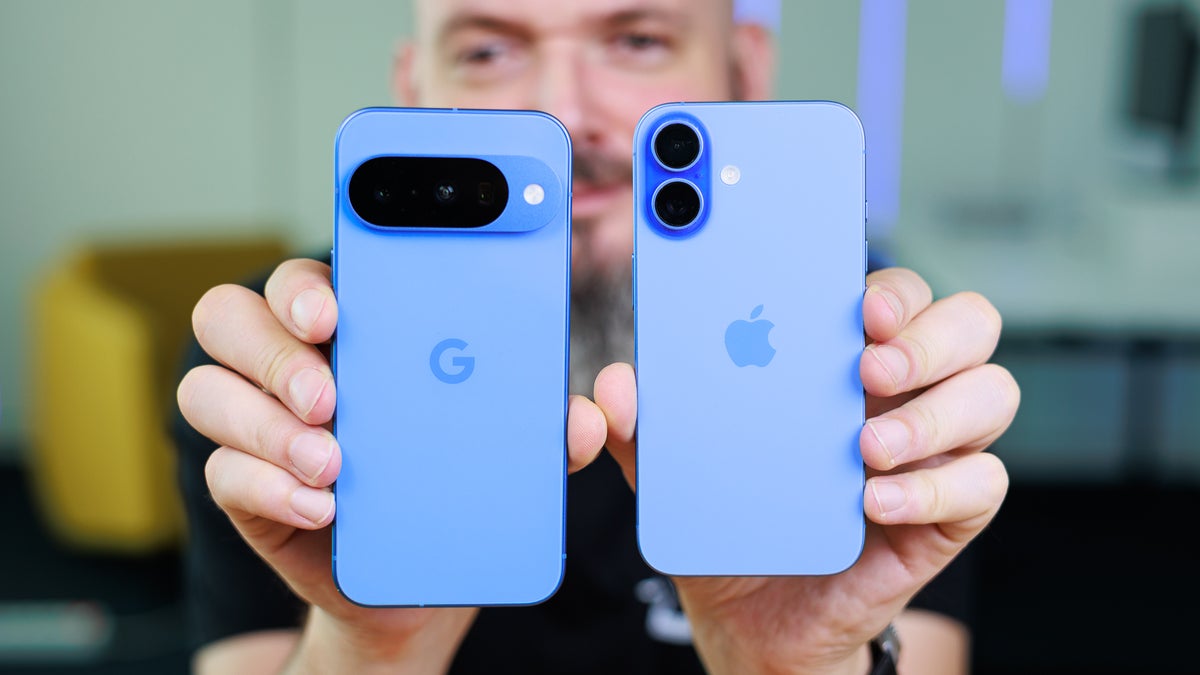
Google’s Pixel 10 is now official, and it’s ready to challenge Apple’s iPhone 16 head-on. These are the standard, base flagship models in their respective lineups, both targeting the $799 price range. This year, however, Google seems determined to go beyond just competing — it’s pushing into areas where Apple’s base iPhone still feels stuck.
While the iPhone 16 leans on raw power with the ultra-fast A18 Bionic, it still ships with a dated 60Hz display and only a dual-camera setup. Apple Intelligence is also just getting off the ground, leaving its AI story half-finished.
The Pixel 10, in contrast, debuts Google’s first fully custom Tensor G5 chip, a brighter 120Hz OLED screen, a new triple-camera system with a 5x telephoto, and Google’s most ambitious wave of AI features yet. It also packs a much larger battery and brings Qi2 magnetic charging with Google’s new Pixelsnap accessories.
The Pixel 10, in contrast, debuts Google’s first fully custom Tensor G5 chip, a brighter 120Hz OLED screen, a new triple-camera system with a 5x telephoto, and Google’s most ambitious wave of AI features yet. It also packs a much larger battery and brings Qi2 magnetic charging with Google’s new Pixelsnap accessories.
Pixel 10 vs iPhone 16 differences:
| Pixel 10 | iPhone 16 |
|---|---|
| Tensor G5 | A18 Bionic |
| 6.3” OLED, 120Hz, 3,000 nits peak | 6.1” OLED, 60Hz, 2,000 nits peak |
| Triple cameras with 5x telephoto | Dual cameras, no telephoto |
| Advanced AI features | Basic AI features |
| 4,970 mAh battery | 3,561 mAh battery |
| 30W wired charging 15W Qi2 magnetic wireless | 20W wired charging 25W MagSafe magnetic wireless |
Table of Contents:
Design and Size
The iPhone 16 is much more compact
Both phones are built to flagship standards, with aluminum frames, reinforced glass, and IP68 dust and water resistance. Apple uses its second-gen Ceramic Shield on the iPhone 16, while Google equips the Pixel 10 with Gorilla Glass Victus 2.
| Pixel 10 | iPhone 16 |
|---|---|
| Thickness 8.6 mm | Thickness 7.8 mm |
| Dimensions 152.8 x 72 | Dimensions 147.6 x 71.6 |
| Weight 204 grams | Weight 173 grams |
The Pixel 10 is the heavier, thicker device, a trade-off that makes room for its larger 4,970 mAh battery and built-in Qi2 magnets, which support Google’s new Pixelsnap ecosystem of accessories like magnetic chargers and ring stands.
Apple kept the iPhone 16 compact and introduced two new buttons: Capture Control, for adjusting zoom and exposure, and the Action button, carried over from the Pro models. Both expand physical interaction, though Capture Control’s placement may feel awkward in use.
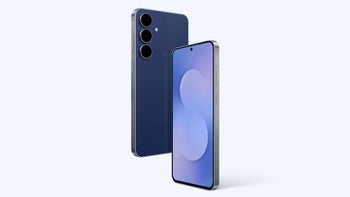
Pixel 10 colors include Obsidian, Indigo, Frost, and Lemongrass, while iPhone 16 colors consist of Pink, Teal, Ultramarine, White, and Black.
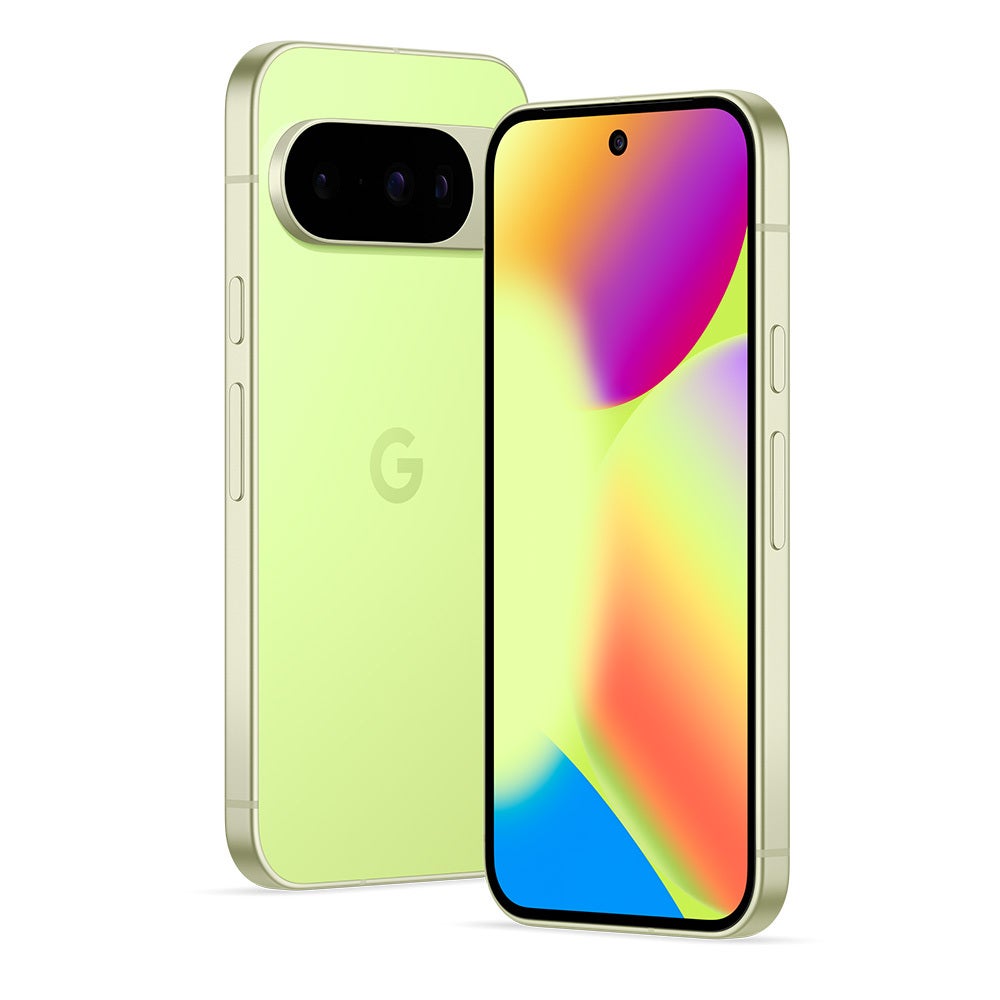
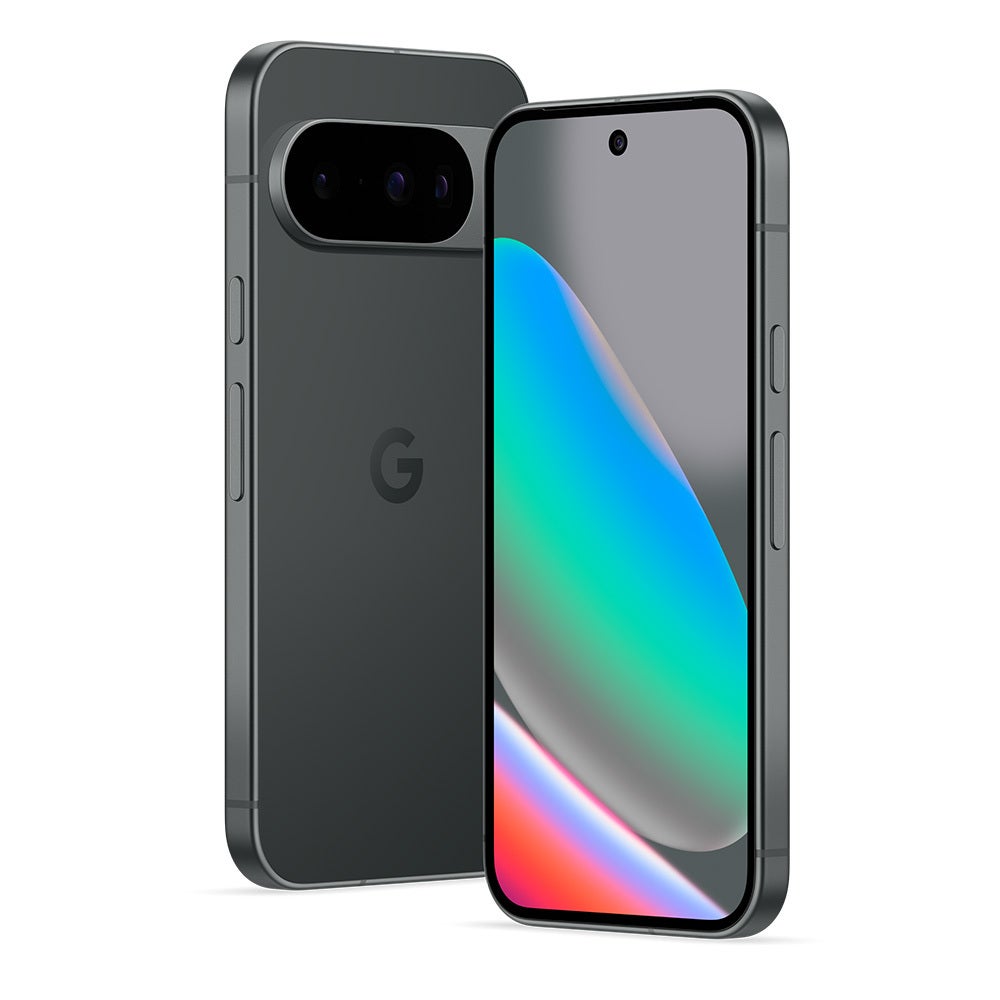
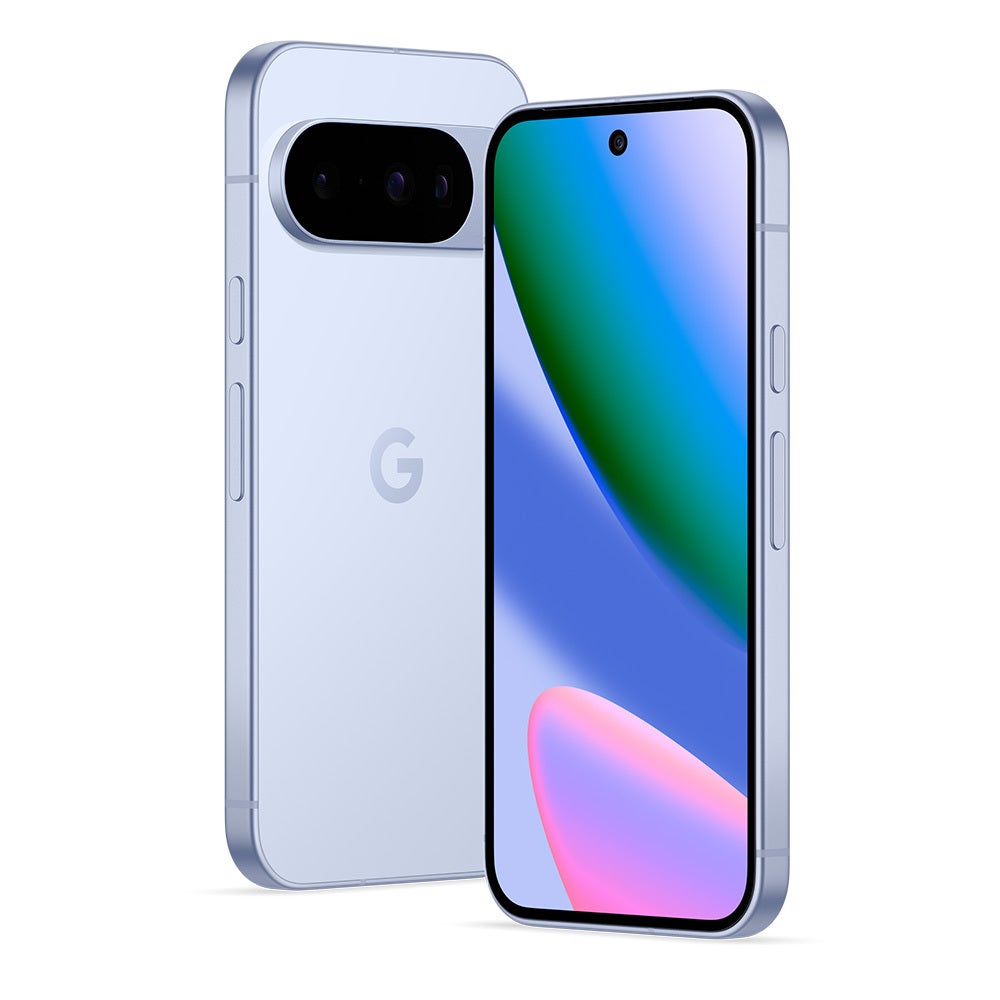
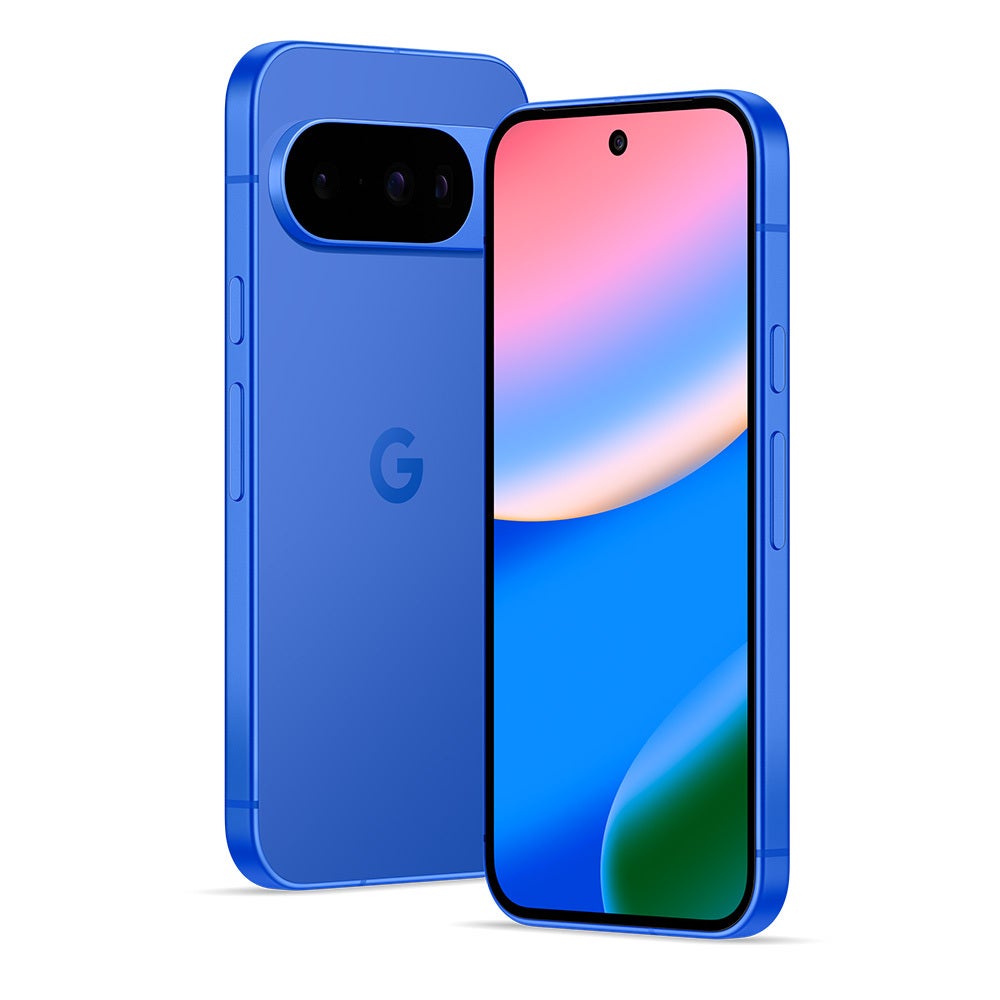
Pixel 10 colors include Obsidian, Indigo, Frost, and Lemongrass, while iPhone 16 colors consist of Pink, Teal, Ultramarine, White, and Black.
Display Differences
The Pixel 10 clearly outclasses the iPhone 16 here. Its 6.3-inch OLED runs at 120Hz and hits up to 3,000 nits peak brightness — one of the brightest displays in any phone. The iPhone 16 sticks with a 6.1-inch OLED at just 60Hz. In our tests, its brightness reached ~1,012 nits, well short of the Pixel.
| Pixel 10 | iPhone 16 |
|---|---|
| Size 6.3" | Size 6.2" |
| Brightness 3000 nits (peak) | Brightness 2000 nits (peak) |
Biometrics-wise, the Pixel 10 uses an ultrasonic fingerprint scanner and face unlock, while the iPhone 16 continues with Face ID, which remains the gold standard for security and reliability.
Performance and Software
The Pixel is probably less powerful, but it can do things the iPhone can't
The iPhone 16 runs on the A18 Bionic, built on TSMC’s N3E 3nm process. It delivers major CPU and GPU gains, cementing its place as the most powerful mobile chip available today. Games and pro-grade apps run effortlessly, and Apple’s thermal design helps sustain that performance over longer sessions.
The Pixel 10, meanwhile, debuts the Tensor G5 — Google’s first fully custom SoC, also fabbed on 3nm. Rather than chasing Apple’s benchmark crown, it’s tuned for AI-first performance. Google claims a 34% CPU boost, 60% faster TPU acceleration, and 2.6× faster Gemini Nano execution compared to Tensor G4. A new ISP also enables better low-light video and default 10-bit HDR capture.
| Pixel 10 | iPhone 16 |
|---|---|
| Chip Google Tensor G5 | Chip Qualcomm Snapdragon 8 Elite |
| Process 3nm | Process 3nm |
| RAM, Storage 12/128GB 12/256GB LPDDR5X RAM Zoned UFS | RAM, Storage 8/128GB 8/256GB LPDDR5X RAM NVMe |
AI is where the Pixel separates itself. Features include:
- Magic Cue: proactive suggestions (e.g., surfacing your flight info when calling the airline).
- Gemini Live: visual AI that overlays help on your screen or camera view.
- Take a Message: transcribes declined/missed calls and offers suggested actions.
- Pixel Journal and NotebookLM integration for smarter productivity
Apple Intelligence is still rolling out. Some features (like improving text or image generation) are available in iOS 18.1, but Siri’s long-promised upgrade has been delayed into 2026 (some reports even claim 2027).
Camera
The base iPhone could use a telephoto camera
For years, both Apple and Google kept their base models limited in camera options. Apple stuck with a dual setup, and Google’s standard Pixels weren’t much more versatile.
That changes in 2025. The Pixel 10 finally adds a telephoto lens, giving it a full triple-camera system at the entry flagship level. The iPhone 16, on the other hand, relies on just a wide and ultra-wide camera, focusing instead on features like Spatial Video for use with the company's Vision Pro mixed-reality headset.
That changes in 2025. The Pixel 10 finally adds a telephoto lens, giving it a full triple-camera system at the entry flagship level. The iPhone 16, on the other hand, relies on just a wide and ultra-wide camera, focusing instead on features like Spatial Video for use with the company's Vision Pro mixed-reality headset.
| Pixel 10 | iPhone 16 |
|---|---|
| Main 48 MP, f/1.7 1/2" sensor size | Main 48 MP, f/1.6 1/1.56" sensor size |
| Ultrawide 13 MP, f/2.2 1/3.1" sensor size | Ultrawide 12 MP, f/2.2 Unknown sensor size |
| Telephoto 10.08 MP, f/3.1 5X zoom 1/3.2" sensor size | Telephoto None |
Apple added Spatial Video support for Vision Pro, but the iPhone 16 still doesn't come with a telephoto versatility. There's the iPhone 16’s Capture Control button helps switch zoom/exposure modes quickly, but as we said earlier — it's not exactly comfortable.
Google layers in AI:
Apple still excels in video stabilization and color accuracy, but Google’s 5x zoom lens and AI-driven editing give the Pixel 10 a big leap in versatility.
- Camera Coach: real-time tips for better framing, lighting, and angles.
- Auto Best Take: analyzes up to 150 frames for the best group shot.
- C2PA Content Credentials: embedded photo authenticity.
Apple still excels in video stabilization and color accuracy, but Google’s 5x zoom lens and AI-driven editing give the Pixel 10 a big leap in versatility.
Battery Life and Charging
Apple's MagSafe system is no longer one of a kind
The Pixel 10 has a huge battery capacity of 4,970 mAh vs the iPhone 16’s 3,561 mAh. Google claims 30+ hours on a single charge, and I have a feeling it would outlast the iPhone by a wide margin.
| Pixel 10 | iPhone 16 |
|---|---|
| Battery size 4,970 mAh | Battery size 3,561 mAh |
Charging speeds 30W wired 15W wireless charging USB-C 3.2 | Charging speeds 25W wired 15W wireless charging USB-C 2.0 |
The Pixel 10 is the first major Android phone to support Qi2 magnetic wireless charging with Pixelsnap accessories, offering MagSafe-like convenience on Android. Apple’s MagSafe remains excellent at 25W, but the Pixel now finally matches that feature.
Specs Comparison
Here's a quick overview of the Pixel 10 vs iPhone 16 specs:
| Pixel 10 | iPhone 16 |
|---|---|
| Size, weight 152.8 x 72 x 8.6 mm, 204 g | Size, weight 147.6 x 71.6 x 7.8 mm, 173 g |
| Screen 6.3" OLED 120Hz | Screen 6.1" OLED 120Hz |
| Processor Tensor G5 3nm | Processor A17 Bionic 3nm |
| Versions: 12/128GB 12/256GB --- | Versions: 12/128GB 12/256GB 12/512GB |
| Cameras: 48 MP main 13 MP ultra 10.8 MP 5X zoom 10.5 MP front | Cameras: 48 MP main 12 MP ultra --- 24 MP front |
| Battery: 4,970 mAh | Battery: 3,561 mAh |
| Charging: USB-C 30W wired 15W Qi2 magnetic wireless | Charging: USB-C 25W wired 25W MagSafe magnetic wireless |
Summary
The iPhone 16 is a performance powerhouse with its A18 Bionic chip and outstanding video quality, but it also feels conservative. A 60Hz screen, dual cameras, and a modest battery were weak points in 2024 — and they stand out even more in 2025.
The Pixel 10, by contrast, takes a more ambitious approach. It brings a larger battery, a 120Hz OLED display, a triple-camera setup with 5x zoom, and AI features like Magic Cue and Camera Coach. Add Qi2 magnetic charging with the new Pixelsnap accessory ecosystem, and it finally rivals Apple’s MagSafe experience.
With both priced at $799, the phone that offers more for your money seems clear: the Pixel 10 looks like the smarter choice. That said, we’ll have a better picture once our full tests and camera samples are in — so stay tuned for the final verdict.
The Pixel 10, by contrast, takes a more ambitious approach. It brings a larger battery, a 120Hz OLED display, a triple-camera setup with 5x zoom, and AI features like Magic Cue and Camera Coach. Add Qi2 magnetic charging with the new Pixelsnap accessory ecosystem, and it finally rivals Apple’s MagSafe experience.
With both priced at $799, the phone that offers more for your money seems clear: the Pixel 10 looks like the smarter choice. That said, we’ll have a better picture once our full tests and camera samples are in — so stay tuned for the final verdict.

Follow us on Google News




 FCC OKs Cingular\'s purchase of AT&T Wireless
Things that are NOT allowed:
To help keep our community safe and free from spam, we apply temporary limits to newly created accounts: