Pixel 10 vs Pixel 10 Pro: These are the differences
We may earn a commission if you make a purchase from the links on this page.
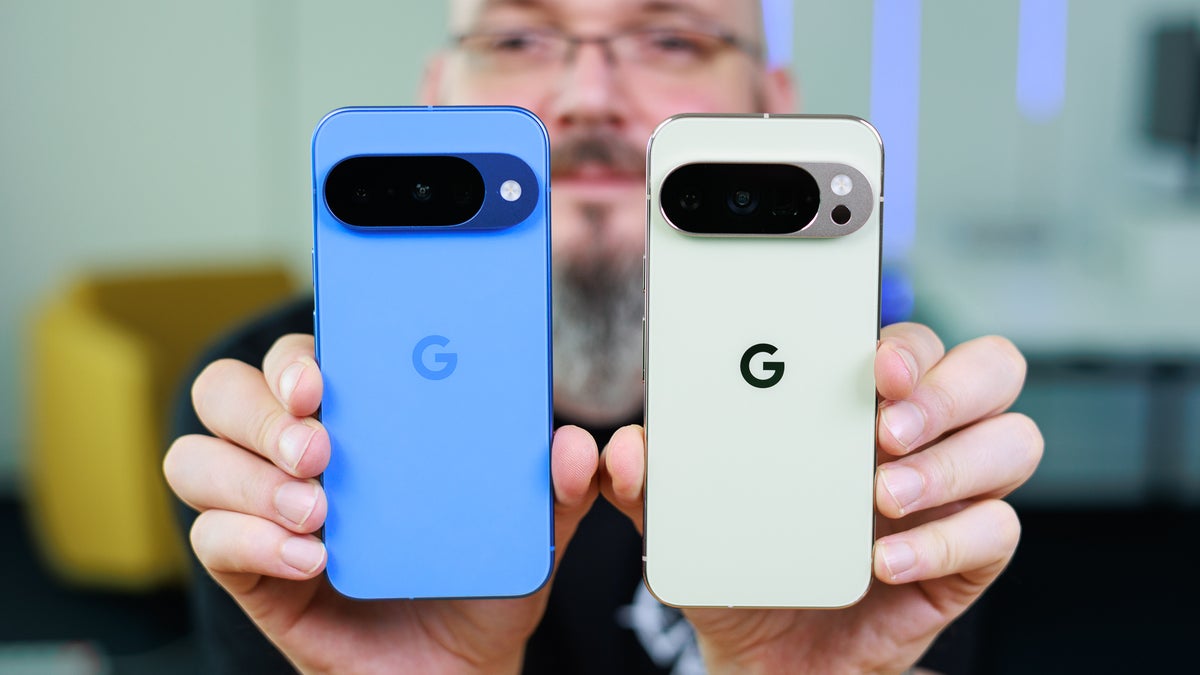
Google’s Pixel 10 lineup has just landed, and this year feels like a turning point. It’s the tenth anniversary of the Pixel brand, and instead of saving all the best stuff for the Pros, Google is giving the base Pixel 10 some serious upgrades — including a telephoto camera for the first time.
That move alone makes the Pixel 10 vs Pixel 10 Pro comparison much more interesting. Both phones share the brand-new Tensor G5 chip, 3000-nit+ OLED displays, and built-in Qi2 magnetic charging for the brand new Pixelsnap accessory support. But the Pro line still pushes ahead with more RAM, sharper cameras and premium touches aimed at power users.
So, is the Pro’s higher $999 price justified, or is the $799 Pixel 10 the smarter buy for most people? Let’s take a closer look.
That move alone makes the Pixel 10 vs Pixel 10 Pro comparison much more interesting. Both phones share the brand-new Tensor G5 chip, 3000-nit+ OLED displays, and built-in Qi2 magnetic charging for the brand new Pixelsnap accessory support. But the Pro line still pushes ahead with more RAM, sharper cameras and premium touches aimed at power users.
Pixel 10 vs Pixel 10 Pro differences:
| Pixel 10 | Pixel 10 Pro |
|---|---|
| 6.3" Actua OLED 1080×2424 60–120Hz 3000‑nit peak | 6.3" Super Actua LTPO OLED 1280×2856 1–120Hz 3300‑nit peak |
| Triple camera: 48 MP wide 13 MP ultra‑wide 10.8 MP 5× telephoto Super Res Zoom 20× | Pro triple camera: 50 MP wide 48 MP ultra‑wide (AF) 48 MP 5× telephoto Pro Res Zoom 100× High‑Res Portraits |
| 10.5 MP AF selfie (95°) | 42 MP AF selfie (103°) |
| 12 GB RAM 128/256 GB | 16 GB RAM 128/256/512 GB/1 TB |
| 4,970 mAh battery 30W wired charging 15W wireless charging Qi2 magnetic support | 4,870 mAh battery 30W wired charging 15W wireless charging Qi2 magnetic support |
| Colors: Indigo, Frost, Lemongrass, Obsidian | Colors: Moonstone, Jade, Porcelain, Obsidian |
| $799 | $999 |
Table of Contents:
Design and Size
Familiar bar; thicker frame; Pixelsnap magnets built in
At first glance, the Pixel 10 and Pixel 10 Pro look familiar, keeping Google’s signature horizontal camera bar and rounded corners.
Look closer, though, and the details have changed. Both phones are slightly thicker and heavier than last year’s models, making room for larger batteries and the new Qi2 magnetic wireless charging system. The Pixel 10 weighs 204 g, while the Pro tips the scale at 207 g.
Look closer, though, and the details have changed. Both phones are slightly thicker and heavier than last year’s models, making room for larger batteries and the new Qi2 magnetic wireless charging system. The Pixel 10 weighs 204 g, while the Pro tips the scale at 207 g.
| Pixel 10 | Pixel 10 Pro |
|---|---|
| Thickness 8.6 mm | Thickness 8.6 mm |
| Dimensions 152.8 × 72 mm | Dimensions 152.8 × 72 mm |
| Weight 204 g | Weight 207 g |
As far as durability goes, you get Gorilla Glass Victus 2 and a reinforced aluminum frame, as well as IP68 dust and water resistance (aka same as last year).

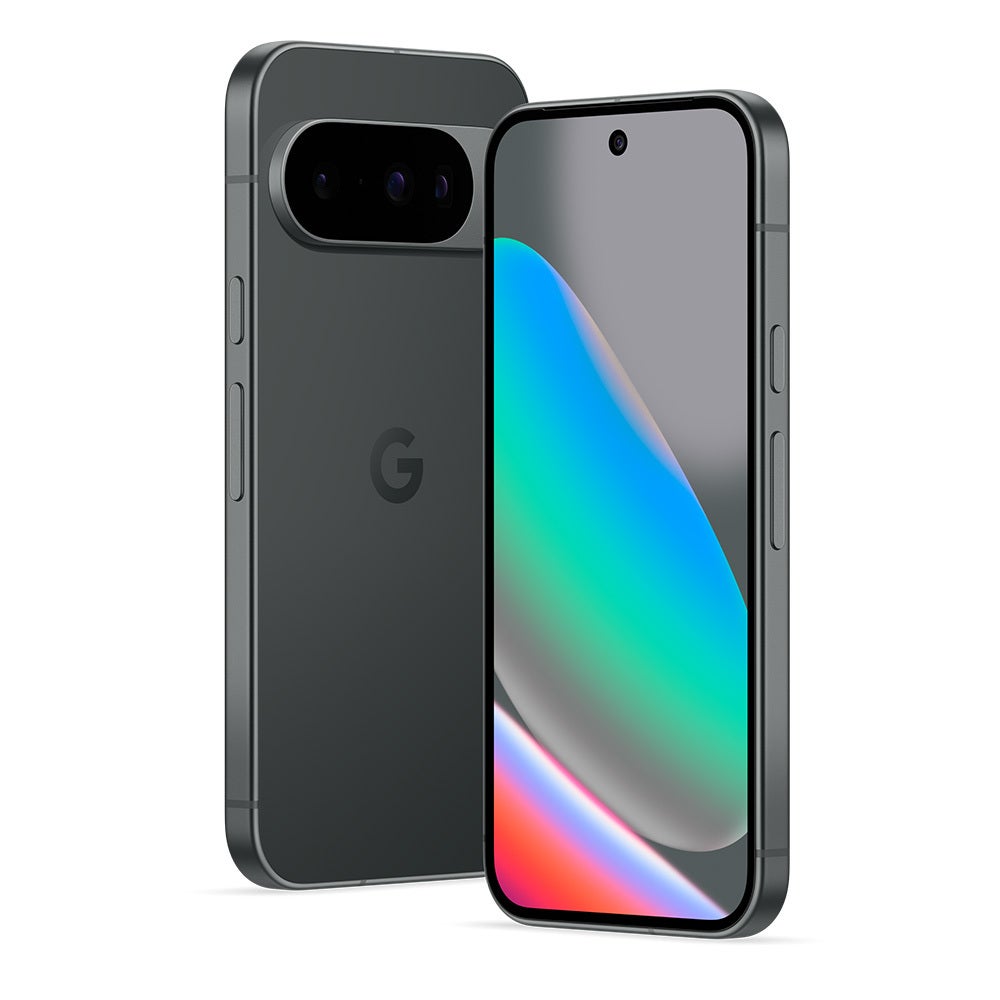


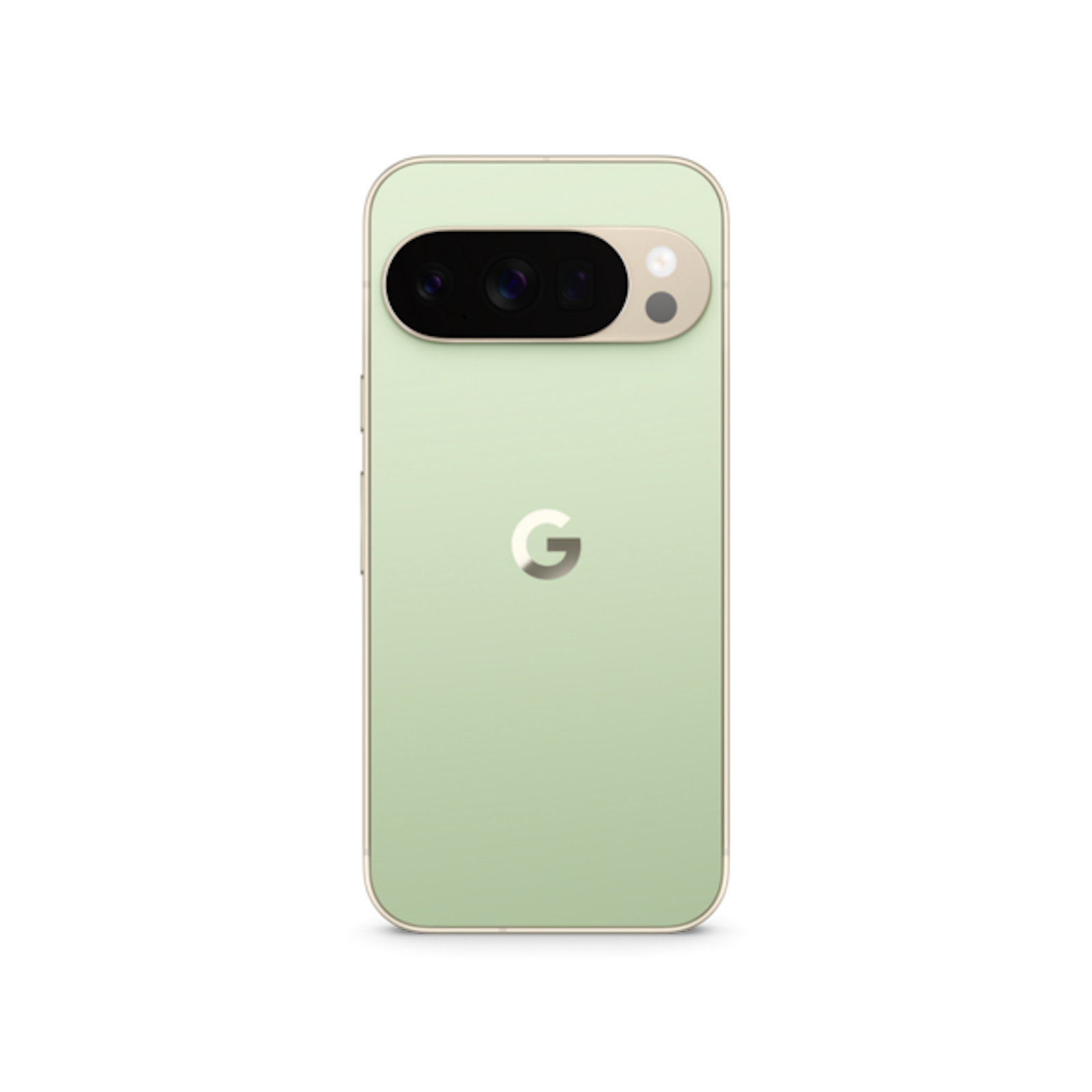
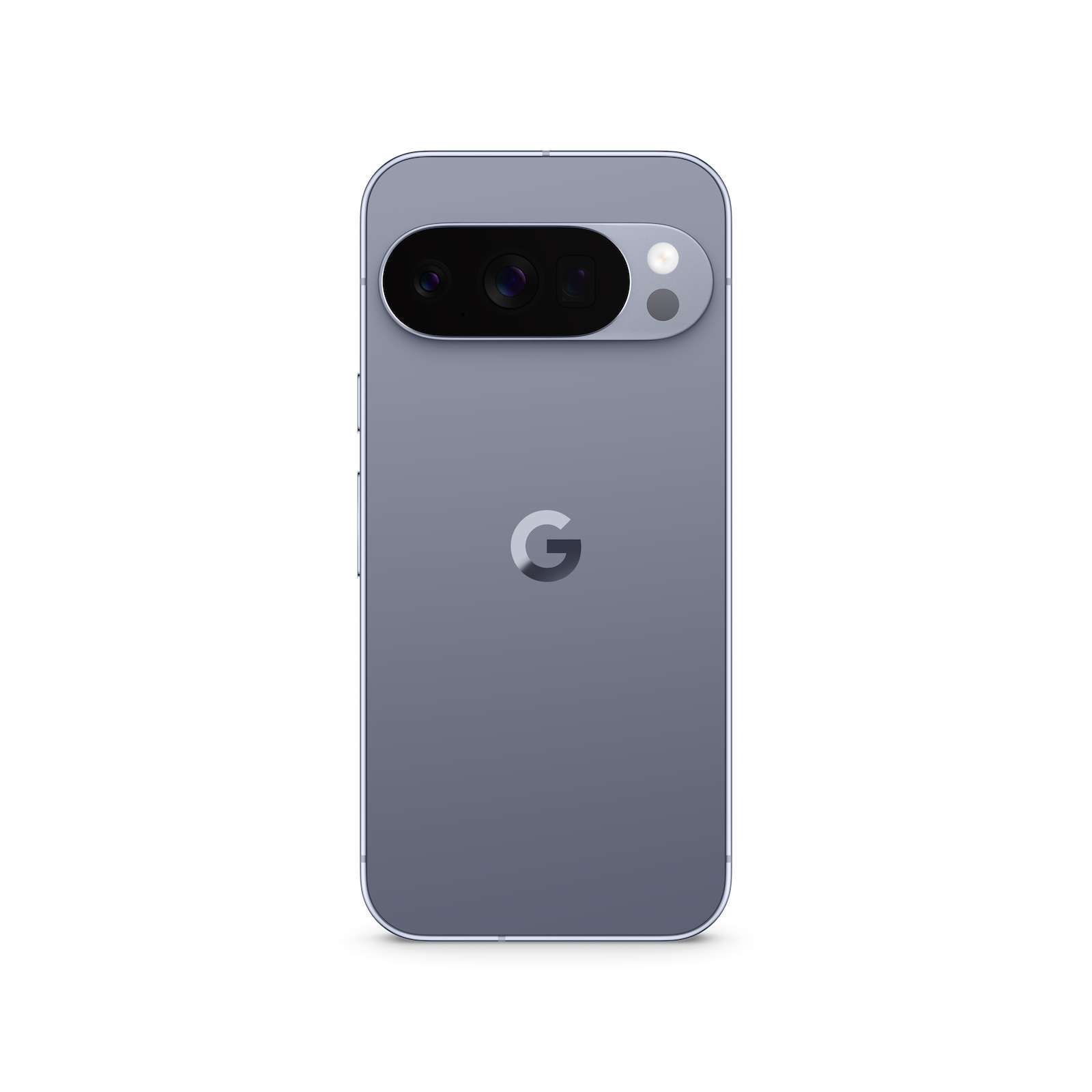
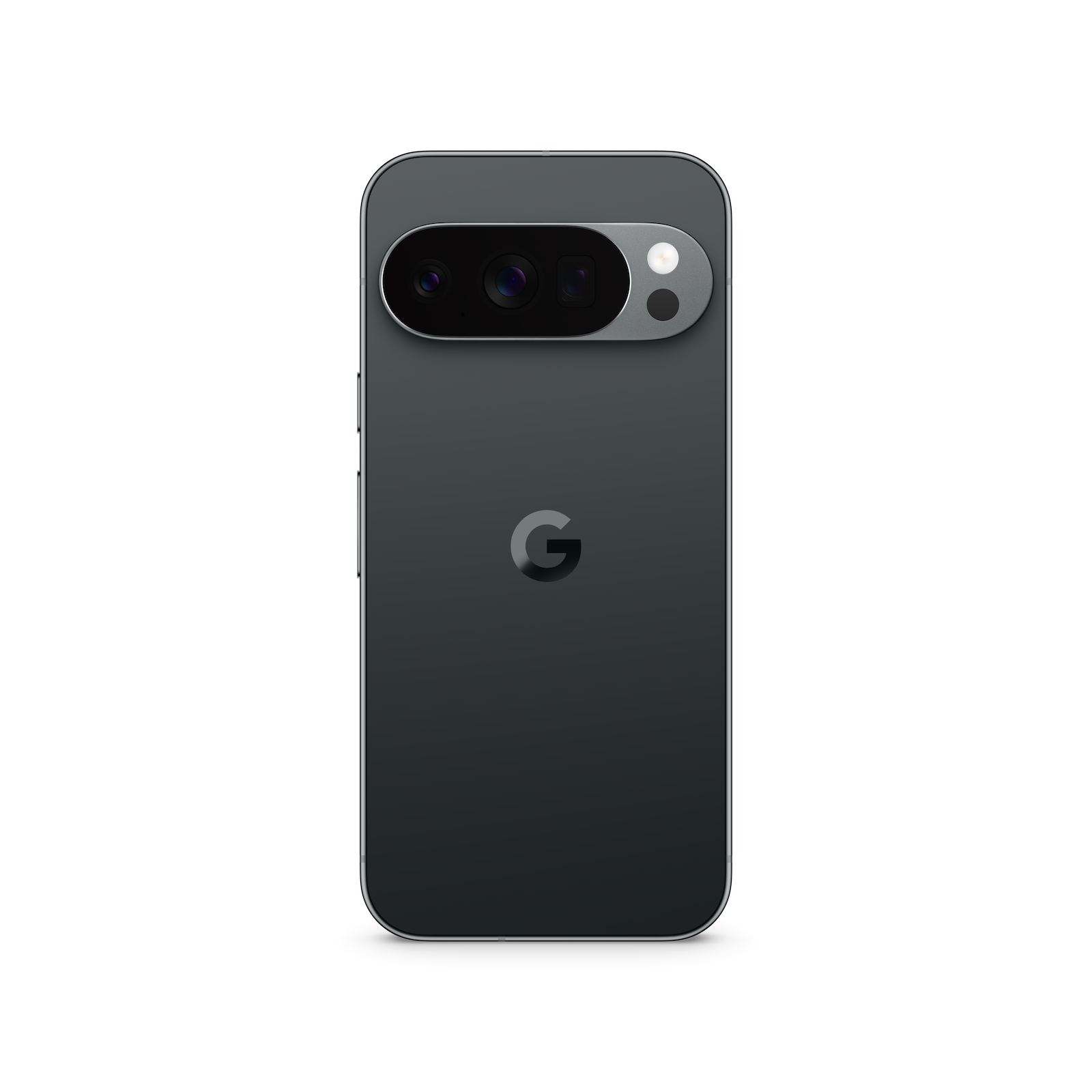
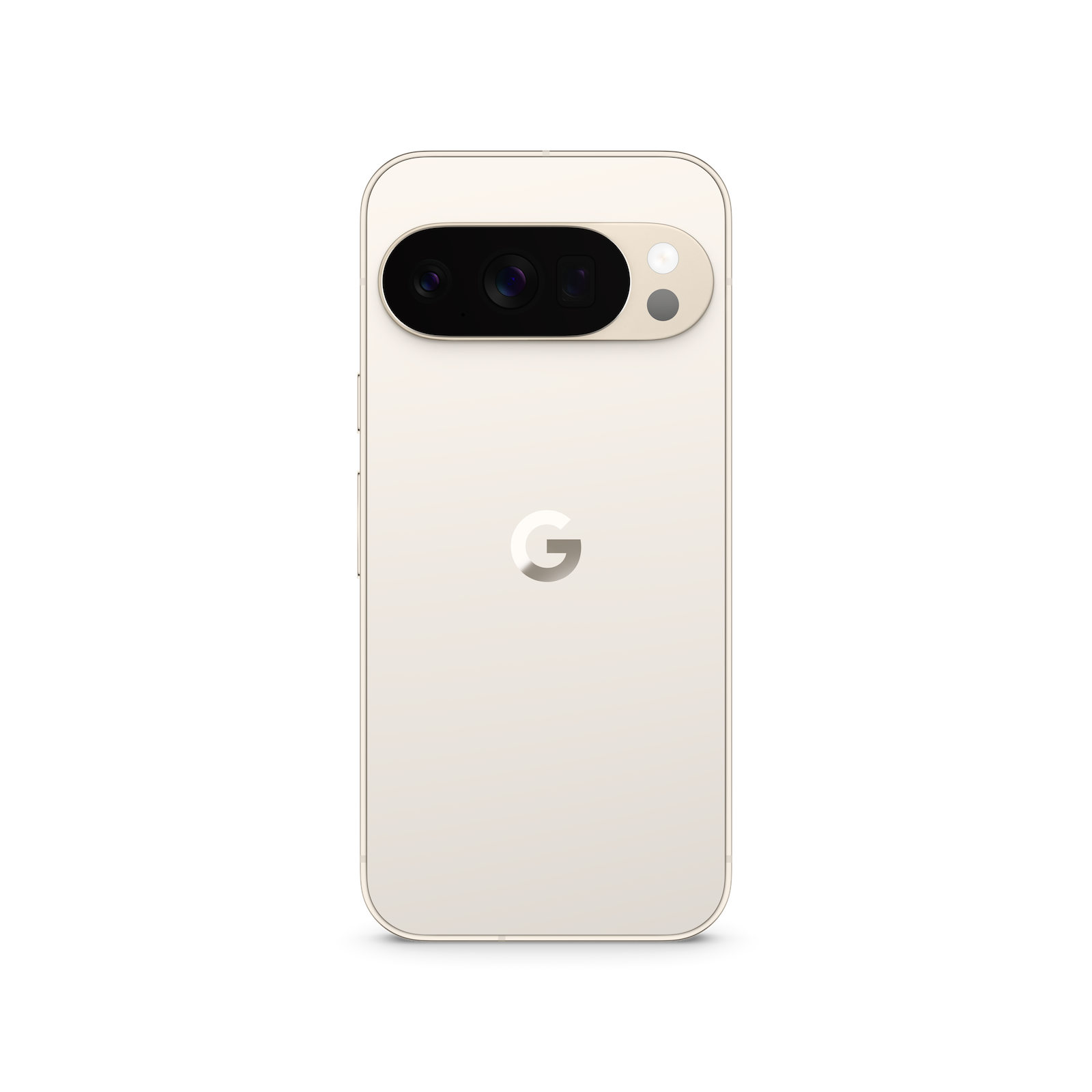
The Pixel 10 and Pixel 10 Pro colors are different, of course. The Pixel 10 comes in brighter, more playful finishes: Indigo, Frost, Lemongrass, Obsidian. The Pro sticks to the classic subdued palette: Moonstone, Jade, Porcelain, Obsidian. In the box, you get the phone, a USB-C cable, and paperwork, but no charger.
Display Differences
Both models feature 6.3-inch OLED displays with smooth 120Hz refresh rates, but there are key differences. The Pixel 10 uses an FHD+ panel with 3,000 nits peak brightness, while the Pixel 10 Pro upgrades to a sharper QHD+ resolution and an even brighter 3,300 nits. In practice, both should remain perfectly visible even under harsh sunlight.
Refresh rate behavior also sets them apart. The Pixel 10 bottoms out at 60Hz, while the Pixel 10 Pro can drop all the way to 1Hz, giving the Pro an edge in battery efficiency.
Design-wise, bezels are slim on both, with the Pro’s being slightly thinner. Google has also moved both models to ultrasonic fingerprint sensors, promising faster and more reliable unlocking compared to the older optical tech. Face Unlock is still available as well, though it remains less secure than the fingerprint reader.
Design-wise, bezels are slim on both, with the Pro’s being slightly thinner. Google has also moved both models to ultrasonic fingerprint sensors, promising faster and more reliable unlocking compared to the older optical tech. Face Unlock is still available as well, though it remains less secure than the fingerprint reader.
| Pixel 10 | Pixel 10 Pro |
|---|---|
| Size 6.3" | Size 6.3" |
| Brightness 3000 nits (peak) | Brightness 3300 nits (peak) |
Performance and Software
Tensor finally grows up
This year marks a major shift for Google silicon. Both phones run on the new Tensor G5 — Google’s first fully custom processor, built by TSMC on a 3nm process. That alone should bring noticeable improvements in efficiency and thermal management compared to the Samsung-made chips of previous generations.
But the upgrades go beyond raw CPU power. The new GPU from Imagination Technologies delivers smoother gaming and stronger graphics performance, while support for faster LPDDR5X RAM and UFS 4.0 storage (on the Pro) makes these the most capable Pixels to date.
But the upgrades go beyond raw CPU power. The new GPU from Imagination Technologies delivers smoother gaming and stronger graphics performance, while support for faster LPDDR5X RAM and UFS 4.0 storage (on the Pro) makes these the most capable Pixels to date.
| Pixel 10 | Pixel 10 Pro |
|---|---|
| Chip Google Tensor G5 | Chip Google Tensor G5 |
| Process 3nm | Process 3nm |
| RAM, Storage 12/128 GB 12/256 GB --- --- LPDDR5X RAM Zone UFS | RAM, Storage 16/128 GB 16/256 GB 16/512 GB 16/1 TB LPDDR5X RAM Zone UFS |
On the software side, both launch with Android 16 and the new Pixel Sense assistant — a major evolution of Google Assistant designed for context-aware, on-device intelligence. Standout features like Magic Cue (live meeting notes), Camera Coach (real-time shooting tips), and Auto Best Take highlight what the Tensor G5 can do. And as always, Google promises 7 years of OS, security, and Pixel Drop updates.
Camera
The Pixel 10 finally goes triple-camera
For the first time, the base Pixel 10 isn’t stuck with just two cameras — it’s getting a telephoto lens of its own. That makes this year’s lineup much more competitive. Still, Google reserves its best sensors for the Pro.
The Pixel 10 uses a smaller 50 MP Samsung GN8 main sensor, a 13 MP ultrawide, and an 11 MP telephoto. The Pixel 10 Pro, by contrast, gets the larger 50 MP GN2 main sensor, a high-end 48 MP ultrawide, and a 48 MP 5x periscope telephoto. The Pro can also zoom in up to 100x, with special new algorithms to keep the image clear — the base model only goes up to 20x.
The Pixel 10 uses a smaller 50 MP Samsung GN8 main sensor, a 13 MP ultrawide, and an 11 MP telephoto. The Pixel 10 Pro, by contrast, gets the larger 50 MP GN2 main sensor, a high-end 48 MP ultrawide, and a 48 MP 5x periscope telephoto. The Pro can also zoom in up to 100x, with special new algorithms to keep the image clear — the base model only goes up to 20x.
| Pixel 10 | Pixel 10 Pro |
|---|---|
| Main 48 MP Quad PD f/1.7 82° FoV 1/2" sensor | Main 50 MP Octa PD f/1.68 82° FoV 1/1.3" sensor |
| Ultrawide 13 MP Quad PD f/2.2 120° FoV 1/3.1" sensor | Ultrawide 48 MP Quad PD with AF f/1.7 123° FoV 1/2.55" sensor |
| Telephoto 10.8 MP Dual PD f/3.1 23° FoV 5× optical zoom 1/3.2" sensor | Telephoto 48 MP Quad PD f/2.8 22° FoV 5× optical zoom 1/2.55" sensor |
The front cameras also differ. The Pixel 10 has a standard 10.5 MP selfie shooter, while the Pro leaps to a new 42 MP autofocus selfie camera that should dramatically improve sharpness and flexibility for video calls and social content.
On the video side, both phones support 4K, but the Pro adds extras like ProRes Zoom and dual-recording options. That, plus Google’s new AI-powered Camera Coach, could make it a better pick for creators.
Battery Life and Charging
Bigger batteries, faster wireless
Both phones see slight bumps in battery size this year. The Pixel 10 packs a 4,970 mAh cell, while the Pixel 10 Pro has a 4,870 mAh unit. Not huge differences, but paired with the more efficient Tensor G5, they should deliver better endurance than before.
| Pixel 10 | Pixel 10 Pro |
|---|---|
| Battery size 4,970 mAh | Battery size 4,870 mAh |
Charging speeds 30W wired 15W wireless charging USB-C 3.2 | Charging speeds 30W wired 15W wireless charging USB-C 3.2 |
Charging gets a bigger upgrade. Both support 29W wired charging and 15W wireless charging via the new Qi2 standard — complete with magnetic alignment thanks to Pixelsnap. That means wireless charging with cases, stands, and chargers that snap into place just like Apple’s MagSafe ecosystem.
Specs Comparison
Here's a quick overview of the Pixel 10 vs Pixel 10 Pro specs:
| Pixel 10 | Pixel 10 Pro |
|---|---|
| Size, weight 152.8 x 72 x 8.6 mm, 204 g | Size, weight 162.5 x 76.7 x 8.9 mm, 220 g |
| Screen 6.3" OLED 120Hz | Screen 6.7" OLED 120Hz |
| Processor Tensor G5 3nm | Processor Tensor G5 3nm |
| Versions: 12/128 GB 12/256 GB --- --- LPDDRX5 | Versions: 16/128 GB 16/256 GB 16/512 GB 16/1 TB LPDDRX5 |
| Cameras: 48 MP main 13 MP ultra 10.8 MP 5X zoom 10.05 MP front | Cameras: 50 MP main 48 MP ultra 48 MP 5X zoom 42 MP front |
| Battery: 4970 mAh | Battery: 4870 mAh |
| Charging: USB-C 30W wired 15W wireless | Charging: USB-C 30W wired 15W wireless |
Summary
The Pixel 10 vs Pixel 10 Pro matchup is closer than ever this year. With a telephoto camera, 3,000-nit display, and magnetic wireless charging, the base Pixel 10 no longer feels like the “budget compromise.” At $799, it delivers most of the flagship Pixel experience at a more approachable price.
The Pixel 10 Pro still has the edge if you care about camera quality, RAM, and storage flexibility. Its larger sensors, sharper QHD+ display, and 42 MP selfie camera make it the more complete package — though it’ll cost you $200 more.
For most users, the Pixel 10 will likely hit the sweet spot. But if you’re a creator, heavy multitasker, or someone who simply wants Google’s very best, the Pixel 10 Pro is the one to get.
Stay tuned — we’ll be putting both anniversary Pixels through their paces soon, with in-depth results on cameras, battery life, performance, and displays.
The Pixel 10 Pro still has the edge if you care about camera quality, RAM, and storage flexibility. Its larger sensors, sharper QHD+ display, and 42 MP selfie camera make it the more complete package — though it’ll cost you $200 more.
For most users, the Pixel 10 will likely hit the sweet spot. But if you’re a creator, heavy multitasker, or someone who simply wants Google’s very best, the Pixel 10 Pro is the one to get.
Stay tuned — we’ll be putting both anniversary Pixels through their paces soon, with in-depth results on cameras, battery life, performance, and displays.

Follow us on Google News








 FCC OKs Cingular\'s purchase of AT&T Wireless
Things that are NOT allowed:
To help keep our community safe and free from spam, we apply temporary limits to newly created accounts: