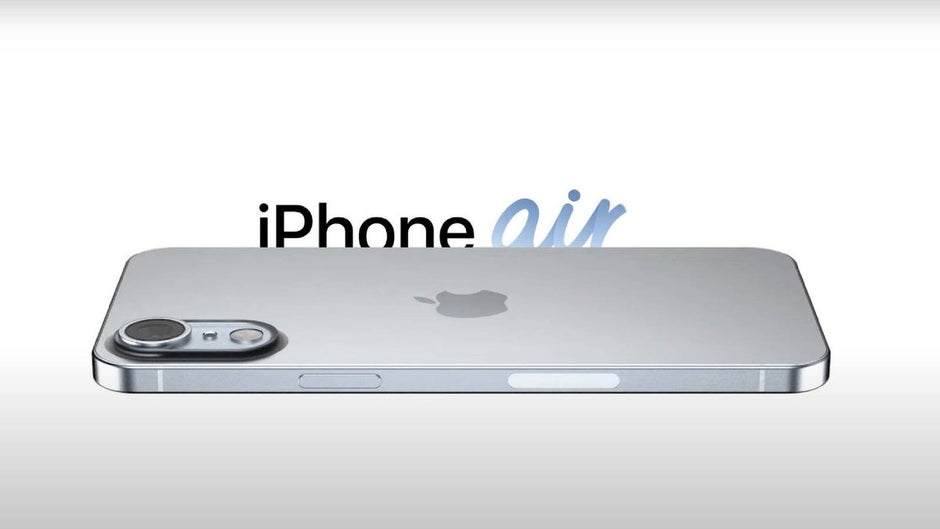
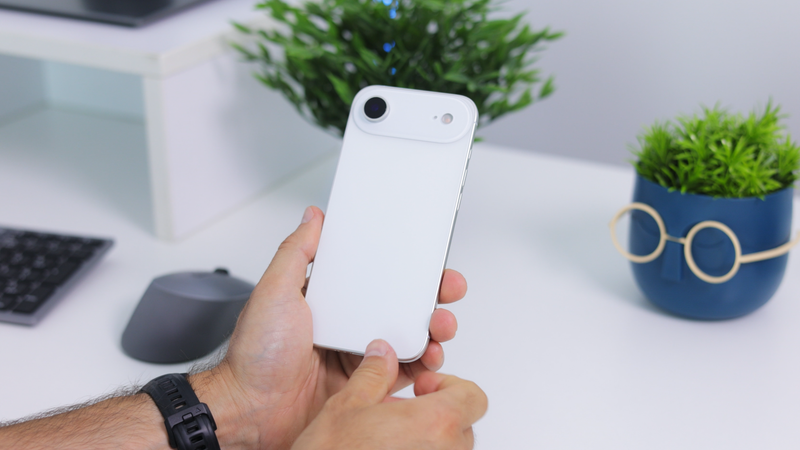
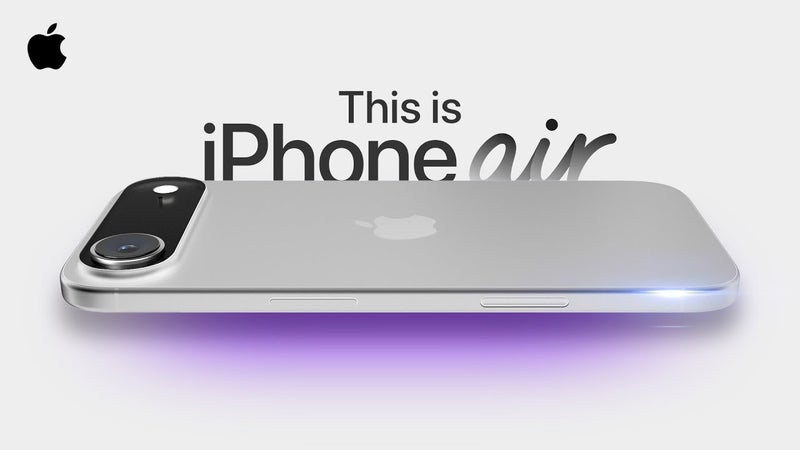
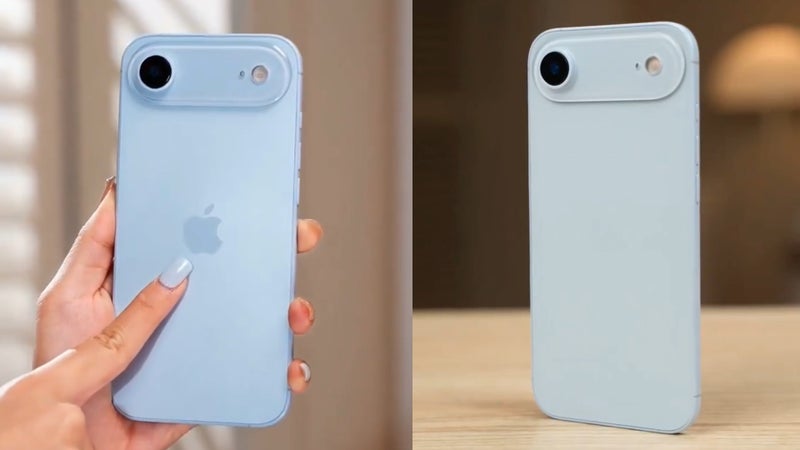
iPhone 17 Air dummy unit. | Image credit – PhoneArena
What we know so far
Apple is already gearing up for the iPhone 17 series and this year a new model is joining the lineup: the iPhone 17 Air.
What sets the Air apart from the iPhone 17, iPhone 17 Pro and iPhone 17 Pro Max is how incredibly thin it is expected to be. Rumors suggest it will measure just 5.4mm while staying lightweight, making it the slimmest iPhone yet.
It is expected to replace the iPhone 16 Plus, but it should still offer a 6.6-inch display for fans of larger screens. Apple might also finally add a high refresh rate to a non-Pro iPhone, which would be a welcome upgrade.
However, there are trade-offs that come with that slim design: the Air might only include a 2,800mAh battery, which isn’t exactly all-day strong, and it could come with just a single rear camera, a step down compared to current competitors.
Last year, there was chatter that the Air might actually end up being the most expensive iPhone 17 model, possibly hitting $1,299 if the Pro Max holds steady at $1,199. That scenario seems less likely now, but it hasn’t been totally ruled out either.
iPhone 17 Air deals to expect:
Apple: Apple is not about to ditch its iPhone Upgrade Program anytime soon. That is the setup where you trade in your current phone, make 12 monthly payments and roll into a new iPhone every year – AppleCare+ included. Right now, it kicks off at $39.50 a month for the base 128 GB model, $44.91 for the Plus and so on. If the iPhone 17 Air joins the lineup, we are probably looking at something in the ballpark of $45 a month. Signing up is dead simple, too – you can do it online, in the Apple Store app or just walk into an Apple Store. For anyone who always wants the latest iPhone in their pocket, it's easily the most convenient way to keep upgrading.
Verizon: Unless there’s a significant shift, the iPhone 17 Air might be offered with a great discount of up to $800. While the standard iPhone 17 is expected to be available for free with certain Unlimited plans and a trade-in of any phone, the iPhone Plus used to come with up to $800 in trade-in credits, likely targeting older models such as the iPhone 13 or 14 series. That's only $99 from the user, which doesn't sound bad.
T-Mobile: Customers could potentially enjoy discounts ranging from $600 to $700 on any iPhone 17 model when opting for the Magenta MAX plan, assuming it remains available in 2025. I expect this to be valid for the new slim model as well. Additionally, if T-Mobile's promotional strategy stays consistent, a buy-one-get-one offer might provide up to $700 off a second iPhone 17 when adding a line to most T-Mobile plans.
AT&T: AT&T is expected to roll out compelling offers for the iPhone 17 lineup. The standard iPhone 17 might be available at no cost upfront when bundled with an eligible plan and a trade-in, regardless of the phone's condition. So this should also be the case for the Air model, or a discount of up to $800 may be offered with a qualifying plan and the trade-in of a relatively recent iPhone model.
iPhone 17 Air camera
The new iPhone 17 Air is rumored to feature just one camera on the back, similar to Apple’s budget-friendly iPhone 16e.
Here is what to expect from the iPhone 17 Air cameras:
48 MP main rear camera
24 MP front-facing camera
The single rear camera will likely use the same 48 MP Wide sensor found in the iPhone 16 models. Plus, all 2025 iPhones are expected to upgrade their front cameras to 24 megapixels – double the 12 MP in the iPhone 16 lineup and previous models – offering better image quality and more room for cropping without losing detail.
A mirrored selfie camera?
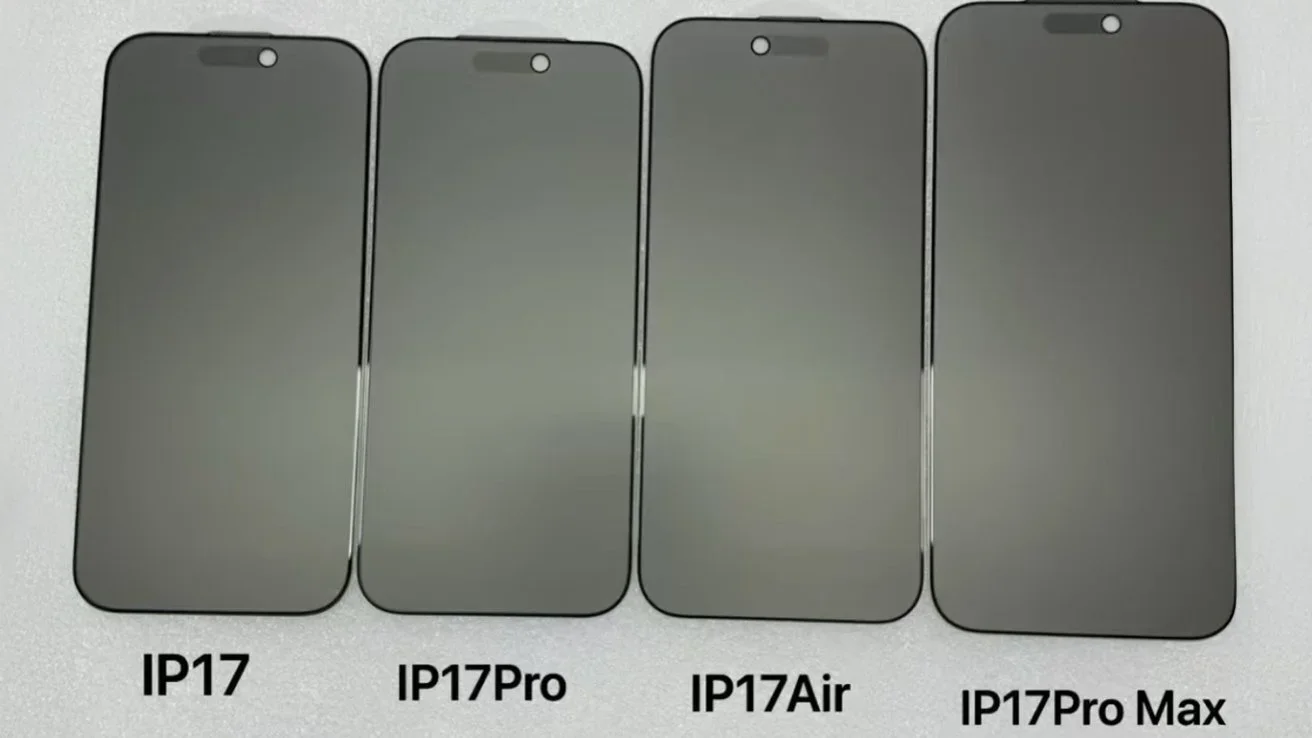
Alleged screen protectors for the iPhone 17 series. | Image Credit - Majin Bu
A new leak suggests the iPhone 17 Air will feature a unique front camera layout, placing the selfie camera on the left side of the Dynamic Island, unlike the other iPhone 17 models, which keep it on the right.
This shift is likely not about new user experience but rather to accommodate internal changes needed for the Air's thinner design. While it may not change how the camera functions, it marks a small but distinct visual difference in the lineup.
And variable aperture?
The iPhone 17 Air might introduce a variable aperture on its rear camera, though that is still up in the air. Most smartphone cameras stick with a fixed aperture, which doesn't give much flexibility when it comes to handling different lighting.
That is where a variable aperture comes in – it can adjust the lens opening depending on the scene, helping avoid blown-out highlights or super dark shadows.
iPhone 17 Air storage
The iPhone 17 Air is expected to offer the same storage tiers as the rest of the lineup – at least mostly.
Expected storage options for the iPhone 17 Air:
128 GB*
256 GB
512 GB
Now, if the Air ends up priced below the base Pro model, we’ll probably see that 128 GB option stick around. But if it is more expensive, that base tier could (and should) disappear.
As for a 1 TB version? Don’t count on it – this thinner form factor might top out at 512 GB, which feels like a good balance anyway.
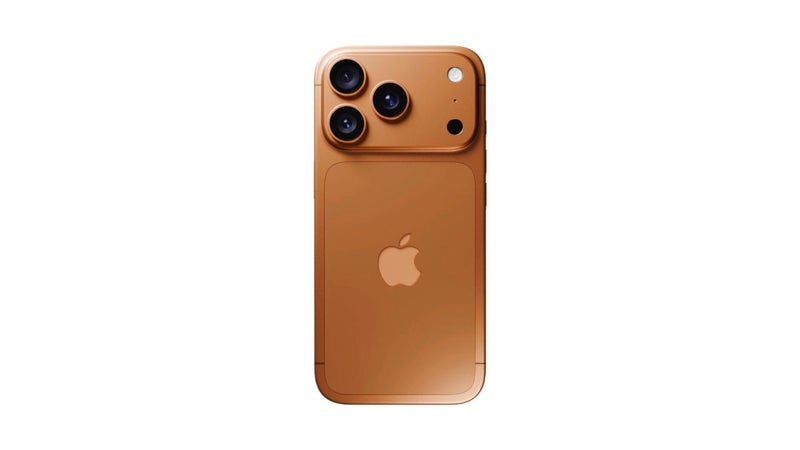
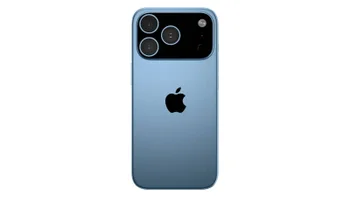
The upcoming iPhone 17 Air is rumored to get a brand-new look that really sets it apart from the rest of the lineup. Expect a thinner body and a single rear camera, tucked into a horizontal, bar-style camera bump – the same design that is also rumored for the iPhone 17 Pro and Pro Max models.
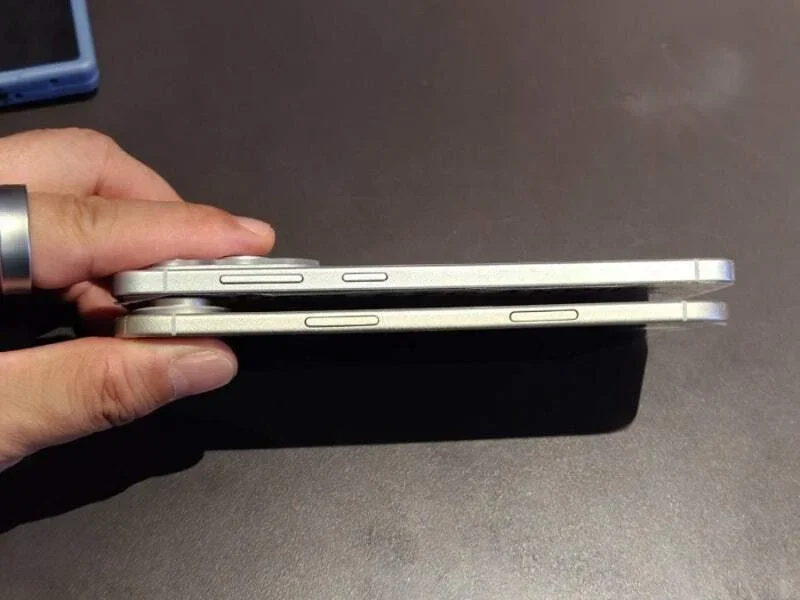
Rumors about its thickness have varied between 5mm and just over 6mm, but most agree the thinnest part will be around 5.4mm, which is insanely slim. Keep in mind, with the camera bump included, it might be a bit thicker. For comparison, Samsung’s slim Galaxy S25 Edge measures 5.8mm thick.
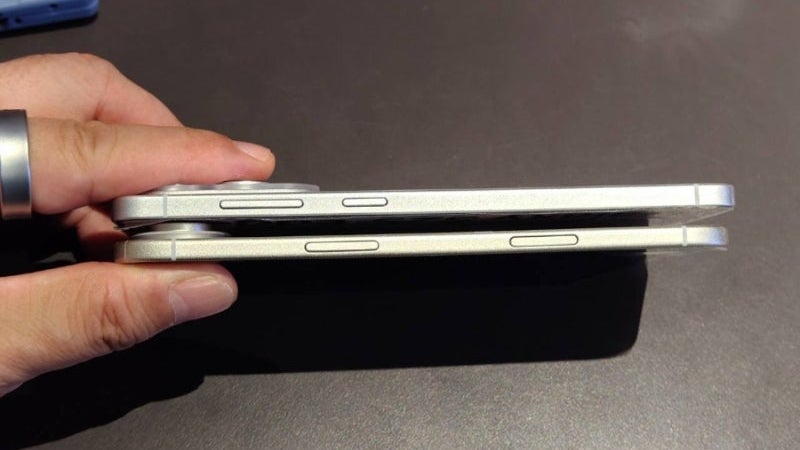
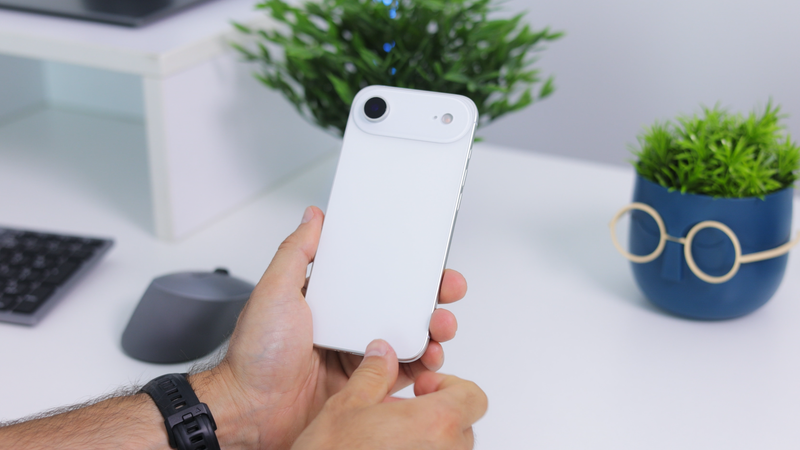
This is how thin the Air model should be. | Image credit – PhoneArena
The iPhone 17 Air is much slimmer than the Galaxy S25 Edge. | Image credit – Cid
It is also expected to be super light, weighing only about 145 grams, making it noticeably lighter than the iPhone 16 at 170 grams or the Plus model at 199 grams.
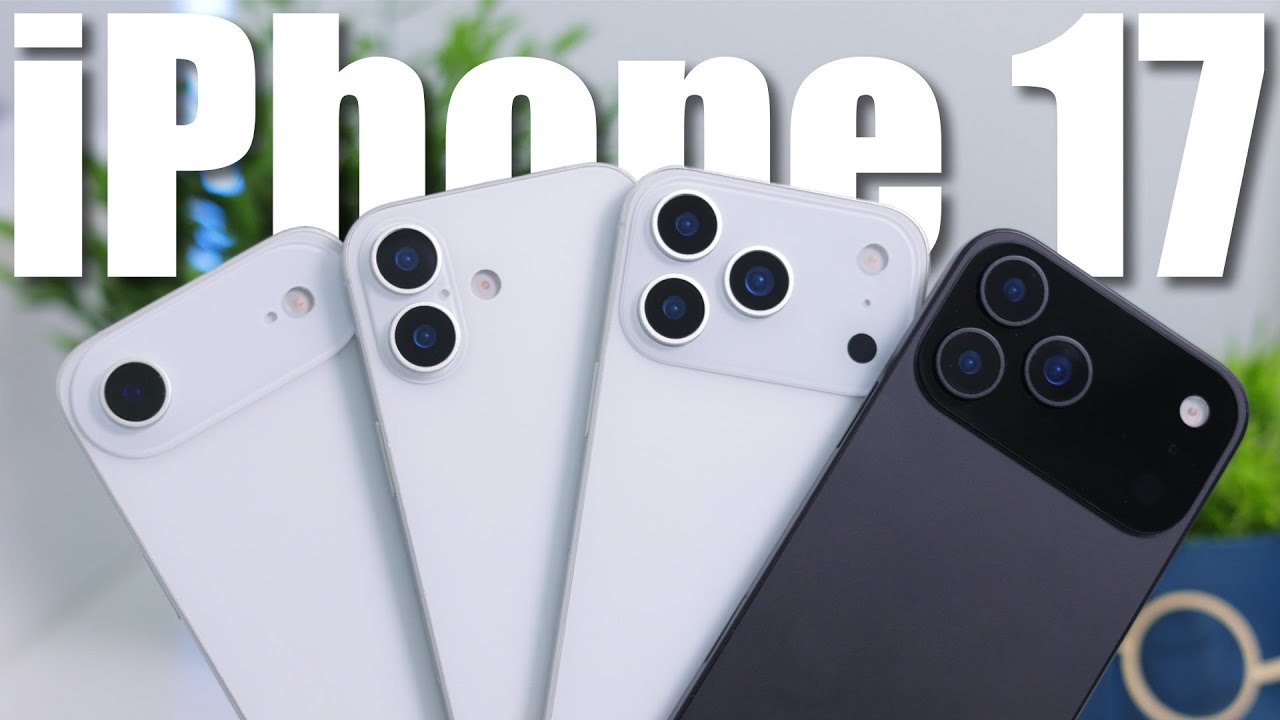
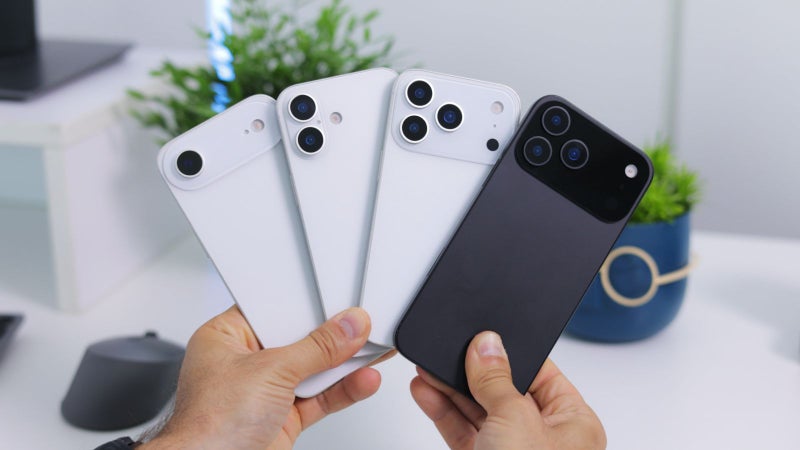
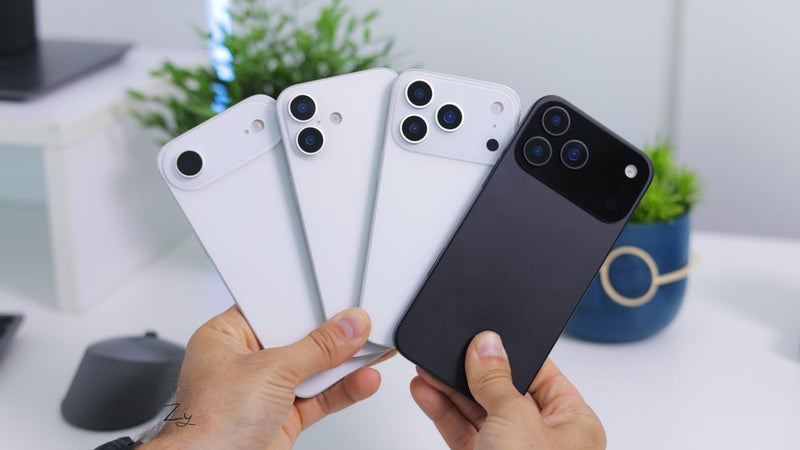
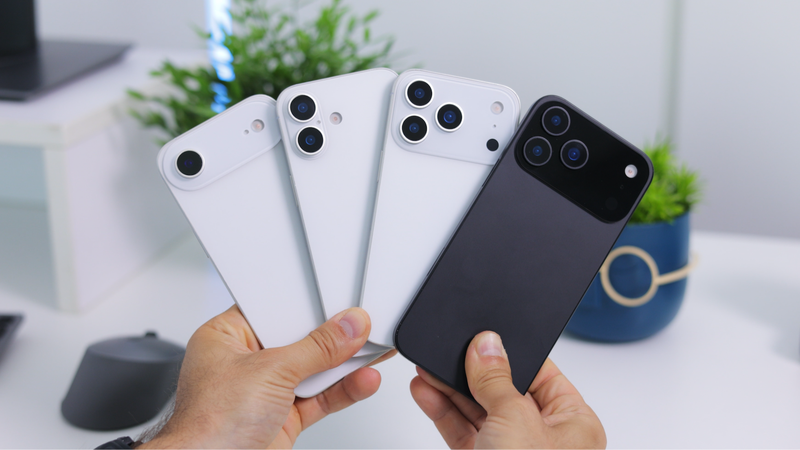
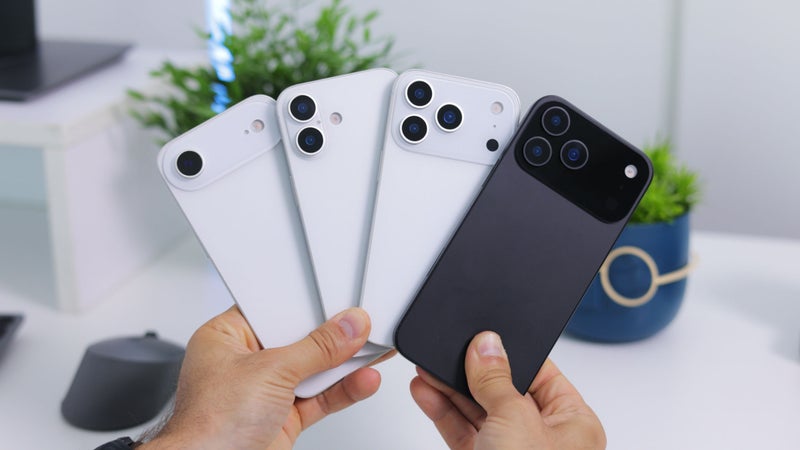
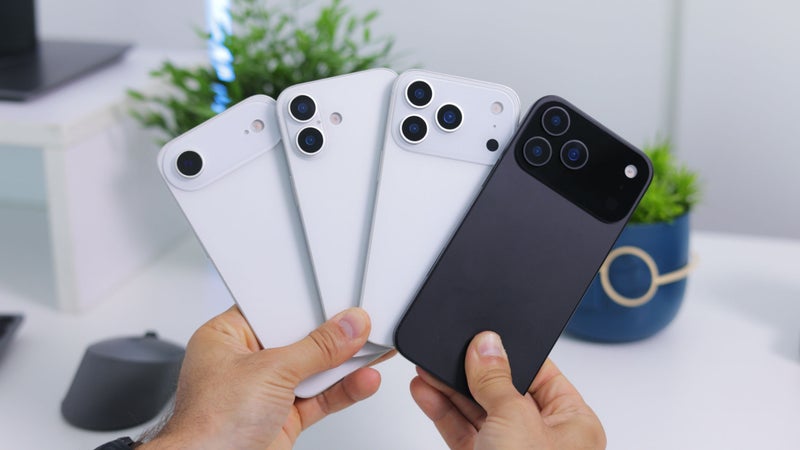
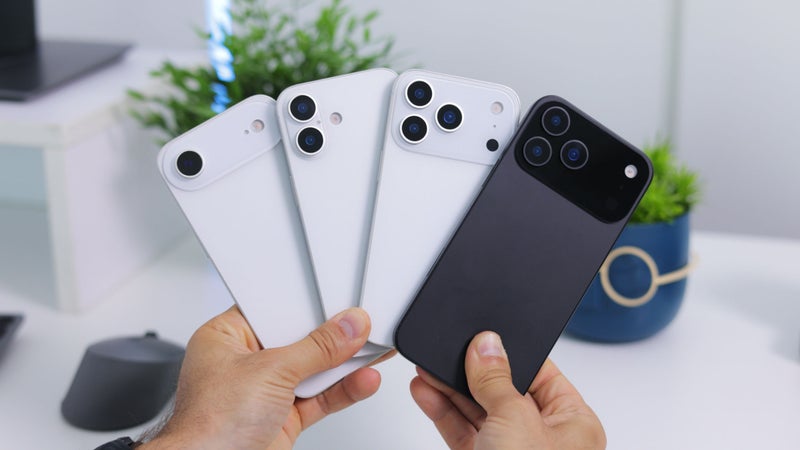
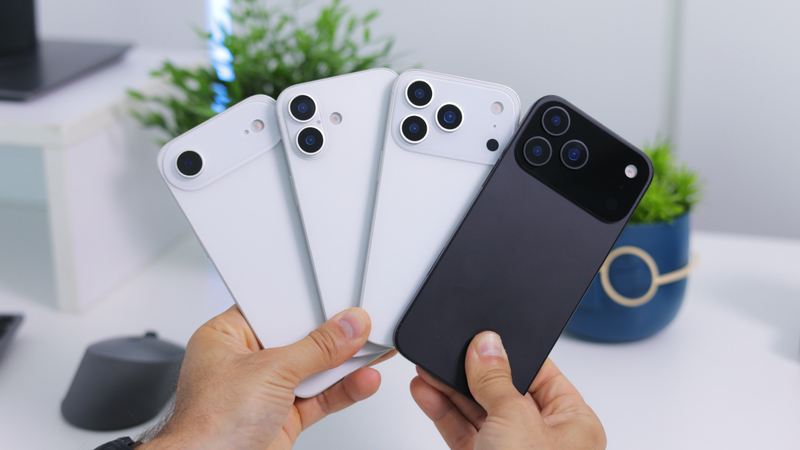
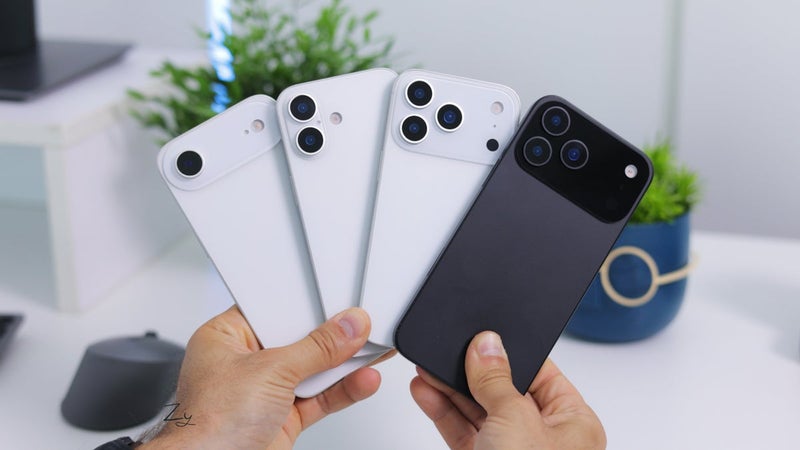
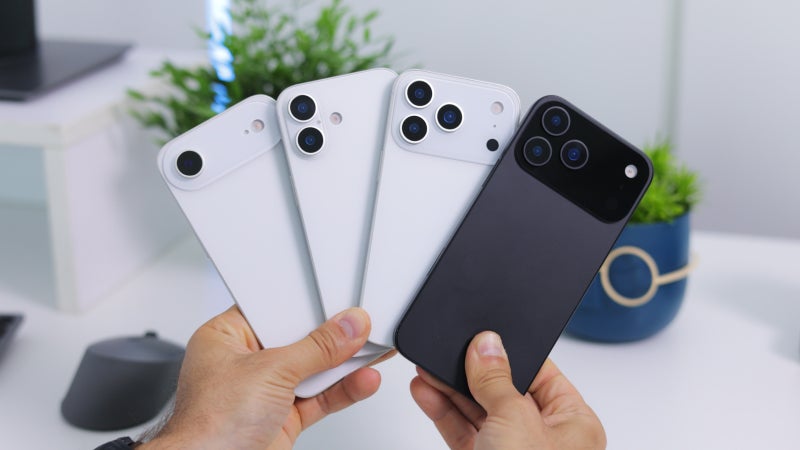
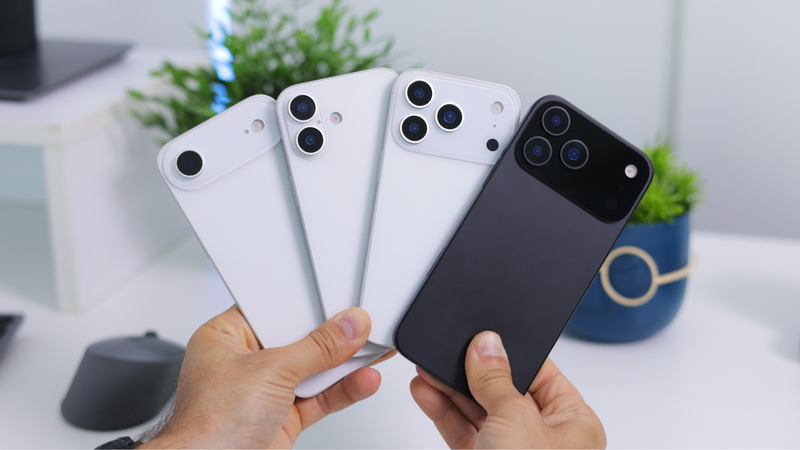
We’ve already seen plenty of renders and dummy units showing how the iPhone 17 Air might look and feel, and we even have some ourselves. Check out the gallery below to see the iPhone 17 Air next to the rest of the iPhone 17 lineup. Just a heads-up – these are based on leaks and rumors, not official designs from Apple.
We already have dummy units of the entire iPhone 17 lineup. | Image credit – PhoneArena
iPhone 17 Air expected dimensions: 163.0 x 77.6 x 5.4mm
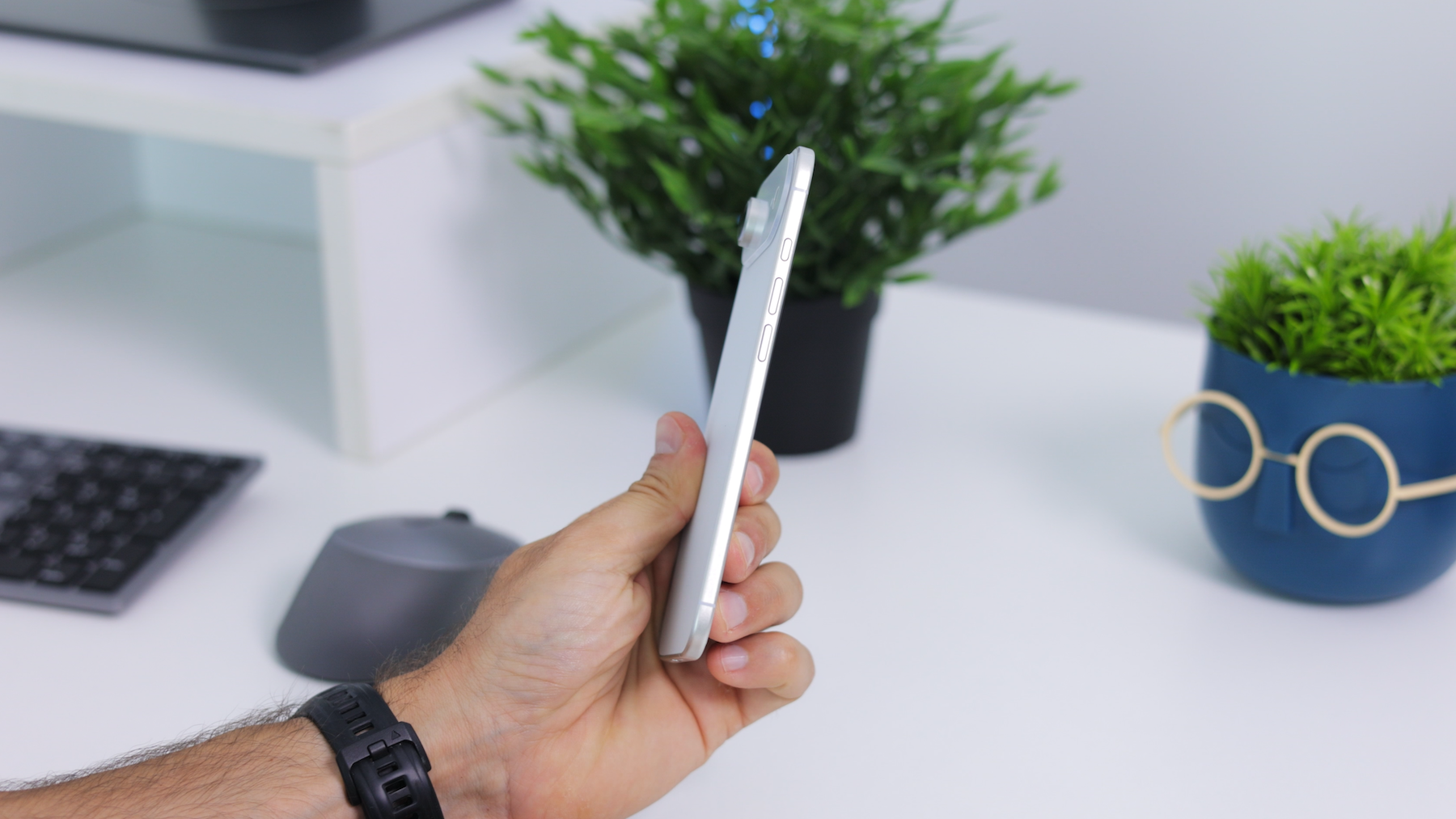
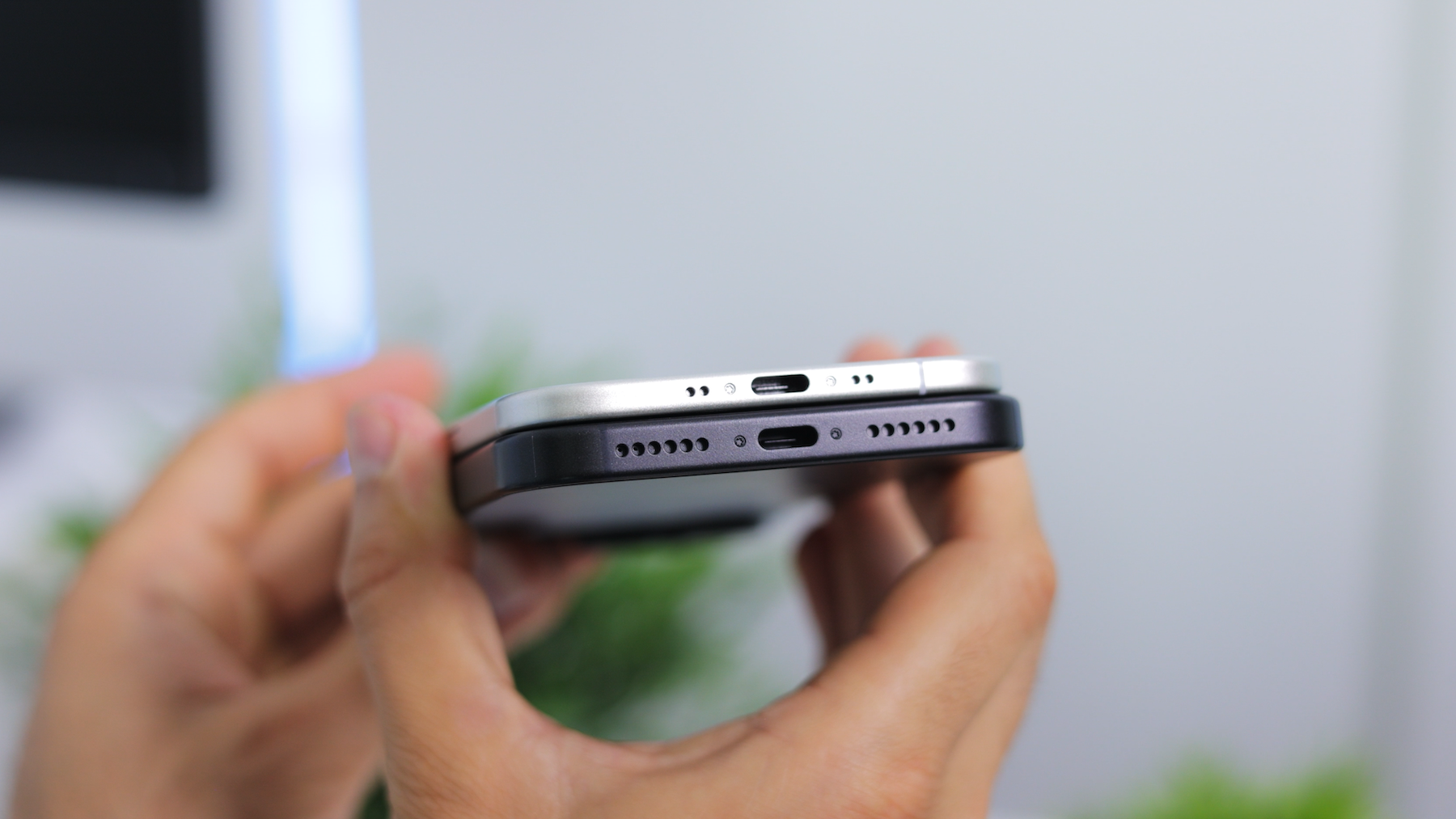
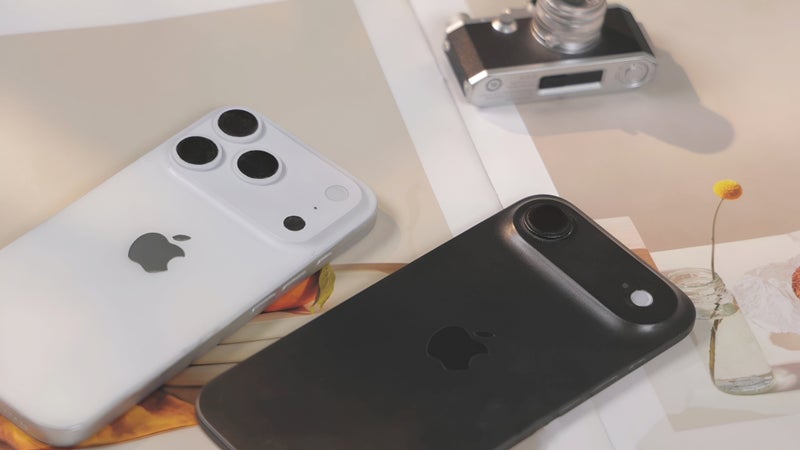
Our dummy units show just how thinner the iPhone 17 Air is than the iPhone 17 Pro. | Image credit – PhoneArena
5.44mm thin
The story around just how thin the iPhone 17 Air really is... well, it is kind of a mess. The rumors have been all over the place and there is no clear consensus. That said, the most recent reports seem to agree on either 5.4mm or 5.5mm – so that is likely what we will end up getting.
Still, to give you a better idea of how things have evolved in the tech rumor mill, here is a quick breakdown of the different numbers we’ve heard so far, starting from the earliest whispers.
The iPhone 17 Air could be... 6mm "thick". Apple is reportedly moving forward with plans to achieve a 6mm thickness for the iPhone 17 Air, making it the slimmest iPhone ever and thinner than the 6.9mm iPhone 6.
This claim was corroborated by another leak in early 2025: the Air model was going to be 6.25mm thick.
However, just some days later, industry insider Ming-Chi Kuo said the phone could be 5.5mm at its thinnest part, which was hinted at once more in June 2025.
In March, another leak revealed the iPhone 17 Air and it claimed the phone is going to 5.44mm in its thinnest part, which is respectable.
However, it's possible that the iPhone 17 Air could feature a 4.0mm-thick camera bar, making the top part of the phone 9.5mm thick.
But exact millimeters aside, you are probably wondering what is the point of making the phone so thin if you are just going to throw a case on it anyway. Well, Apple seems to be thinking along the same lines.
A recent report suggests the company has actually considered – and maybe even tested – an iPhone 4-style bumper case for the new phone. That is the kind of case that only wraps around the sides while leaving the back panel exposed, keeping the slim look intact.
Now, circling back to the design – because there is more to talk about than just how thin it is. Word is, the iPhone 17 Air might be the only model rocking a titanium frame this year. Yeah, you read that right: Apple could be dropping titanium from the Pro models and handing it off to the Air instead.
Honestly, that move checks out. A thinner phone needs a stronger build, and titanium is pretty much made for this kind of job. It’s tougher than aluminum and doesn’t need to be bulky to hold up. If Apple’s really going all-in on the ultra-slim design, then yeah – titanium just makes sense.
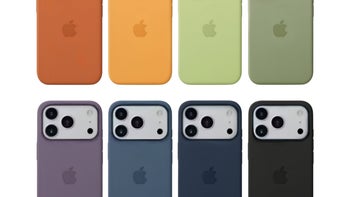
Also, like I mentioned earlier, the iPhone 17 series has already popped up in plenty of renders and dummy units – and most of them seem to line up on the color options, too.
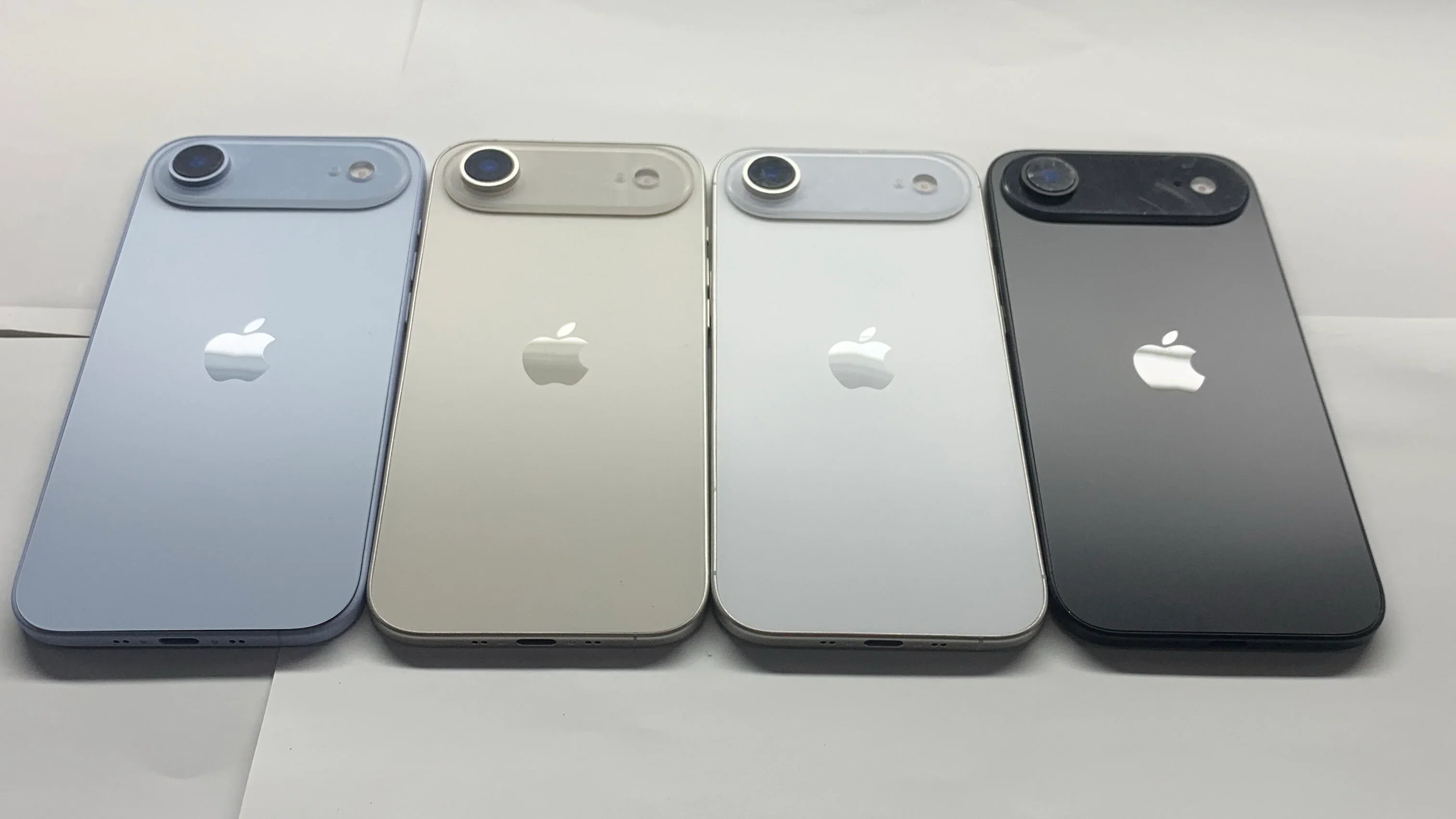
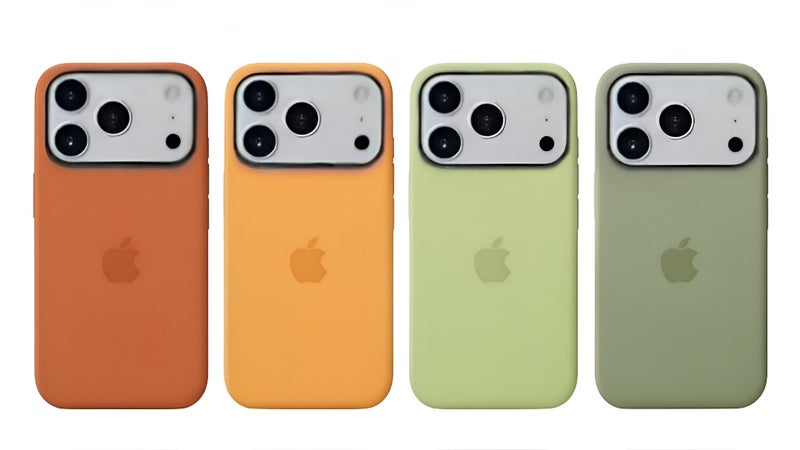
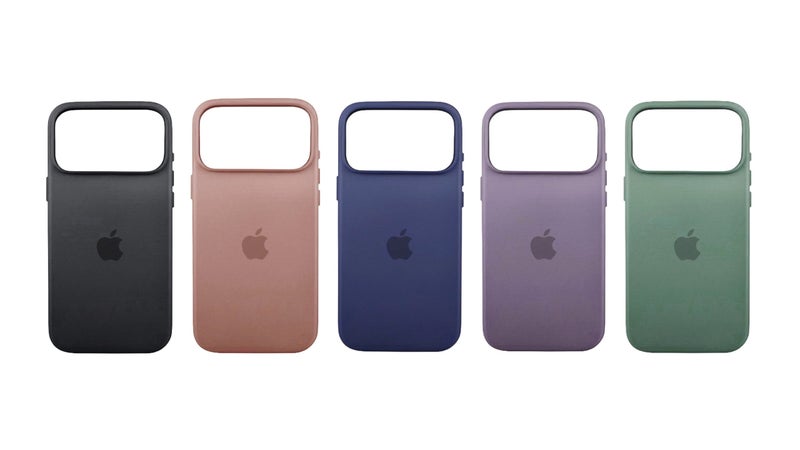
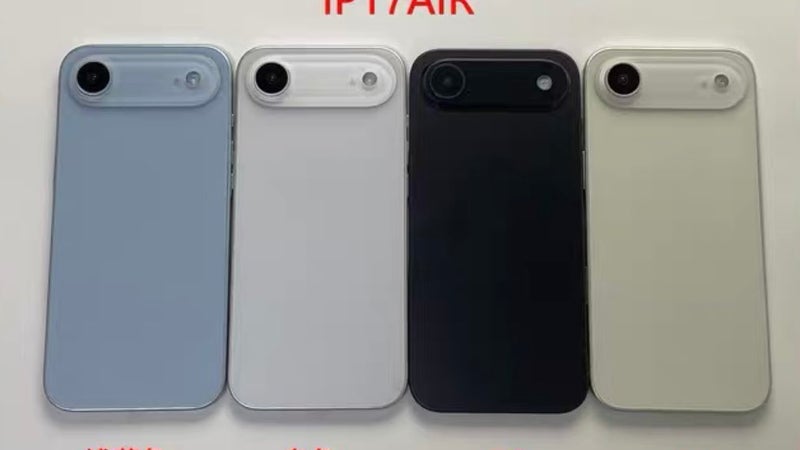
The iPhone 17 Air possible color options. | Image credit – Sonny Dickson
The device should come in a four color options, one of which is an exclusive one – after all, it's a new variation of the standard iPhone 17 lineup that we're dealing with here.
The iPhone 17 Air is rumored to launch with a new ultra-light blue finish, but leaks suggest the shade is so pale it might look white under certain lighting. This subtle approach follows a growing trend of nearly colorless smartphone designs.
iPhone 17 Air display
While earlier reports called for a 6.55-inch display, a recent leak claims that the iPhone 17 Air is to arrive with a larger 6.7-inch panel. Despite the mixed reports, one thing seems certain: the iPhone 17 Air will feature a large display.
There was this rumor that Apple dropped BOE as a display supplier for the iPhone 17 lineup after the company failed to meet quality standards for LTPO ProMotion panels. The new iPhone 17 Air was reportedly facing issues with its ultra-thin displays cracking, forcing Apple to rely solely on Samsung and LG for screens despite higher costs.
Then, another report read that BOE will handle display production just for the Chinese market. Meanwhile, Samsung and LG will cover the rest of the world.
Advanced display technology... or not?
Here is a downside: the iPhone 17 Air probably won't get the "Low-Dielectric TEE" display tech that the iPhone 17 Pro is rumored to have.
This Low-Dielectric TEE tech is supposed to make the phone tougher, boost energy efficiency and speed things up. By cutting down power use, it helps the battery last longer on a single charge. It also improves response times, making the whole experience feel smoother and just better overall.
That said, the Air might use Samsung Display's M14 panel. On paper, this panel can hit a super bright 3,000 nits – which is huge! But we didn't really see that level of brightness on the iPhone 16 Pro and Pro Max, so it might not reach its full potential this time around either.
iPhone 17 Air battery
Being that thin does come with a trade-off and in this case, it is likely battery life. The iPhone 17 Air is rumored to pack a 2,800 mAh battery – which, let's be honest, is pretty small by today's standards.
So, iPhone 17 Airmight face challenges lasting a full day on a single charge. To address the issue, Apple is reportedly working on a phone case with a built-in battery to help extend usage time.
Also, to help manage battery life, Apple plans to introduce AI-powered energy optimization in iOS 26, though some remain skeptical given the company's ongoing delays in delivering promised AI features.
The ultra-slim iPhone 17 Air could also feature a new adhesive and electrically induced adhesive peel technology. This innovation enables Apple to eliminate certain battery components like brackets, screws, clips, and mounts, helping the device maintain its sleek profile.
Moreover, the iPhone 17 Air might also take advantage of high-density battery cells. It is not confirmed yet – like most things before launch – but if it happens, this tech could be a big win. High-density batteries are all about squeezing more power into a smaller space, which is exactly what a super slim phone like the 17 Air needs.
High-density cells achieve this by refining material composition and structural engineering, enabling more energy to be stored in the same physical space.
One thing that is pretty much guaranteed is that the iPhone 17 Air will launch with iOS 26 right out of the box. Apple already introduced the new OS earlier this summer, and it's currently available as a public beta. The stable version is expected to roll out alongside the iPhone 17 lineup in September.
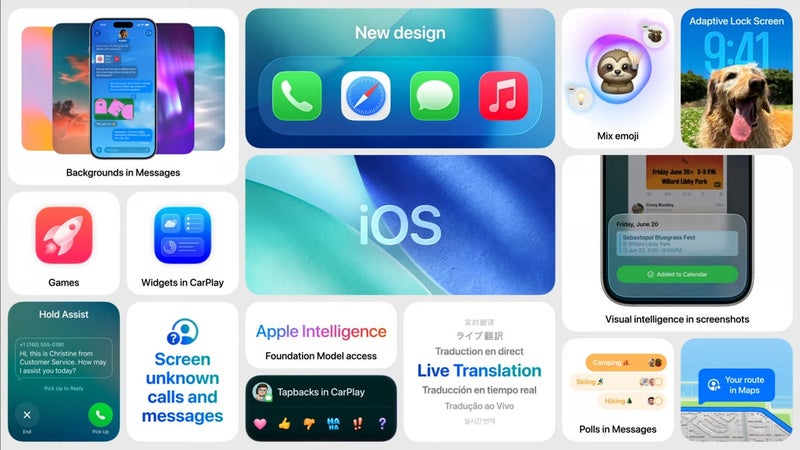
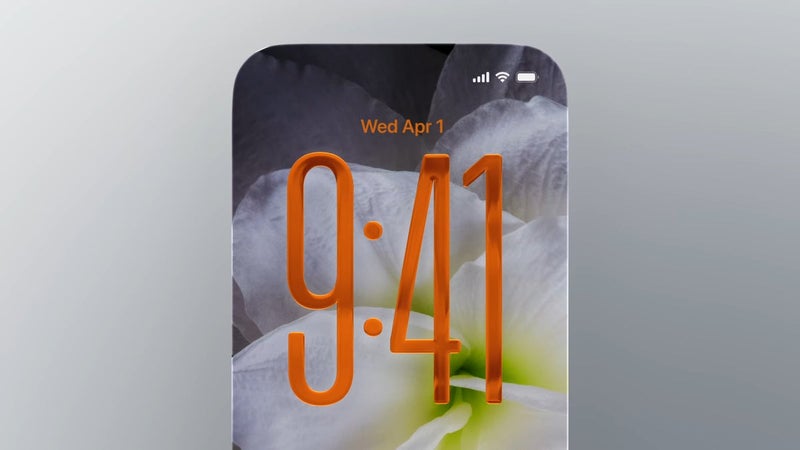
And iOS 26 is bringing some big changes. One of the most talked-about updates is the new design language called Liquid Glass – it’s Apple’s vision of a sleek, futuristic UI that plays with reflections, light, and transparency to make everything feel more dynamic and glass-like.
Video credit – Apple
What’s cool is that Apple seems to be not only focusing on AI fluff but on genuinely useful tools, as well. The iPhone 17 Air will be getting the full suite of Apple Intelligence features, which means you’ll also notice a serious upgrade to Visual Intelligence, making it easier to search, interact with content, and find what you need online.
Here’s a quick rundown of some of the standout features in iOS 26:
Liquid Glass UI: A new design style with light-based effects, transparency and motion.
Apple Intelligence: All the core AI features available across the iPhone 17 lineup.
Visual Intelligence upgrades: Smarter image recognition and online interaction tools.
Offline live translation: Handy for travel or spotty connections.
AI-powered call screening: The Phone app now uses AI to filter calls more intelligently.
3D photo wallpapers: Turn your regular photos into depth-effect lock screen wallpapers.
So while Apple’s not leading the AI race just yet, it’s making sure iOS 26 delivers where it actually counts.
iPhone 17 Air hardware and specs
What to expect:
CPU: Apple A19/A19 Pro chip
RAM: 8 GB
Battery: 2,800mAh
Storage: 256 GB, 512 GB
Camera setup: Single main 48 MP unit, 24 MP selfie
There's a slight chance that Apple might power the iPhone 17 Air with a version of the A19 Pro chip, similar to the iPhone 17 Pro models but with fewer graphics cores. Rumors conflict, though, as some suggest the Air could have the base A19 chip, while others claim the vanilla iPhone 17 will use the older A18 – making the exact lineup specs uncertain and worth taking with caution.
Apple's in-house chip
The iPhone 17 Air might be the second iPhone, after the iPhone 16e, to feature Apple's in-house 5G modem chip, replacing Qualcomm's.
The C1 in-house modem was believed to be the very reason that the iPhone 16e doesn't offer MagSafe support, but thankfully, that claim was refuted. So, even if the Air does pack the C1 modem, it might very well offer MagSafe support.
Should I wait for the iPhone 17 Air?
You should wait for the iPhone 17 Air if what you really care about is having the thinnest, sleekest iPhone out there. Then the Air might be exactly what you're looking for. It’s expected to be the slimmest iPhone ever, so if that’s your thing, holding off for it could definitely be worth it.
You should not wait for iPhone 17 Air if you're not willing to trade off camera quality or battery life just for a thinner design. In that case, you're probably better off looking at the regular iPhone 17 or one of the Pro models instead.
Tsveta, a passionate technology enthusiast and accomplished playwright, combines her love for mobile technologies and writing to explore and reveal the transformative power of tech. From being an early follower of PhoneArena to relying exclusively on her smartphone for photography, she embraces the immense capabilities of compact devices in our daily lives. With a Journalism degree and an explorative spirit, Tsveta not only provides expert insights into the world of gadgets and smartphones but also shares a unique perspective shaped by her diverse interests in travel, culture, and visual storytelling.









 FCC OKs Cingular\'s purchase of AT&T Wireless