Pixel 10 vs Galaxy S25: Google’s sleeper upgrade could steal the spotlight from Samsung
We may earn a commission if you make a purchase from the links on this page.
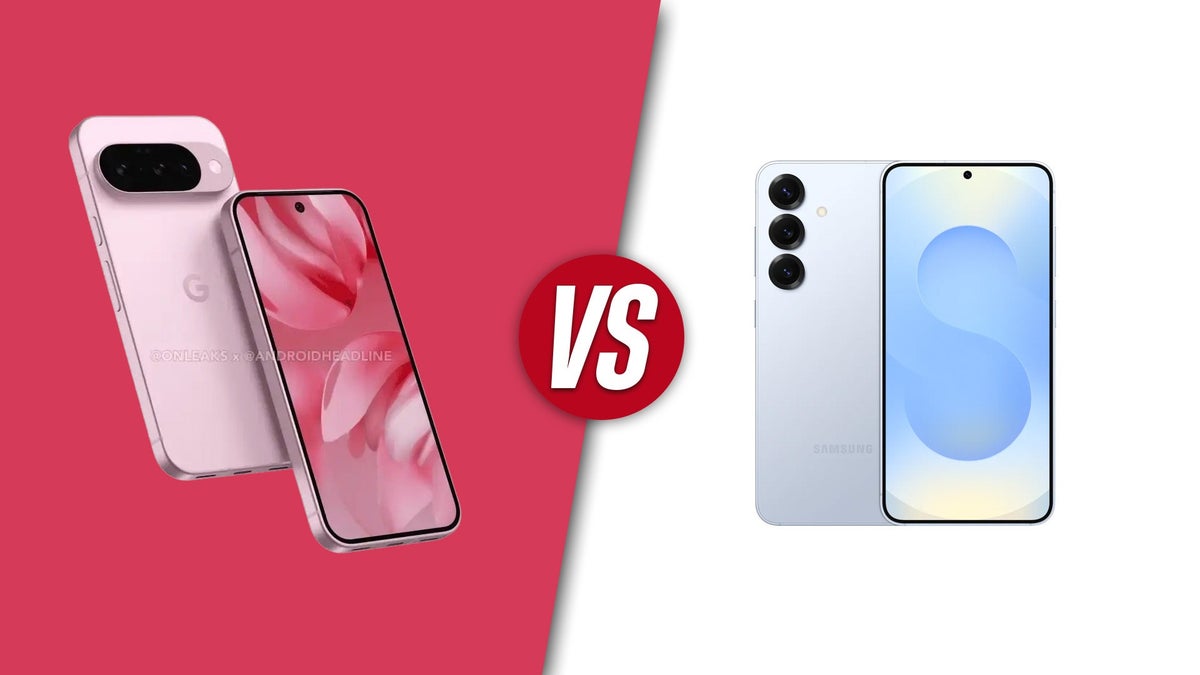
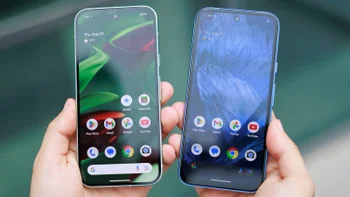
The second half of 2025 is shaping up to be a compelling one for Android fans. On one end, we have the Galaxy S25 — a light and compact flagship from Samsung. On the other, the Pixel 10 has now been officially announced, bringing Google’s first fully custom Tensor G5 chip, a triple camera setup, and a larger battery.
Both phones target the same $799 flagship category, share similar screen sizes, and cater to users who want a premium experience. However, there are some notable differences that might make you lean towards one of them more than the other.
So let's see how the two Android leaders base flagships compare in 2025.
Pixel 10 vs Galaxy S25 differences:
| Pixel 10 | Galaxy S25 |
|---|---|
| New Tensor G5 chip (AI-focused, probably not the fastest) | Snapdragon 8 Elite, top-tier performance |
| 6.3” OLED display | 6.2” AMOLED display |
| Thicker, taller, wider, heavier | More compact and leightweight |
| 3,000 nits brightness | 2,600 nits peak brightness |
| Triple camera system | Triple camera system |
| 30W wired charging | 25W wired charging |
| 15W Qi2 magnetic wireless charging | 15W wireless charging, no magnets |
| $799 | $799 |
Table of Contents:
Design and Size
The S25 is still the best compact phone, but Pixel 10 has a good reason for its larger size
The Galaxy S25 remains one of the lightest and most compact flagships around, measuring 146.9 x 70.5 x 7.25 mm and weighing just 162 g. Its slim frame and clean design make it a standout choice for fans of smaller phones.
The Pixel 10, by comparison, is larger and noticeably heavier at 152.8 x 72.0 x 8.6 mm and 204 g. But that extra heft has a purpose: it packs a 4,970 mAh battery and built-in magnets for Google’s new Pixelsnap accessory ecosystem, enabling magnetic wireless charging along with add-ons like stands and grips.
The Pixel 10, by comparison, is larger and noticeably heavier at 152.8 x 72.0 x 8.6 mm and 204 g. But that extra heft has a purpose: it packs a 4,970 mAh battery and built-in magnets for Google’s new Pixelsnap accessory ecosystem, enabling magnetic wireless charging along with add-ons like stands and grips.
| Pixel 10 | Galaxy S25 |
|---|---|
| Thickness 8.6 mm | Thickness 7.25 mm |
| Dimensions 152.8 x 72 | Dimensions 146.9 x 70.5 |
| Weight 204 grams | Weight 162 grams |
Both phones have aluminum frames, Gorilla Glass Victus 2 protection, and IP68 dust/water resistance. The Pixel keeps its horizontal camera bar, while the Galaxy S25 retains Samsung’s minimal vertical camera lenses.
Pixel 10 colors include Obsidian, Indigo, Frost, and Lemongrass, while Galaxy S25 colors consist of more muted shades like Icy Blue, Mint, and Silver Shadow.
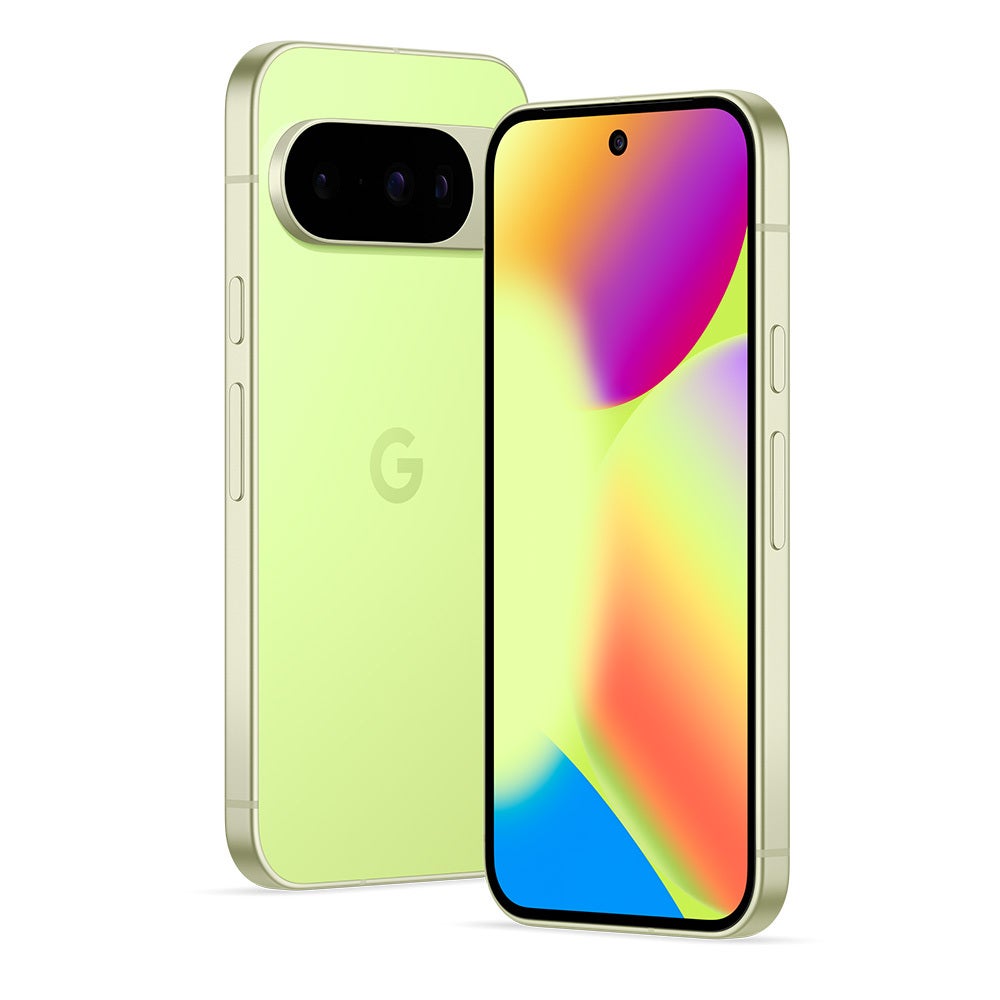
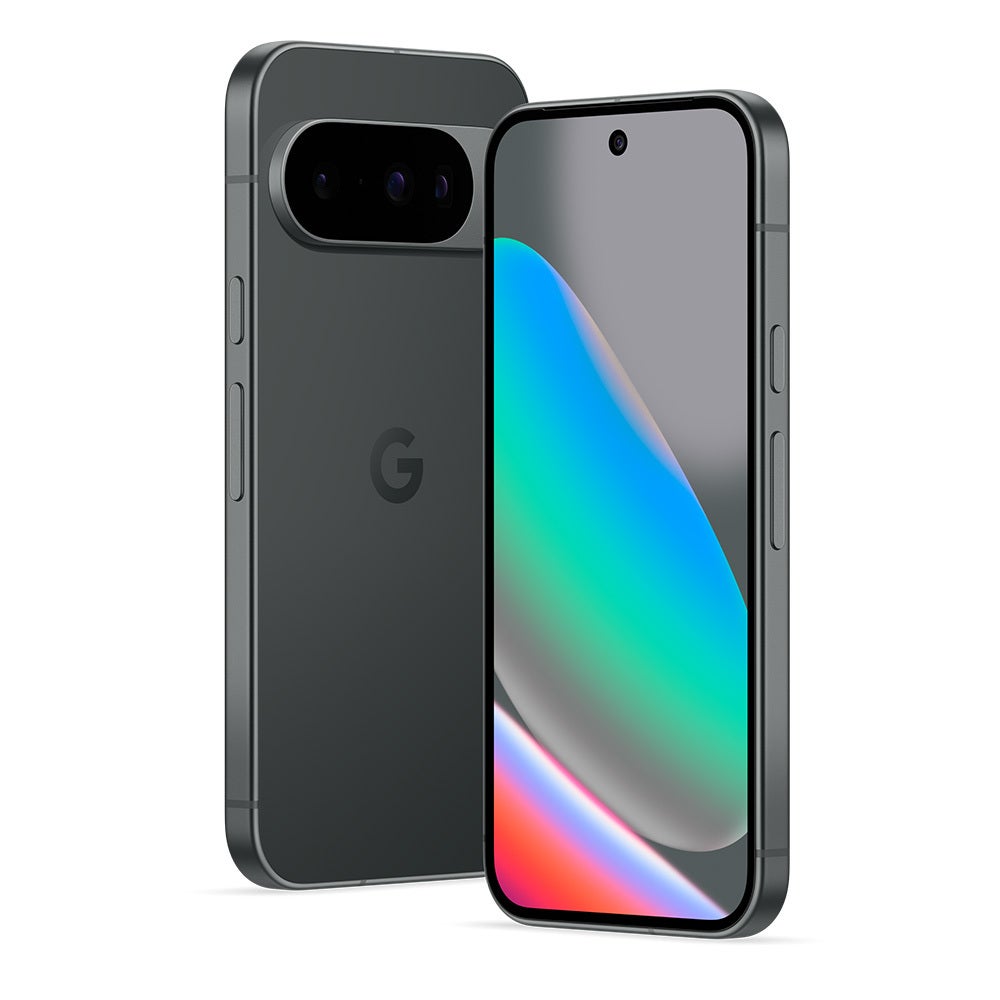
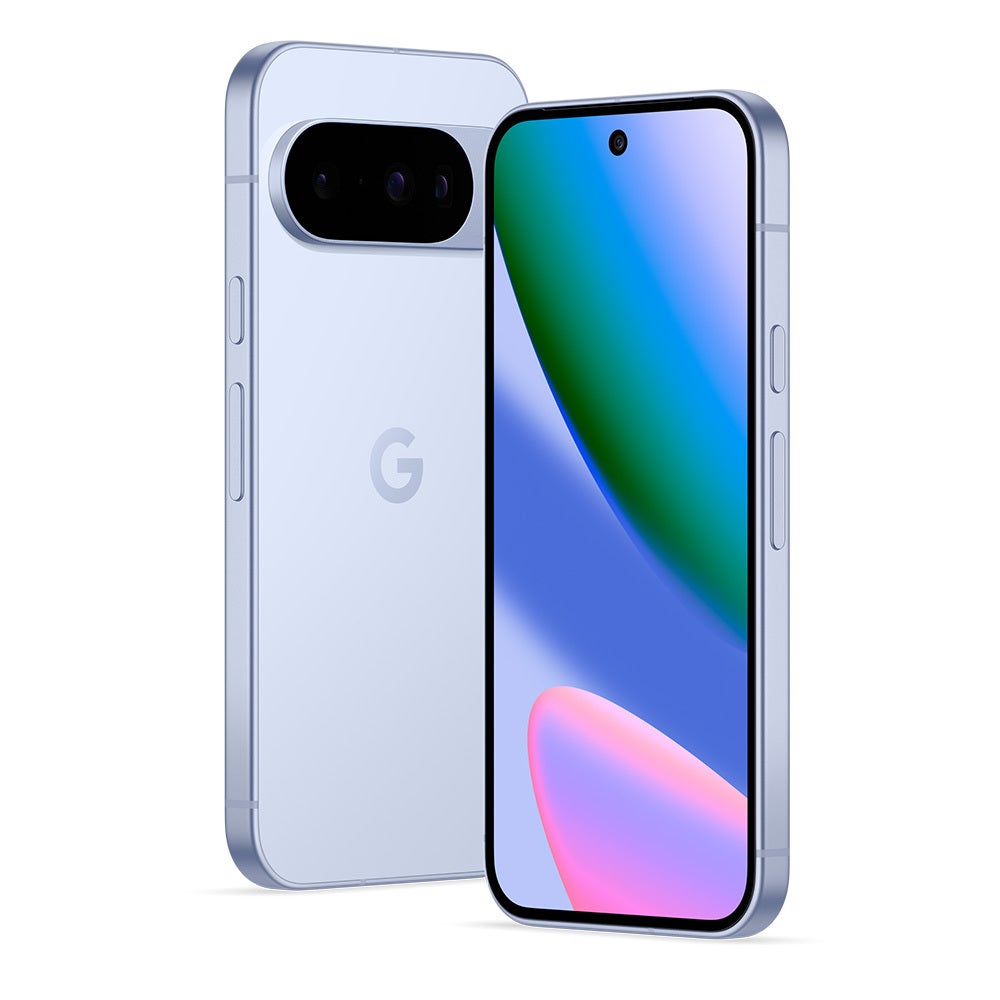
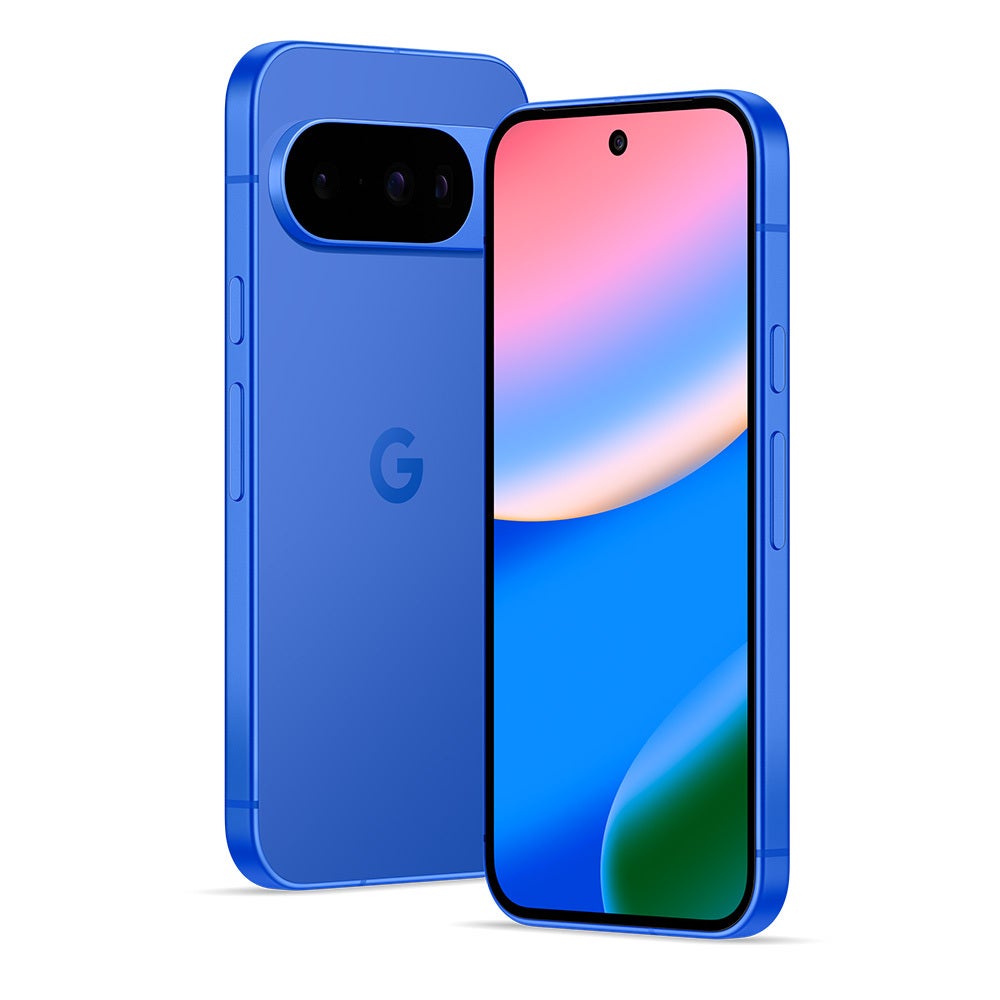
Pixel 10 colors include Obsidian, Indigo, Frost, and Lemongrass, while Galaxy S25 colors consist of more muted shades like Icy Blue, Mint, and Silver Shadow.
Display Differences
Both phones offer compact OLED panels with 120Hz refresh rates, but brightness is where Google takes the win. The Pixel 10 reaches 3,000 nits peak, while the Galaxy S25 peaks at 2,600 nits (2,400 nits in our tests).
| Pixel 10 | Galaxy S25 |
|---|---|
| Size 6.3" | Size 6.2" |
| Brightness 3000 nits (peak) | Brightness 2600 nits (peak) |
Samsung’s display is a bit smaller and more pixel-dense, while the Pixel 10 stretches slightly larger and taller with a 20:9 aspect ratio. Both support HDR10+, adaptive refresh rates, and deliver excellent color accuracy.
Biometrics are also closely matched, with ultrasonic fingerprint scanners and face recognition on both devices. Google, however, claims its new sensor is faster and more reliable than what previous Pixels offered.
Biometrics are also closely matched, with ultrasonic fingerprint scanners and face recognition on both devices. Google, however, claims its new sensor is faster and more reliable than what previous Pixels offered.
Performance and Software
The first fully-custom Tensor enters the stage
The Galaxy S25 runs on the Snapdragon 8 Elite, one of the fastest mobile chips to date, with nearly 50% GPU gains over the S24. It’s a clear powerhouse for gaming and other demanding tasks.
The Pixel 10, meanwhile, debuts the Tensor G5 — Google’s first fully in-house SoC, built on TSMC’s 3nm process. Instead of chasing benchmarks, Google focuses on AI. The chip delivers a 34% faster CPU, a 60% stronger TPU, and 2.6× faster Gemini Nano execution compared to the Tensor G4. A new ISP also powers features like motion deblur, default 10-bit HDR video, and sharper low-light footage.
| Pixel 10 | Galaxy S25 |
|---|---|
| Chip Google Tensor G5 | Chip Qualcomm Snapdragon 8 Elite |
| Process 3nm | Process 3nm |
| RAM, Storage 12/128GB 12/256GB LPDDR5X RAM Zoned UFS | RAM, Storage 12/128GB 12/256GB LPDDR5X RAM UFS 4.0 storage |
Both phones promise 7 years of OS and security updates, so long-term support is a given.
The Pixel 10 launches with Android 16 and new AI features like Magic Cue, which can proactively suggest actions (for example, pulling up your flight details when you call the airline). It also introduces Pixel Sense, a next-generation on-device assistant that ties into Gmail, Calendar, Maps, and more for deeper, context-aware help.
The Pixel 10 launches with Android 16 and new AI features like Magic Cue, which can proactively suggest actions (for example, pulling up your flight details when you call the airline). It also introduces Pixel Sense, a next-generation on-device assistant that ties into Gmail, Calendar, Maps, and more for deeper, context-aware help.
The Galaxy S25, by contrast, shipped with Android 15 and One UI 7, powered by Galaxy AI. Useful tools like Circle to Search, Live Translate, and Chat Assist are here, but many of the most impactful features still come from Google. Samsung’s own additions, like the Now Bar, show promise but feel less refined.
Camera
Equal at last?
For years, Samsung’s base Galaxy stood out as one of the few compact flagships with a triple camera system. With the Pixel 10, Google finally joins the party, giving its base model a telephoto lens for the first time.
| Pixel 10 | Galaxy S25 |
|---|---|
| Main 48 MP, f/1.7 25 mm 1/2" sensor size | Main 50 MP, f/1.8 24 mm 1/1.56" sensor size |
| Ultrawide 13 MP, f/1.2 13 mm 1/3.1" sensor size | Ultrawide 12 MP, f/2.2 13 mm 1/2.55" sensor size |
| Telephoto 10.8 MP, f/3.1 5X zoom 1/3.2" sensor size | Telephoto 10 MP, f/2.4 3X zoom 1/3.94" sensor size |
The differences go well beyond megapixels. Samsung’s main sensor is physically larger, which should help it maintain an edge in low-light shooting. But Google strikes back with a brand-new 5x telephoto camera, giving the Pixel 10 far more reach than the Galaxy S25’s 3x zoom — a meaningful advantage if you often shoot concerts, wildlife, or distant architecture. That said, the 3x range is often more practical for everyday scenarios like portraits of friends and family.
AI also plays a central role. The Pixel 10 debuts Camera Coach, an AI tool that guides you toward better composition by suggesting angles, framing tweaks, or stylistic touches like emphasizing shadows or symmetry. It builds on Google’s well-known HDR+ pipeline, Best Take, and its expanding suite of AI-powered video tools. Plus, Google now supports 10-bit HDR video at 4K60 across all cameras, bringing cinematic quality even to its baseline model.
The Galaxy S25, meanwhile, leans on software to enhance its familiar hardware. New tricks like Log video recording for pro editing, Audio Eraser to remove unwanted sounds, and further refinements in night photography keep it competitive. Paired with Galaxy AI for smarter scene detection, the S25 continues to deliver strong results without major hardware changes.
We’ll have to wait for our camera lab tests to see how the two truly compare, so stay tuned for side-by-side results and real-world photo samples.
AI also plays a central role. The Pixel 10 debuts Camera Coach, an AI tool that guides you toward better composition by suggesting angles, framing tweaks, or stylistic touches like emphasizing shadows or symmetry. It builds on Google’s well-known HDR+ pipeline, Best Take, and its expanding suite of AI-powered video tools. Plus, Google now supports 10-bit HDR video at 4K60 across all cameras, bringing cinematic quality even to its baseline model.
We’ll have to wait for our camera lab tests to see how the two truly compare, so stay tuned for side-by-side results and real-world photo samples.
Battery Life and Charging
Google is the first to add magnetic wireless charging in the Android world
The Pixel 10 carries a significant battery capacity advantage, with 4,970 mAh vs the Galaxy S25’s 4,000 mAh. We expect that to result in better battery life from the Pixel, especially with the custom-built Tensor G 5 chip inside. Google claims 30+ hours of use on a charge.
| Pixel 10 | Galaxy S25 |
|---|---|
| Battery size 4,970 mAh | Battery size 4,000 mAh |
Charging speeds 30W wired 15W wireless charging Qi2 magentic wireless charging USB-C 3.2 | Charging speeds 25W wired 15W wireless charging No magnetic wireless charging USB-C 3.2 |
Charging is also an area where the Pixel 10 stands out. Now it supports Qi2 magnetic wireless charging with Google’s Pixelsnap ecosystem of chargers and stands. Samsung sticks to standard 15W wireless charging without magnets.
Specs Comparison
Here's a quick overview of the Pixel 10 vs Galaxy S25 specs:
| Pixel 10 | Galaxy S25 |
|---|---|
| Size, weight 152.8 x 72 x 8.6 mm, 204 g | Size, weight 146.9 x 70.5 x 7.25 mm, 162 g |
| Screen 6.3" OLED 120Hz | Screen 6.2" OLED 120Hz |
| Processor Tensor G5 3nm | Processor Snapdragon 8 Elite 3nm |
| Versions: 12/128GB 12/256GB --- LPDDRX5 | Versions: 12/128GB 12/256GB 12/512GB LPDDRX5 |
| Cameras: 48MP main 13MP ultra 10.8MP 5X zoom 10.5MP front | Cameras: 50MP main 12MP ultra 10MP 3X zoom 12MP front |
| Battery: 4,970 mAh | Battery: 4,000 mAh |
| Charging: USB-C 30W wired 15W wireless Qi2 magnetic | Charging: USB-C 25W wired 15W wireless No magnetic |
Summary
The Galaxy S25 is a refined, lightweight flagship that emphasizes raw performance, compact size, and a proven camera system. It’s already on shelves, easy to handle, and its Snapdragon 8 Elite sets the standard for Android power.
The Pixel 10, on the other hand, feels more forward-looking. With a 4,970 mAh battery, full Qi2 magnetic charging, Google’s first triple-camera setup on a base Pixel, and deep AI integration through Magic Cue and Camera Coach, it’s built around endurance and intelligence rather than brute force.
Both cost $799 and both promise 7 years of updates. The decision comes down to priorities: if you want a featherweight phone with top-tier performance, the Galaxy S25 is the safer pick. If you’d rather have smarter software, longer battery life, and more camera versatility, the Pixel 10 looks like the more exciting choice.
The Pixel 10, on the other hand, feels more forward-looking. With a 4,970 mAh battery, full Qi2 magnetic charging, Google’s first triple-camera setup on a base Pixel, and deep AI integration through Magic Cue and Camera Coach, it’s built around endurance and intelligence rather than brute force.
Both cost $799 and both promise 7 years of updates. The decision comes down to priorities: if you want a featherweight phone with top-tier performance, the Galaxy S25 is the safer pick. If you’d rather have smarter software, longer battery life, and more camera versatility, the Pixel 10 looks like the more exciting choice.

Follow us on Google News







 FCC OKs Cingular\'s purchase of AT&T Wireless
Things that are NOT allowed:
To help keep our community safe and free from spam, we apply temporary limits to newly created accounts: