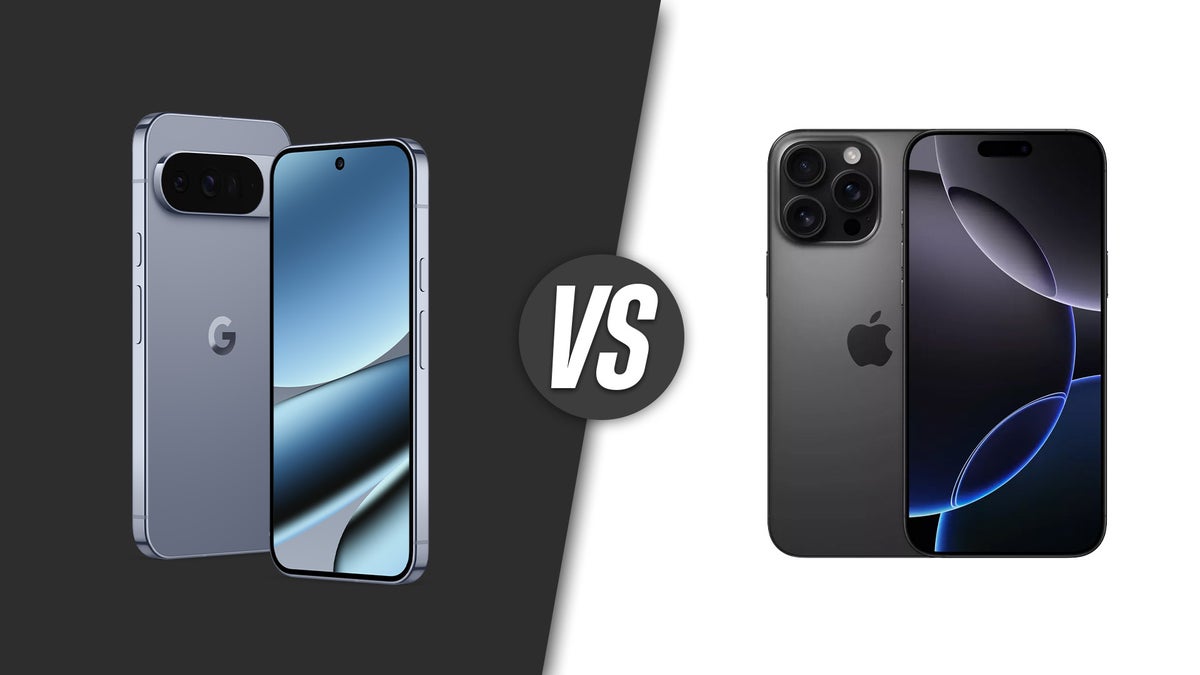
Google Pixel 10 Pro XL vs iPhone 16 Pro Max: here we go!
Google's Pixel 10 Pro XL is right around the corner. Will a new 3nm chip and redesigned Android be enough to pull eyes and wallets away from the iPhone 16 Pro Max?
We may earn a commission if you make a purchase from the links on this page.
Intro
Apple’s iPhone 16 Pro Max is now approaching a year old and you could say it has gathered quite the momenum in the market. Well, minus the fact that it didn't get all the AI software features that were promised — oopsie! However, you could argue that hasn't reduced the iPhone's desirability — it’s Apple’s ecosystem magic and sheer polish that keep it perched comfortably at the top.
So, it's now Google's turn! With the Android Show whetting our appetite for Android 16, and the Pixel 10 Pro XL now finally official, the new hardware and new software is coming. hand-in-hand, and on time, who would've thunk it? (it's not all roses, as Google tends to also bury a lot of features, apps, and services, but that's a whole other topic)
Pixel 10 Pro XL with a $200 gift card
The Pixel 10 Pro XL brings improved performance, more AI tricks, and a fantastic camera setup. The handset also packs a superior 6.8-inch OLED display. You can pre-order it with a $200 gift card at Amazon.
This offer is not available in your area.
iPhone 16 Pro Max: Up to $600 off with trade-in
$599
$1199
$600 off (50%)
Go Pro Max without breaking the bank this year! The iPhone 16 Pro Max is currently available at the official Apple Store for up to $600 off with eligible trade-ins.
This offer is not available in your area.
Since last year, the Pixel Pro XL model became a thing — a variation of the Pixel flagships that goes straight for the iPhone Pro Max throne, being the biggest, most specced-out Pixel model. Can it compete with Apple's Titan?
Pixel 10 Pro XL vs iPhone 16 Pro Max expected differences:
Pixel 10 Pro XL
iPhone 16 Pro Max
Almost no difference from last year, flat sides with curved corners
Also flat sides and curved corners, titanium coating
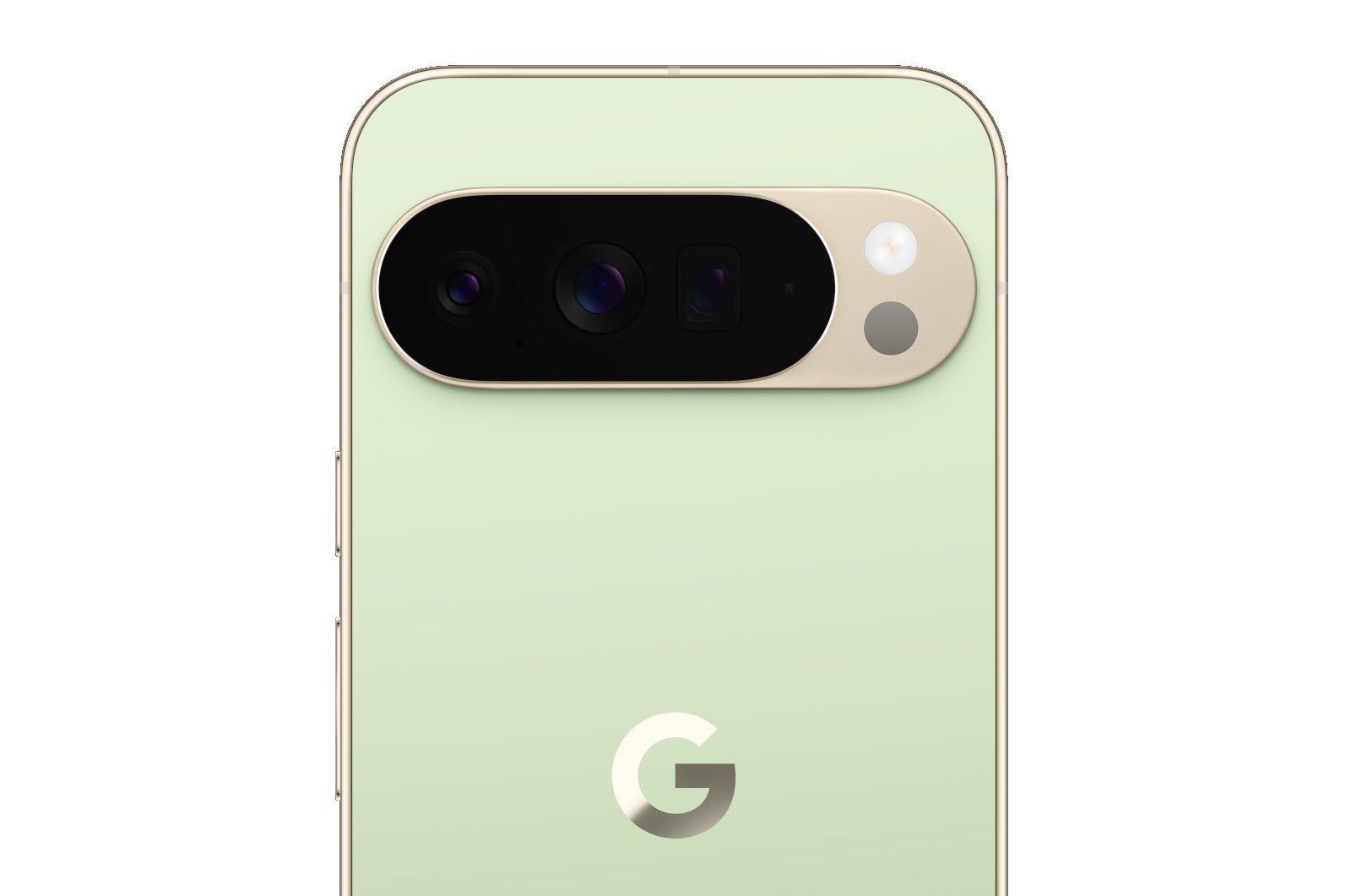
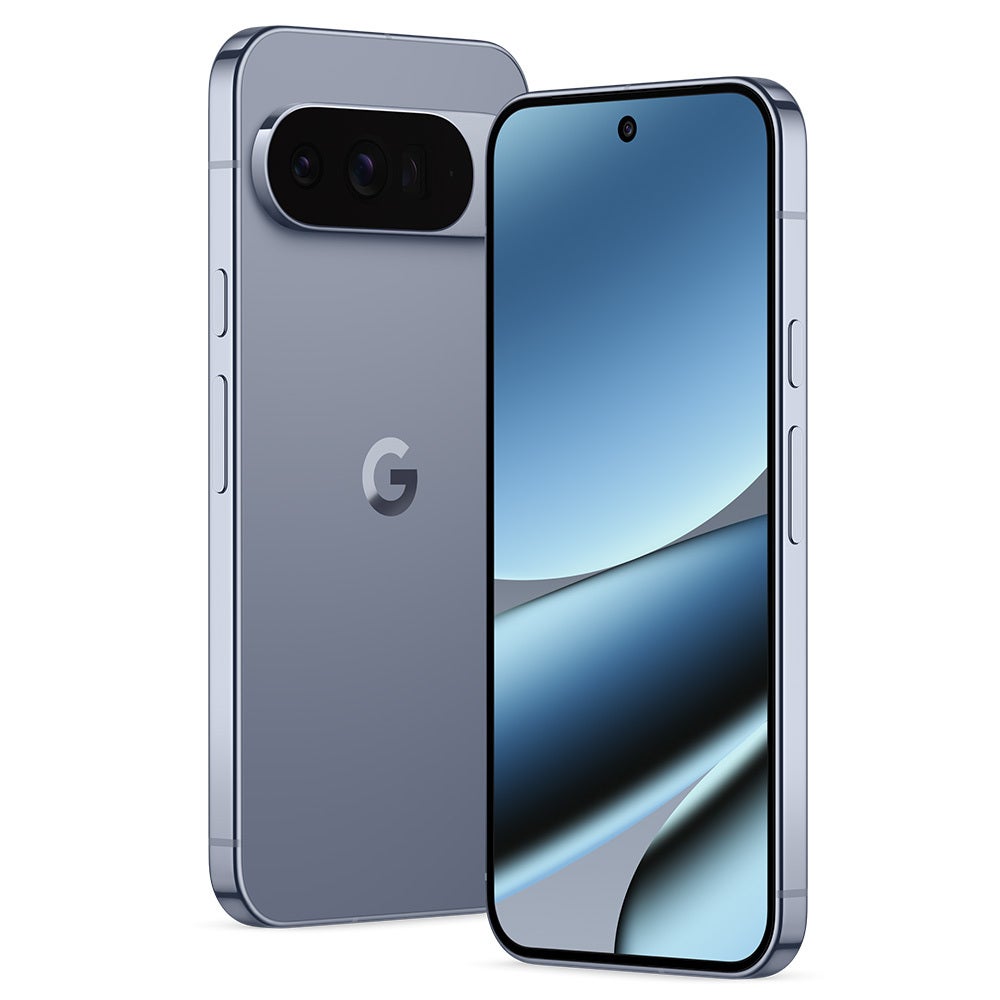
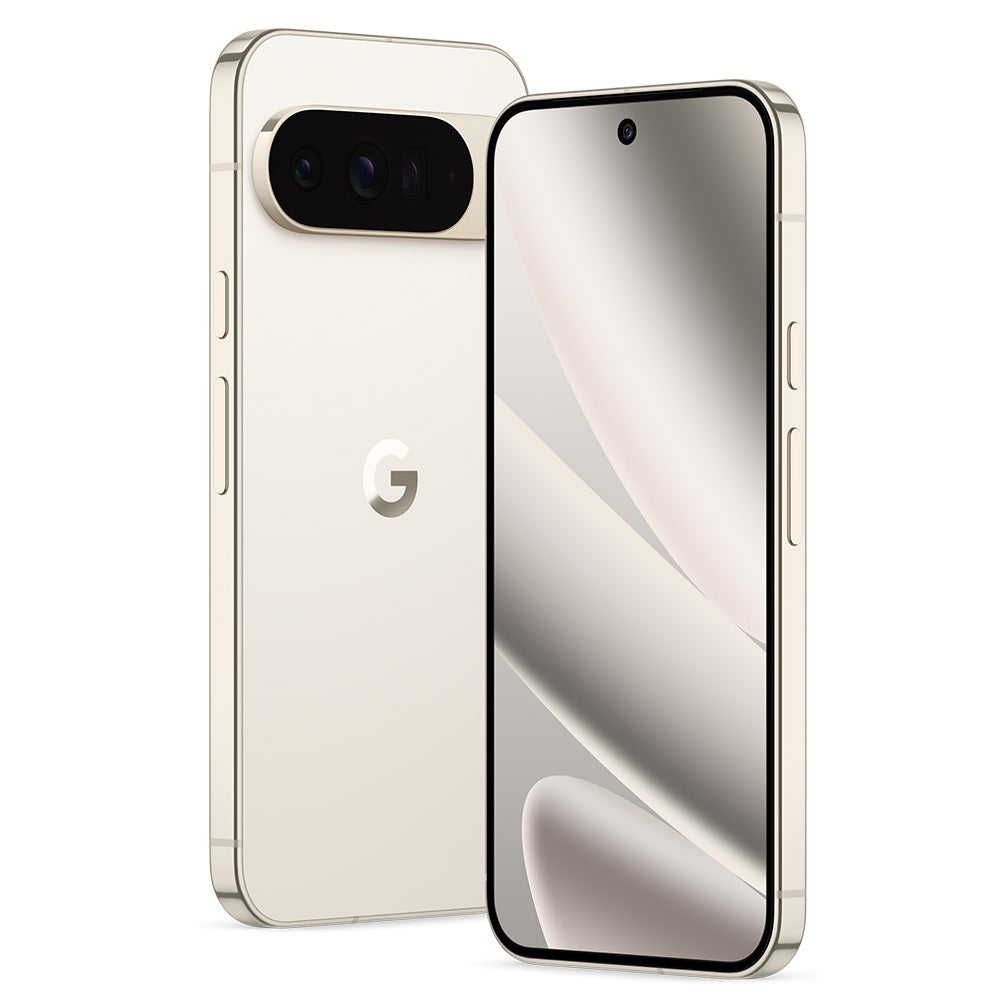
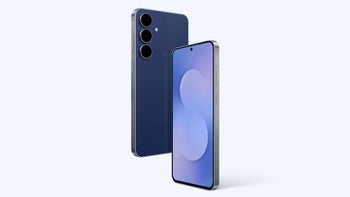
If you’ve seen the Pixel 9 Pro XL, chances are you have a good idea of what the Pixel 10 Pro XL looks like. Google is sticking to its guns with that iconic camera bar and flat design language. It's instantly recognizable and feels pretty good in the hand.
Three lenses walk into a camera bar...
The Pixel 10 Pro XL does grow slightly (emphasis on slightly) heavier because of its bigger battery and Qi2 magnets added to the phone. Expect it to be a tiny bit heavier than the iPhone 16 Pro Max (232 g vs 227 g). It's apparently still made of aluminum, though it has the shiny finishes yet again.
Meanwhile, Apple’s iPhone 16 Pro Max is pulling some subtle but meaningful tricks of its own. It came with slightly slimmer bezels, and is a touch lighter thanks to that titanium frame that Apple introduced in 2023. The general footprint stays familiar, but makes things a bit more comples with two extra buttons — the Action Button and Camera Control buttons, if you recall.
Pixel 10 Pro XL
iPhone 16 Pro Max
Thickness 8.5mm
Thickness 8.25mm
Weight 232 gr
Weight 227 gr
Both phones bring that flagship heft and premium feel, both with IP68 water- and dust-resistance (because of course they would have it), and both should be built like tanks.
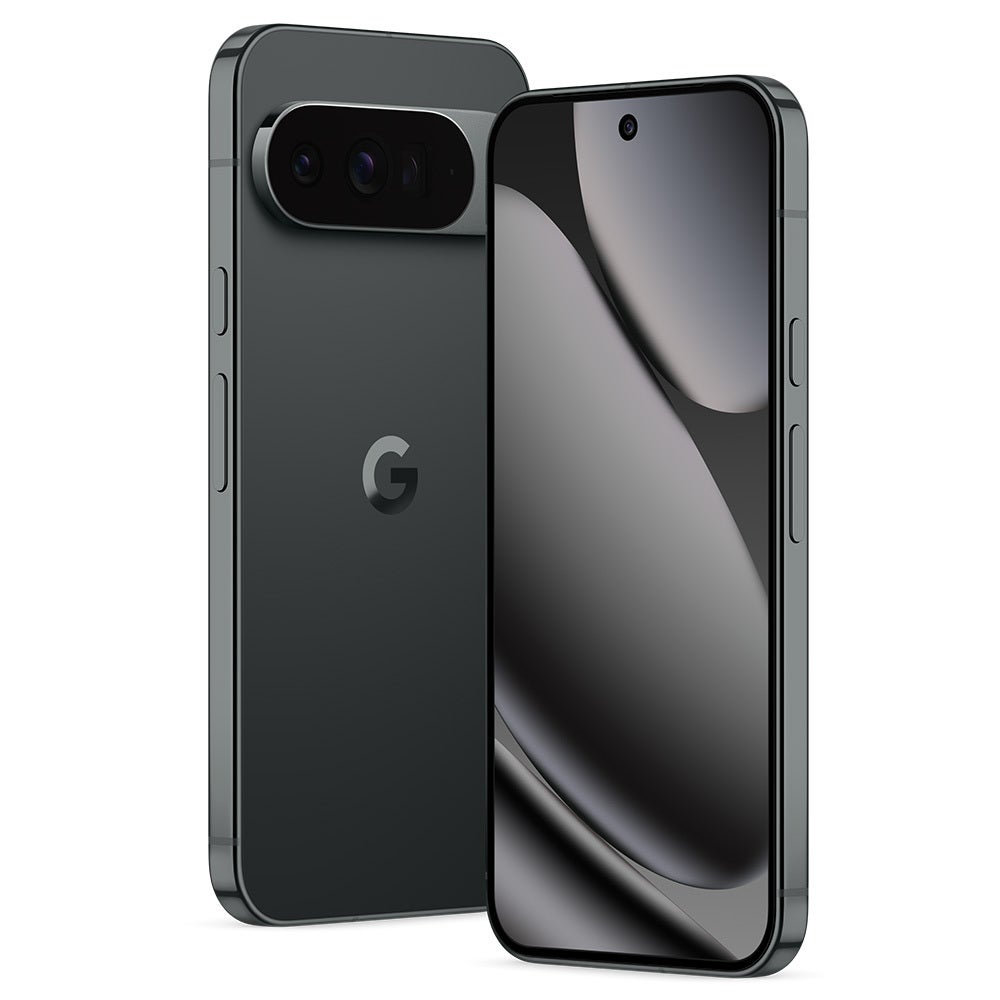
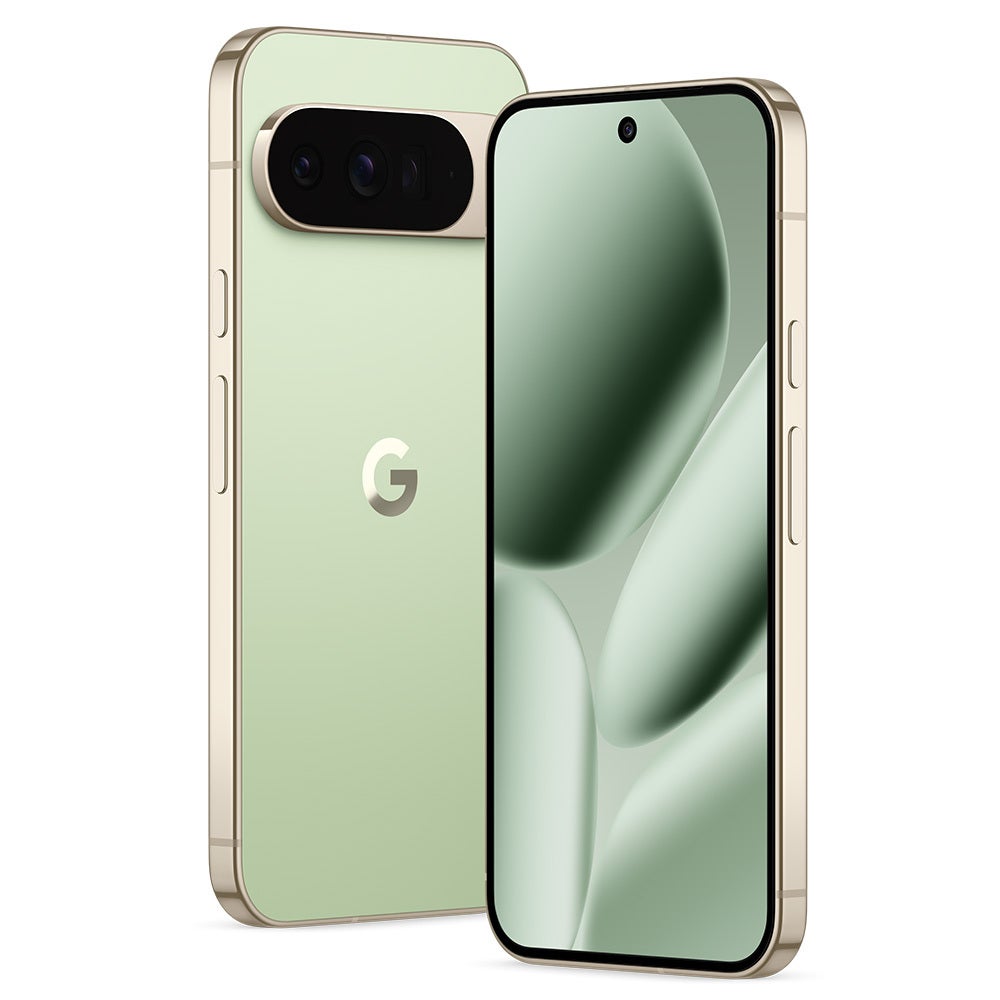
Like every self-respecting "Pro" product, the Pixel 10 Pro XL comes in more muted and grounded colors — not vibrant and saturated. These are Moonstone (gray-ish), Jade (green-ish), Porcelain (white-ish), and Obsidian (dark gray to black). The iPhone 16 Pro Max is similar with its serious-looking Desert Titanium, Natural Titanium, White Titanium, and Black Titanium.
The Pixel 10 Pro XL sports a 6.8-inch Super Actua OLED display, pushing 3,300 nits of peak brightness. Super Actua is Google's tech that makes sure that the colors don't get skewed when you boost brightness — that's a good thing. It also has a 1-120Hz variable refresh rate, beautifully thin bezels, and that vibrant Pixel color tuning.
The iPhone 16 Pro Max? We know it — a 6.9-inch Super Retina XDR OLED (say that 10 times fast) with all the usual Apple punch: ultra-smooth 120Hz ProMotion, industry staple calibration, and a brightness that combats the reflections of the summer sun. But it hits 2,000 nits peak, so much less bragging rights.
You should be happy with both displays, though it's worth noting that the Pixels — being Android and all — do give you some fine controls over color calibration, so you can boost the saturation if that's what you prefer.
Pixel 10 Pro XL
iPhone 16 Pro Max
Size 6.8-inch
Size 6.9-inch
Peak brightness 3,300 nits
Peak brightness 2,000 nits
Performance and Software
Tensor enters the 3nm arena. Apple’s already waiting there.
For the first time ever, Google’s Tensor chip doesn't piggyback off Samsung’s Exynos legacy. The new Tensor G5 is a fully custom SoC, manufactured by TSMC on a 3nm process — the same cutting-edge tech Apple’s already using in its A-series chips.
This could be huge for Pixel. Google states a 34% improvement in CPU speed, which was much needed. Judging by the benchmarks of the Apple A18 Pro and Tensor G4 that we have now — 34% won't get close to toppling Apple. But will get close enough to count as a competitor.
Recommended Stories
The iPhone 16 Pro Max, on the other hand, holds the A18 Pro — a chip we are well acquainted with. Performance is world-class, with the minor caveat that the huge scores drop fast when it heats up and is forced to throttle (they still drop to fairly high numbers, mind you). We don't have high hopes that the Tensor would rival the A18 Pro in direct raw power — Google's silicon has always been about the AI cores and image processing cores, assisting the general function of the Google features on the stock Pixel Android.
Pixel 10 Pro XL
iPhone 16 Pro Max
Chipset Tensor G5 3nm
Chipset Apple A18 Pro 3nm
Memory 16GB
Memory 8GB
Storage 256GB 512GB 1TB
Storage 256GB 512GB 1TB
While the Pixel might dial that RAM up to 16GB, Apple is still playing it cool at 8GB. iPhones typically don't come with a lot of RAM and the entire lineup was basically "forced" to upgrade, kicking and screaming, to a minimum of 8GB because of AI functionality reasons. We guess that's one good thing about the current AI craze.
Android 16 is also dropping with the new Pixel 10 series, with new AI features. Most prominent is the new Magic Cue — on-device AI that will analyze content in real time and give you suggestions and action buttons. Like relevant Quick replies in Messages — it'll intelligently suggest answers to questions like "Where are we meeting next Saturday?", by digging through your Calendar app, for example. You can disable it or set up which apps and details it has access to.
Other AI features include Call Screening improvements, where it can take a message when you reject a call, or more people in the Add Me feature, photo editing by voice alone (remove the glare, add birds in the sky), and some behind-the scenes stuff. All coming on release.
iOS 18 on the iPhone 16 Pro Max has now reached its final form — not the promised form. While we did get the ChatGPT integration, AI text editing features, image editing and even audio editing, the hotly anticipated Siri upgrade has been postponed indefinitely. But the good news is that it should be getting updates at least until late 2029.
Camera
One's a precision shooter. The other’s a computational wizard.
Pixel 10 Pro XL is sticking with the tried-and-true camera setup from last year:
50MP main
48MP ultra-wide
48MP 5x periscope telephoto
42MP selfie
The big upgrade here is that the Google Super Res zoom has... grown. Now called Pro Res Zoom, it reaches up to 100x, from last year's 30x. The iPhone 16 Pro Max still taps out at 25x.
The iPhone 16 Pro Max did get an upgrade — it was the final part of the big camera overhaul, bringing the ultrawide camera up to 48MP to match the main camera. It now has:
48MP main
48MP ultra-wide
12MP 5x periscope telephoto
12MP selfie
Add in Apple’s cinematic video mastery and seamless color science, and you’ve got a mobile camera built for content creators. iPhones are currently hailed as the smartphone to beat specifically for video recording, due to their stabilization, detail, framerate smoothness, and extra features and app ecosystem.
Of course, Google did state that the Pixels are now excellent for that as well. But, again, hold on until we do our extensive testing!
Google is also putting an AI guiding hand when framing a photo. The Pixels will now suggest specific angles when they get a good look at the scene through the viewfinder. We are curious to see if this makes any meaningful suggestions. Samsung has had that feature for a while and we can't say it's been phenomenal.
Pixel 10 Pro XL
iPhone 16 Pro Max
Wide 50MP F1.68
Wide 48MP F1.8
Ultra-wide 48MP F1.7
Ultra-wide 48MP F2.2
Periscope 48MP 5X zoom
Periscope 12MP 5X zoom
Front 42MP F2.2
Front 12MP
Battery Life and Charging
No revolutions. Just reliable power.
Pixel 10 Pro XL comes with a slightly bigger battery, around 5,200 mAh in size. It also ups its charging speeds — 45W on the wire now, and 25W wirelessly. The latter is all thanks to the new Qi2.2 support. That's real Qi2 — with the magnets and all. Google is calling it Pixelsnap and introducing an ecosystem of chargers and stands. Yes, a lot like Apple's MagSafe, which also now delivers 25W on the iPhone 16 Pro Max.
The iPhone 16 Pro Max sticks to a sub-5,000 capacity still, but Apple never chases capacity numbers thanks to its efficiency tunings. The phone has proved that it can confidently last two days, but power users will want to have a charger on hand. Wired charging juices up with 27W.
The Pixel 10 Pro XL is shaping up to be a refined, upgraded, typical yet worthy Google flagship. Custom silicon now upgraded to a 3nm model, more RAM, and Google's camera system chops should make this a phone something to consider — especially for those deep in the Google ecosystem or curious about Gemini AI integration, which is much more fleshed out than Apple Intelligence.
But the iPhone 16 Pro Max? It’s still the one to beat. With Apple’s usual polish, a blistering A18 Pro chip, world-class display, deep iOS optimizations and rich App Store, it’s the benchmark for a reason.
A battle of visions and philosophies, somewhat, if you will. 2025 is just heating up — and let's not forget that there's an iPhone 17 Pro Max waiting just a month from now!
Preslav, a member of the PhoneArena team since 2014, is a mobile technology enthusiast with a penchant for integrating tech into his hobbies and work. Whether it's writing articles on an iPad Pro, recording band rehearsals with multiple phones, or exploring the potential of mobile gaming through services like GeForce Now and Steam Link, Preslav's approach is hands-on and innovative. His balanced perspective allows him to appreciate both Android and iOS ecosystems, focusing on performance, camera quality, and user experience over brand loyalty.
A discussion is a place, where people can voice their opinion, no matter if it
is positive, neutral or negative. However, when posting, one must stay true to the topic, and not just share some
random thoughts, which are not directly related to the matter.
Things that are NOT allowed:
Off-topic talk - you must stick to the subject of discussion
Offensive, hate speech - if you want to say something, say it politely
Spam/Advertisements - these posts are deleted
Multiple accounts - one person can have only one account
Impersonations and offensive nicknames - these accounts get banned
To help keep our community safe and free from spam, we apply temporary limits to newly created accounts:
New accounts created within the last 24 hours may experience restrictions on how frequently they can
post or comment.
These limits are in place as a precaution and will automatically lift.
Moderation is done by humans. We try to be as objective as possible and moderate with zero bias. If you think a
post should be moderated - please, report it.
Have a question about the rules or why you have been moderated/limited/banned? Please,
contact us.







 FCC OKs Cingular\'s purchase of AT&T Wireless
Things that are NOT allowed:
To help keep our community safe and free from spam, we apply temporary limits to newly created accounts: