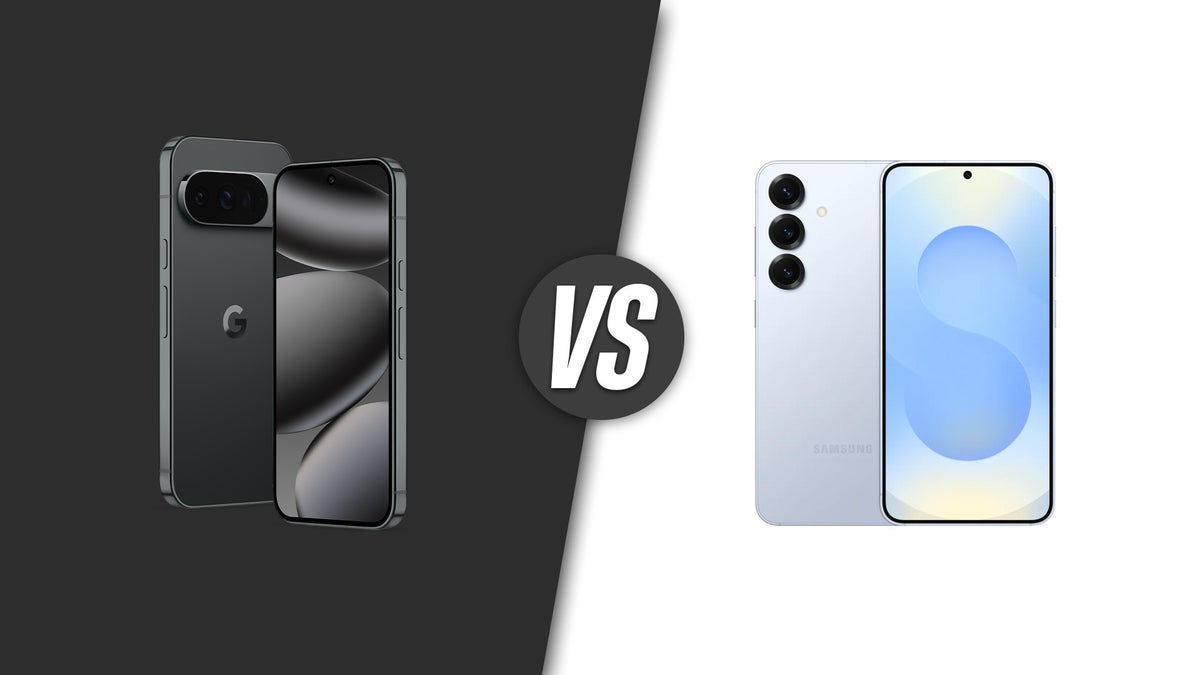
Pixel 10 Pro vs Galaxy S25: Which one is the better compact Android flagship?
The fierce battle for the compact Android flagship crown is about to get even more intense
We may earn a commission if you make a purchase from the links on this page.
Intro
The new Pixel family—the Pixel 10 series—is finally here! Google struck a chord with the previous generation and now looks to capitalize on the momentum with the new Pixels.
The Pixel 10 Pro is now the compact and powerful offering in the portfolio, after Google switched things around with the introduction of the Pixel 9 Pro XL last year. The new Pro model will fight for the compact Android crown, and its main rival will be the Galaxy S25.
Today we're going to pit these two against each other and see which one deserves the compact Android crown.
The Pixel 10 Pro is now the compact and powerful offering in the portfolio, after Google switched things around with the introduction of the Pixel 9 Pro XL last year. The new Pro model will fight for the compact Android crown, and its main rival will be the Galaxy S25.
Today we're going to pit these two against each other and see which one deserves the compact Android crown.
Pixel 10 Pro vs Galaxy S25 differences:
| Pixel 10 Pro | Galaxy S25 |
|---|---|
| Same design as the Pixel 9 Pro, more or less | Flat sides, front and back, separate housings for the camera |
| A tad bigger, heavier | It's more compact and lighter |
| 50MP main, 48MP ultrawide, 48MP telephoto camera setup | 50MP main, 12MP ultrawide, 10MP telephoto |
| 1-120Hz AMOLED main display, 3300 nits brightness | 120Hz AMOLED display, slightly lower peak brightness |
| Bigger display at 6.3 inches, same pixel density | 6.2-inch display, 1080 x 2340 pixels resolution |
| Google Tensor G5 chipset | Snapdragon 8 Elite for Galaxy probably faster |
| 16GB of RAM | 12GB of RAM here |
| Bigger 4,870 mAh battery, potentially better battery life | 4,000 mAh battery |
| 30W wired charging 15W wireless (Qi2) | 25W wired 15W wireless charging |
| More expensive at $999 base price | Cheaper at $799 for the base model |
Table of Contents:
Also read:
Design and Size
Flat flagships

It seems that Google has decided not to make any sudden movements with the Pixel 10 Pro when it comes to design choices. The phone is very similar to its predecessor, with the same flat front, back, and sides, and also the same camera bump on the back.
The Galaxy S25 is also features a flat design, staple of the Galaxy S series design of the past couple of generations, and it's quite similar to what Pixel introduced last year. The S25 is a tad more compact, though, due to the ever-so-slightly smaller screen and the thinner design. The Galaxy flagship is also much lighter, we're talking about a 45-gram difference, so bear that in mind.
| Pixel 10 Pro | Galaxy S25 |
|---|---|
| Thickness 8.6 mm | Thickness 7.2 mm |
| Dimensions 152.8 x 72 | Dimensions 146.9 x 70.5 |
| Weight 207 grams | Weight 162 grams |
When it comes to building blocks, the same glass and metal sandwich is present on both devices. The Galaxy S25 uses Gorilla Glass Victus 2 for protection, and we have the exact same material on the Pixel 10 Pro.
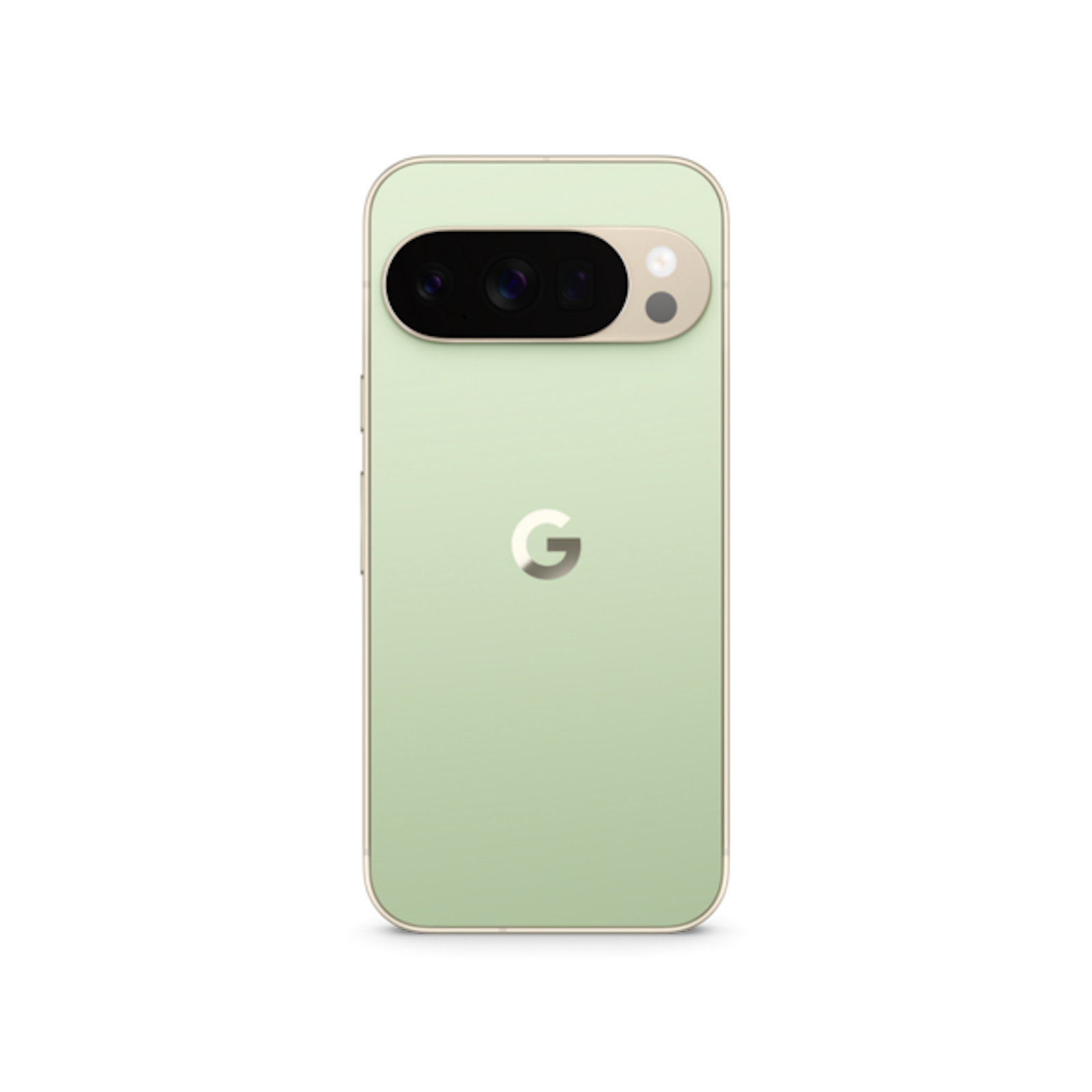
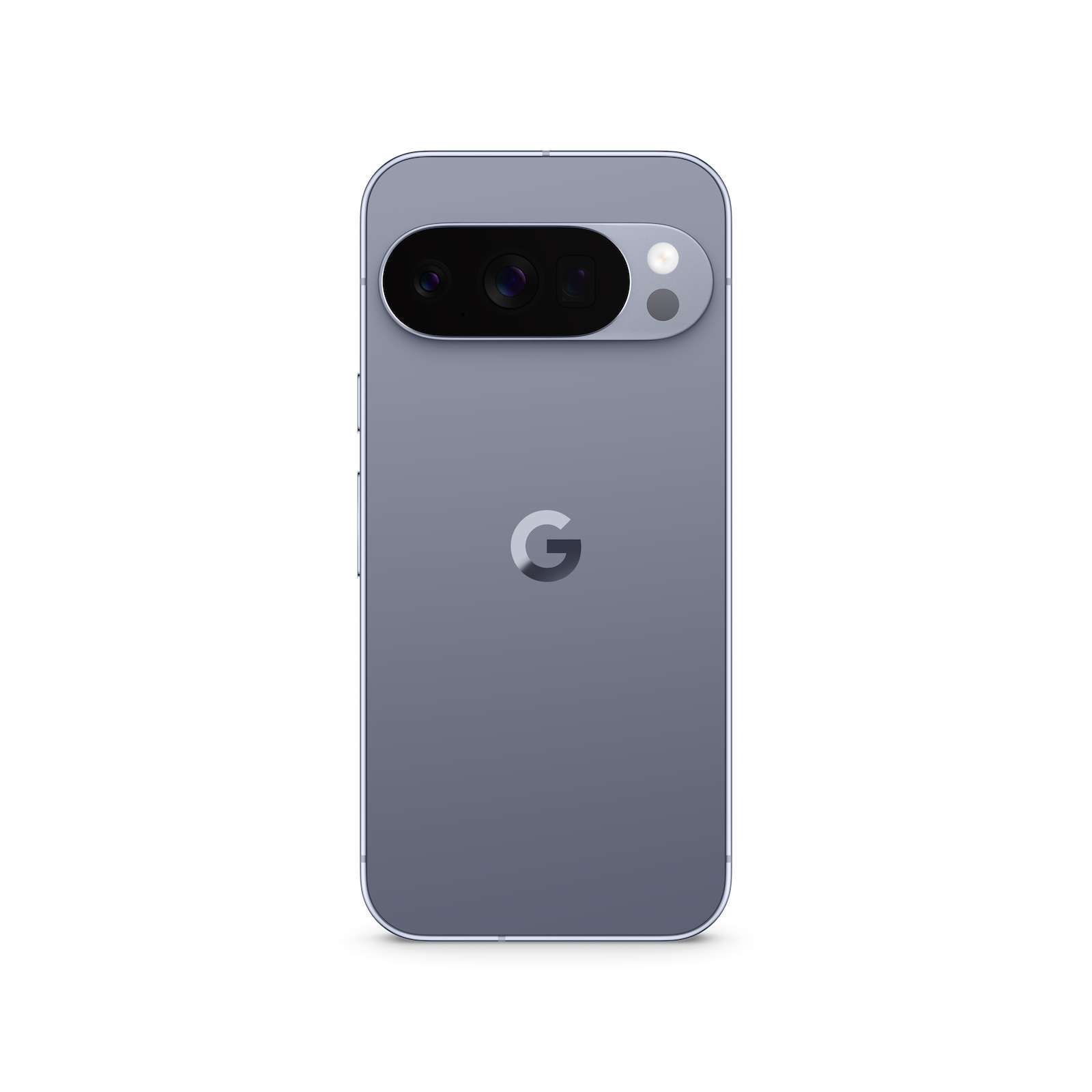
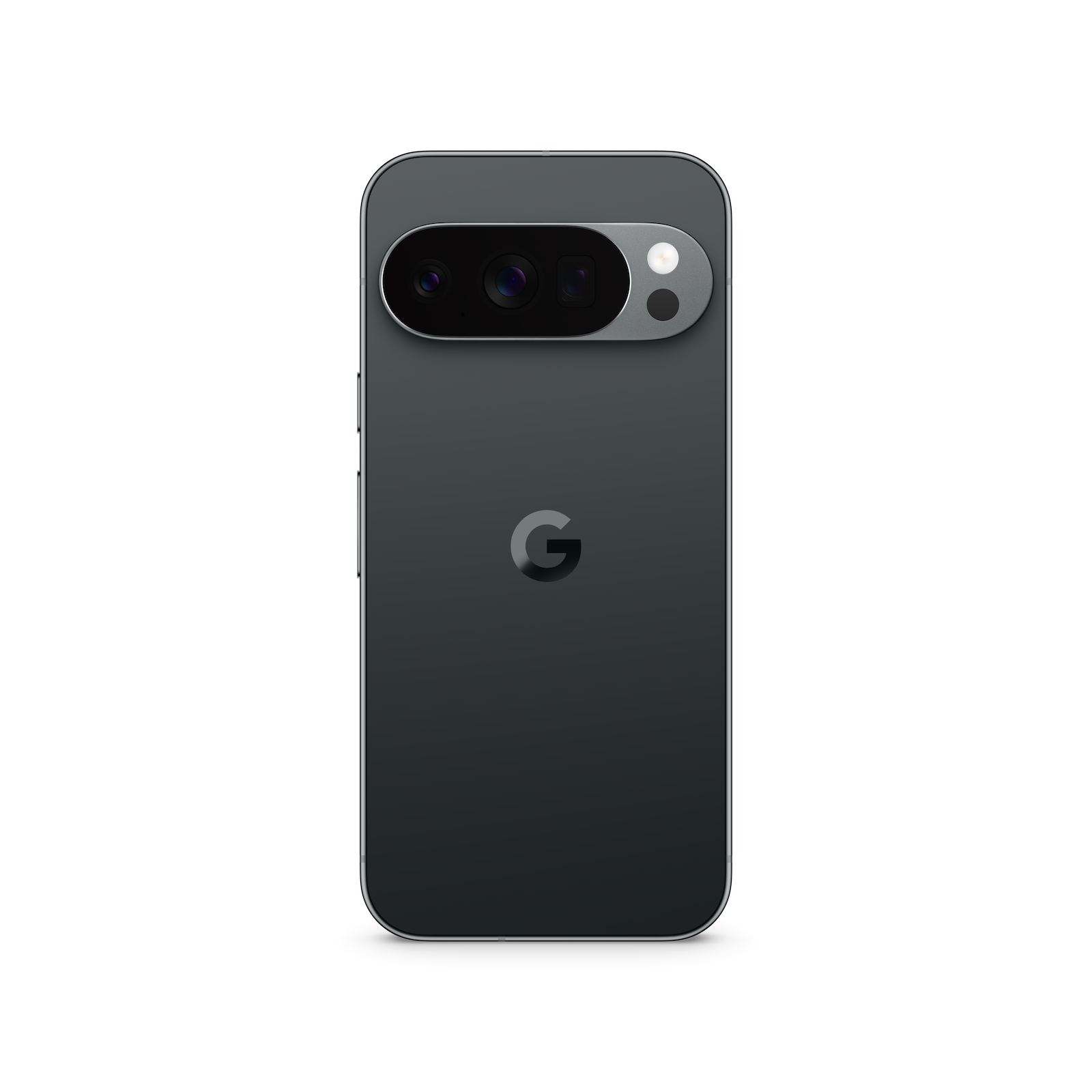
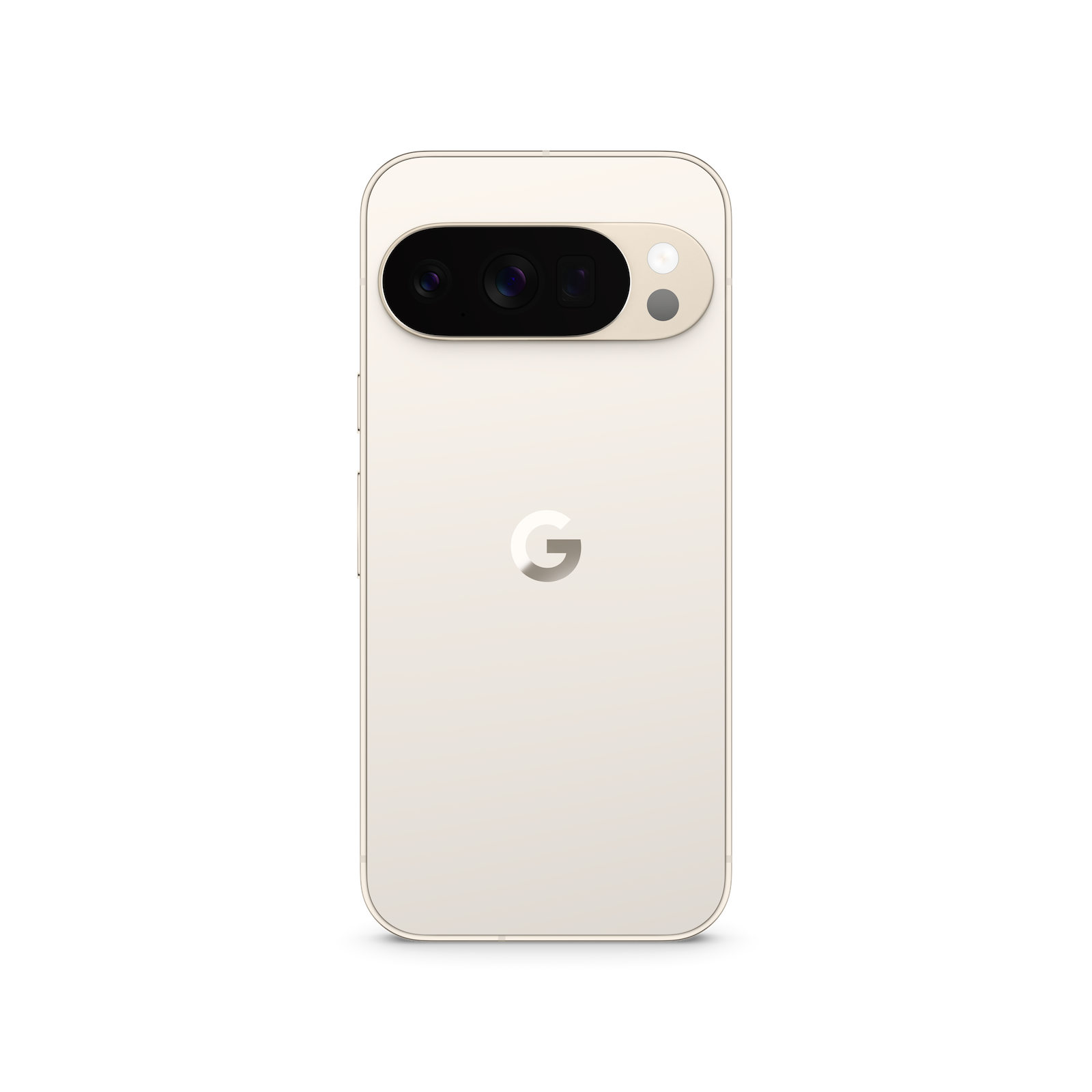
Color-wise, the Galaxy S25 is available in a bunch of hues (some of which are Samsung exclusives), while the Pixel 10 Pro is a bit more conservative in that regard, matching the hues of the previous generation and adding two new colors—Jade (light green) and Moonstone (graphite gray).
| Pixel 10 Pro colors | Galaxy S25 colors |
|---|---|
| Obsidian | Blue Black (Samsung exclusive) |
| Porcelain | Silver Shadow |
| Jade | Navy |
| Moonstone | Icy Blue |
| - | Mint |
| - | Pink Gold (Samsung exclusive) |
| - | Coral Red (Samsung exclusive) |
Display Differences
Advantage Pixel
We're in a smartphone territory where even budget phones now have great screens. The arms race, so to speak, now boils down to brightness. The Pixels, however, managed to top our display brightness tests with the last generation, so we expect good things from the Pixel 10 Pro. Google promises 3,300 nits of peak brightness, so we can't wait to finish our lab tests and check this claim.
In terms of screen size and technology, there's nothing groundbreakingly new compared to the last model. We're talking about a 6.3-inch OLED display with a 1280 x 2856 pixel resolution, resulting in around 495 PPI pixel density. It's an LTPO panel with a dynamic 1-120 Hz refresh rate.
In terms of screen size and technology, there's nothing groundbreakingly new compared to the last model. We're talking about a 6.3-inch OLED display with a 1280 x 2856 pixel resolution, resulting in around 495 PPI pixel density. It's an LTPO panel with a dynamic 1-120 Hz refresh rate.
| Pixel 10 Pro | Galaxy S25 |
|---|---|
| Size 6.3" | Size 6.2" |
| Brightness 3300 nits (peak) | Brightness 2600 nits (peak) |
The Galaxy S25, on the other hand, comes with an ever-so-slightly smaller 6.2-inch Super AMOLED screen, and it also has a lower resolution of 1080 x 2340 pixels. This puts the pixel density at around 416 PPI, and the advertised peak brightness is 2600 nits (compared to the 3300 nits cited in the Pixel 10 Pro specs sheet).
This will require some lab testing, and we will add a proper display test results once we get the Pixel 10 Pro, but the early signs tell us that the Google phone will potentially have a slight advantage in this department—both in display brightness and also in detail and sharpness.
This will require some lab testing, and we will add a proper display test results once we get the Pixel 10 Pro, but the early signs tell us that the Google phone will potentially have a slight advantage in this department—both in display brightness and also in detail and sharpness.
Performance and Software
A new Tensor, but Snapdragon for Galaxy makes a stand
The Pixel 10 Pro now comes equipped with a next-generation Tensor G5 processor. Google moved the manufacturing from Samsung Foundries to TSMC and also tweaked the architecture of the Tensor G5, so there's some potential gains to be had.
Google says that these gains has numerical values of 34% increase in CPU performance compared to the last generation, and 60% in TPU performance (which measures AI-related performance).
The Galaxy S25 managed around 3000 and 9000 points in the Geekbench single- and multi-core tests, which is a normal result for a Snapdragon 8 Elite phone. It will be pretty interesting to see how the new Tensor G5 will fare, especially given that it will be produced by TSMC on a new 3nm node and the architecture is brand-new as well.
The Galaxy S25 managed around 3000 and 9000 points in the Geekbench single- and multi-core tests, which is a normal result for a Snapdragon 8 Elite phone. It will be pretty interesting to see how the new Tensor G5 will fare, especially given that it will be produced by TSMC on a new 3nm node and the architecture is brand-new as well.
| Pixel 10 Pro | Galaxy S25 |
|---|---|
| Chip Google Tensor G5 | Chip Qualcomm Snapdragon 8 Elite |
| Process 3nm | Process 3nm |
| RAM 16GB | RAM 12GB |
The Pixel 10 Pro comes equipped with the same 16GB of RAM as its predecessor, which puts it slightly ahead of the Galaxy S25 and its 12GB of RAM. It's not a super-important metric nowadays, as 12GB are more than enough, but the Pixel has a little more wiggle room to accommodate new AI tricks.
The Galaxy S25 was updated to OneUI 8 recently and this UI comes on top of Android 15. The Pixel 10 Pro launched running Android 16 out of the box, and it will be supported for seven long years, just like the Galaxy S25.
Camera
Software is king
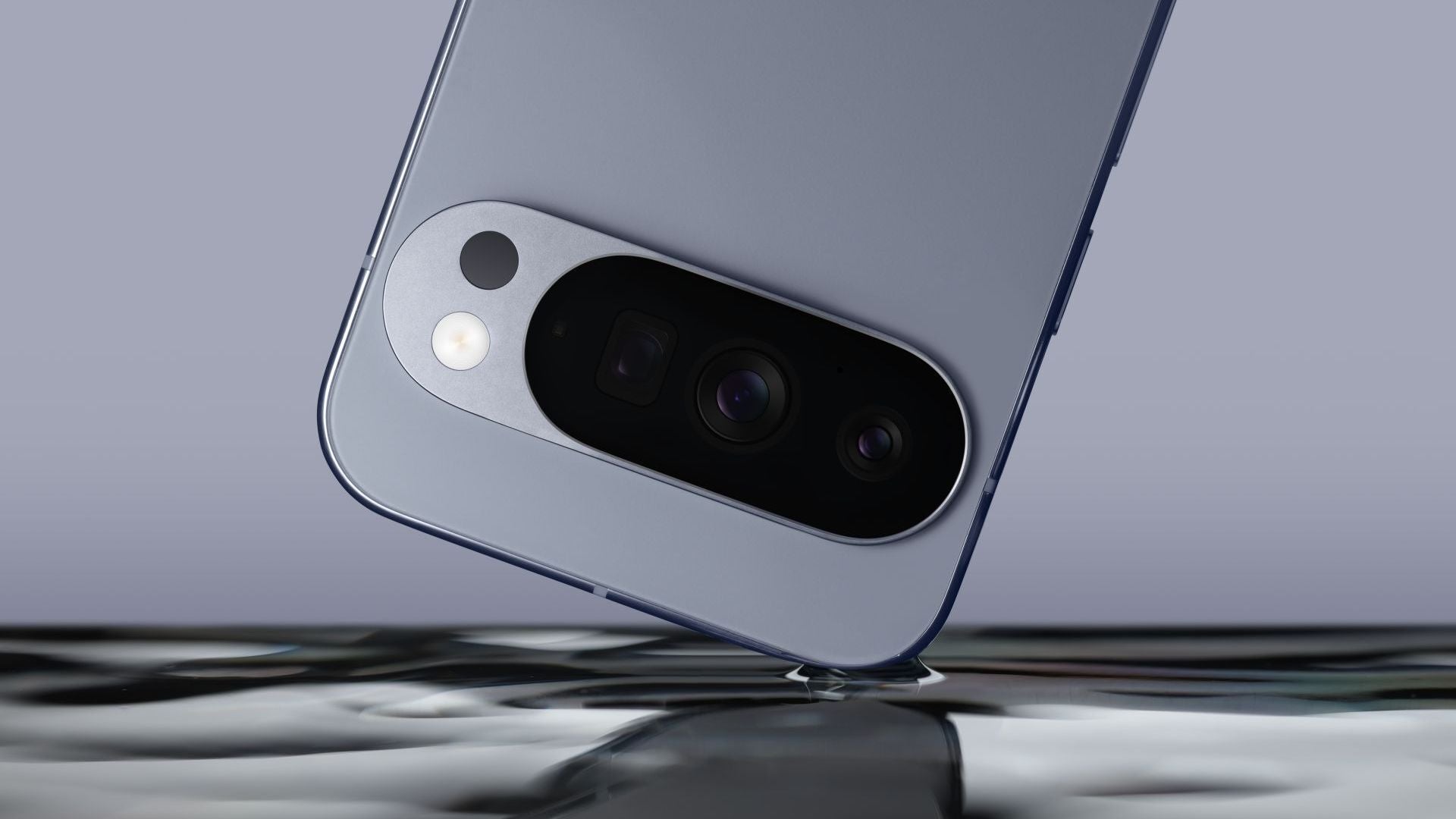
There are no hardware changes on the Pixel 10 Pro when it comes to the camera setup. The phone uses the same three sensors and the same lenses on top that can be found on the predecessor. Namely, a 50MP main camera, a 48MP ultrawide, and a 48MP periscope telephoto with 5x optical zoom.
It's a flexible and powerful system, so there's no real need for an upgrade, but there are a slew of new AI features on board. The Camera Coach leverages Gemini's power to analyze the scene you're shooting and offer tweaks for the best possible result. There are also upgrades to the Best Shot feature, and the Add Me as well, all powered by Gemini and the new Tensor G5.
The Galaxy S25 comes with a similar triple camera setup, but on paper the ultrawide and telephoto cameras seem inferior to what the Pixel 10 Pro has on board. The main camera is very similar, though, sporting a 50MP sensor under an f/1.8 aperture lens.
The Galaxy S25 comes with a similar triple camera setup, but on paper the ultrawide and telephoto cameras seem inferior to what the Pixel 10 Pro has on board. The main camera is very similar, though, sporting a 50MP sensor under an f/1.8 aperture lens.
We will need to test the Pixel 10 Pro in our lab to produce our camera score and also snap side-by-side photos to be able to see what real-life differences these two exhibit.
| Pixel 10 Pro | Galaxy S25 |
|---|---|
| Main 50 MP f/1.7 25 mm (wide) 1/1.31" | Main 50 MP f/1.8 24 mm (wide) 1/1.56" |
| Ultrawide 48 MP f/1.7 13 mm (ultrawide) 123 FOV | Ultrawide 12 MP f/2.2 13 mm (ultrawide) 120 FOV |
| Telephoto 48 MP f/2.8 113mm 5x optical zoom | Telephoto 10 MP f/2.4 67mm 3x optical zoom |
Speaking of camera scores, the Galaxy S25 managed an overall score of 147 (out of 158), which is a pretty decent result! The Pixel 9 Pro (which features the same hardware as the one on the Pixel 10 Pro) managed 151 (very close to the current best), so we expect good things from Google's next flagship, potentially winning this round as well. Stay tuned!
Battery Life and Charging
Another win for the Pixel?
The Google Pixel 10 Pro comes equipped with a slightly upgraded 4,870mAh battery on board, which is pretty good considering the size of the phone. In contrast, the Galaxy S25 features a 4,000 mAh cell—a bit on the lower side nowadays.
Capacity doesn't always tell the full story, though. Last year, the Pixel 9 Pro suffered low efficiency, probably due to Tensor G4 issues, and ranked #66 overall, having a 4,700 mAh battery, not that much smaller than the one inside the Pixel 10 Pro. The Galaxy S25 scored 7h 6m overall in the same test, which ranks it #60 among all phones tested in the past 2 years.
Now, the Tensor G5 is built on a different node and by a different manufacturer, so there are potential efficiency gains to be had. On paper, the Pixel 10 Pro should outperform the S25, but we have to wait and test this ourselves.
Now, the Tensor G5 is built on a different node and by a different manufacturer, so there are potential efficiency gains to be had. On paper, the Pixel 10 Pro should outperform the S25, but we have to wait and test this ourselves.
| Pixel 10 Pro | Galaxy S25 |
|---|---|
| Battery capacity 4,870 mAh | Battery capacity 4,000 mAh |
Charging speeds Up to 30W wired 15W wireless charging (Qi standard) USB-C | Charging speeds 25W wired 15W wireless charging USB-C |
The charging speeds are pretty low on the Galaxy S25 with 25W wired charging support and 15W wireless. Other manufacturers now offer three-digit charging speeds (Motorola comes to mind), but Google is not breaking any records with the Pixel 10 Pro either.
The phone supports up to 30W of wired power charging speed and the new Qi2 wireless standard, which is capped at 15W on the Pixel 10 Pro. The important news here is that Qi2 comes with magnets (much like MagSafe) and holds potential for cool third-party accessories (wallets, power banks). Google announced a couple of Qi2 chargers under the Pixelsnap brand, but expect more to start popping up soon.
The phone supports up to 30W of wired power charging speed and the new Qi2 wireless standard, which is capped at 15W on the Pixel 10 Pro. The important news here is that Qi2 comes with magnets (much like MagSafe) and holds potential for cool third-party accessories (wallets, power banks). Google announced a couple of Qi2 chargers under the Pixelsnap brand, but expect more to start popping up soon.
Charging tests and battery benchmarks to follow.
Specs Comparison
Here's a quick specs comparison between the Pixel 10 Pro and the Galaxy S25:
| Pixel 10 Pro | Galaxy S25 |
|---|---|
| Size, weight 152.8 x 72 x 8.6 mm 207 g | Size, weight 146.9 x 70.5 x 7.2 mm 162 g |
| Screen Main: 6.3" OLED 1-120Hz 3300 nits peak | Screen Main: 6.2" AMOLED 1-120Hz 2600 nits peak |
| Processor Google Tensor G5 3nm | Processor Qualcomm Snapdragon 8 Elite 3nm |
| Versions: 16/128GB 16/256GB 16/512GB 16/1TB LPDDR5 | Versions: 12/128GB 12/256GB 12/512GB LPDDR5 |
| Cameras: 50MP main 48MP ultrawide 48MP periscope telephoto 5x 42MP front | Cameras: 50MP main 12MP ultrawide 10MP telephoto 3x 10MP front |
| Battery: 4,870 mAh | Battery: 4,000 mAh |
| Charging: USB-C 30W wired 15W wireless charging (Qi2) | Charging: USB-C 25W wired 15W wireless charging |
Also read:
Summary
Which one is better, then? The Galaxy S25 or the Pixel 10 Pro? Even at this preliminary stage, it seems that the Google flagship offers a better package. It comes with a bigger and brighter screen, more RAM, a better camera setup, a bigger battery, and faster charging plus Qi2 support with magnets and accessories.
Now, all this comes at a price, as the Pixel 10 Pro starts at $999 for the 16/128GB version. The Galaxy S25, on the other hand, is $200 cheaper, comes with a faster processor, and even though the camera system might not win the pixel race (pun intended), it's a decent and flexible setup nonetheless.
We need more information, and we will get it once the Pixel 10 Pro lands on our test bench. Stay tuned for benchmarks and camera comparisons soon, as well as a final verdict on the fight for the compact Android flagship crown.
Now, all this comes at a price, as the Pixel 10 Pro starts at $999 for the 16/128GB version. The Galaxy S25, on the other hand, is $200 cheaper, comes with a faster processor, and even though the camera system might not win the pixel race (pun intended), it's a decent and flexible setup nonetheless.
We need more information, and we will get it once the Pixel 10 Pro lands on our test bench. Stay tuned for benchmarks and camera comparisons soon, as well as a final verdict on the fight for the compact Android flagship crown.

Follow us on Google News








 FCC OKs Cingular\'s purchase of AT&T Wireless
Things that are NOT allowed:
To help keep our community safe and free from spam, we apply temporary limits to newly created accounts: