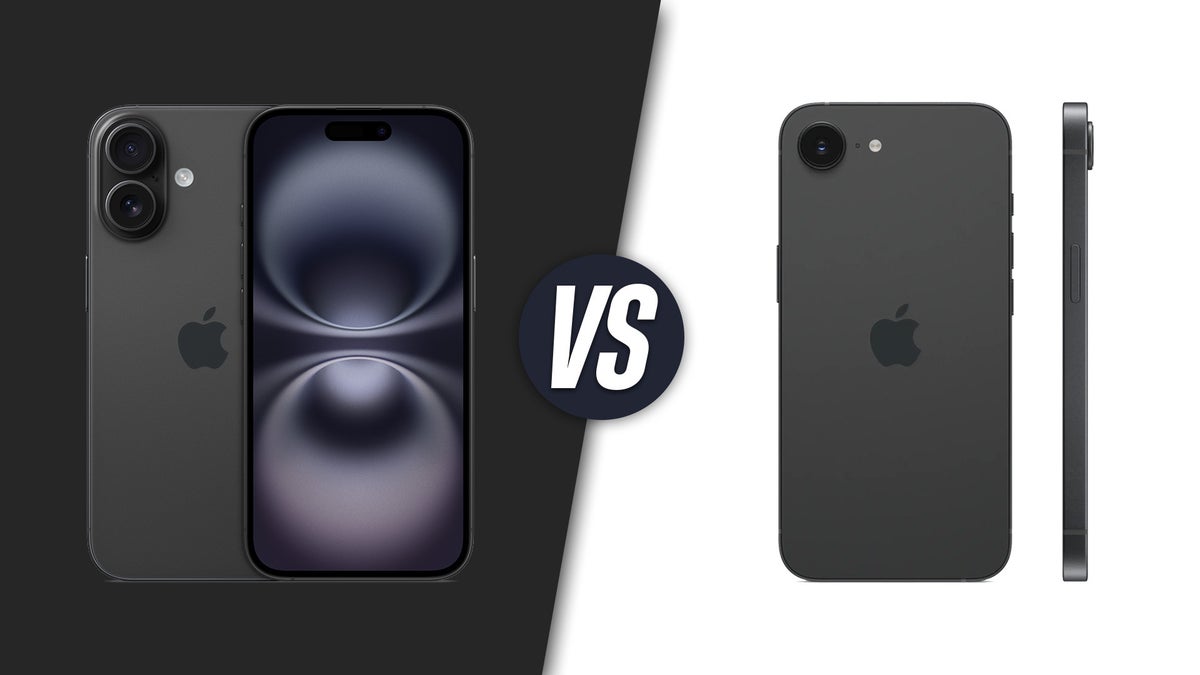
Apple may have wrapped up its SE line, but with the iPhone 16e it introduced a new kind of entry-level iPhone — one with flagship-grade performance and a modern design at a lower price.
But now the iPhone 17 is almost here, and it is expected to introduce a sleeker frame, thinner bezels, a 120Hz display, and a sharper 24 MP selfie camera. Not all rumors are good, though, as some point to a $50 price bump, which would make the base model even more expensive than the iPhone 16e’s $600.
This sets up an interesting choice for buyers: stick with the value-first iPhone 16e, which has great performance but limited hardware, or pay extra for the iPhone 17’s display, camera, and charging upgrades? Let’s break it down.
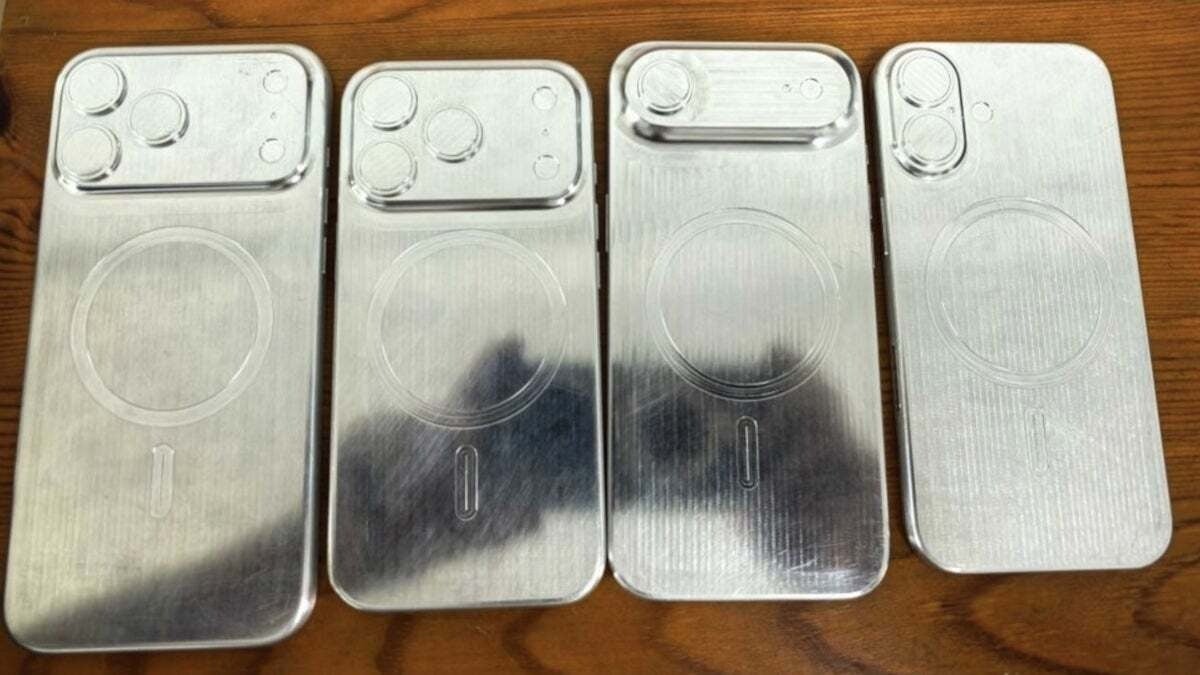
Metal molds that show what the iPhone 17 line will presumably look like. | Image credit – Sonny Dickson via AppleInsider
The iPhone 17 is expected to feature a new “spliced” frame design that softens the transition between glass and aluminum, improving ergonomics compared to the flatter, boxier iPhone 16e. Bezels are also said to shrink noticeably, thanks to Apple’s Border Reduction Structure (BRS) technology borrowed from the Pro line.
The iPhone 16e reuses the older iPhone 14-style flat design, with thicker borders around the screen and a more basic build overall. It has the Action Button, but lacks the newer Camera Control button, and still uses a notch rather than the Dynamic Island.
iPhone 17*
iPhone 16e
Thickness ~6.25 mm
Thickness 7.8 mm
Dimensions ~147 × 71 mm
Dimensions 146.7 x 71.5
Weight ~170 g
Weight 167 g
*expected
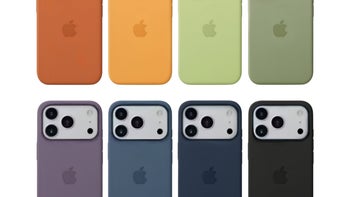
Both models are built with aluminum frames and glass backs, though the iPhone 17 should feel more premium in-hand thanks to the thinner bezels and smoother curves. Color options for the iPhone 17 may include new green and purple shades, while the iPhone 16e stuck to more conservative finishes.
Display Differences
One of the most exciting iPhone 17 upgrades is the display. Apple is reportedly equipping it with the same Samsung-supplied OLED panel as the iPhone 16 Pro, which allows for ProMotion 120Hz refresh rate — a huge jump over the 60Hz screen on the iPhone 16e.
This display is also expected to be brighter (at 2000 nits peak brightness) and more efficient, thanks to LTPO (low-temperature polycrystalline oxide) tech, which enables variable refresh rates and better battery life.
According to leaks, the iPhone 17 will use the same Samsung-supplied OLED panel as the iPhone 16 Pro, offering up to 2000 nits of peak brightness — a big step up from the iPhone 16e’s 1200 nits.
iPhone 17*
iPhone 16e
Size 6.3"
Size 6.1"
Brightness 2000 nits
Brightness 1200 nits
*expected
Meanwhile, the iPhone 16e makes do with a standard 60Hz OLED screen at 6.1 inches. While it’s a big improvement over the LCD on the iPhone SE it replaces, it is definitely a downgrade from 120Hz screens.
Performance and Software
A19 vs A18: AI-ready vs cost-focused
The iPhone 16e already punches above its weight with the A18 chip — the same silicon used in the iPhone 16. Performance is excellent, but it lacks some of the future-proofing of upcoming AI features, partly because of its limited 6 GB RAM and lack of UWB support.
The iPhone 17 will step up to the new A19 chip, built on TSMC’s refined 3nm N3P process. Apple is also said to include its first custom Wi-Fi 7 chip, while keeping Qualcomm modems for cellular. RAM is expected to remain at 8 GB, with storage possibly starting at 256 GB.
iPhone 17*
iPhone 16e
Chip A19
Chip A18
Process 3nm N3P
Process 3nm N3E
RAM, Storage 8/128 GB 8/256 GB 8/512 GB
LPDDR5X RAM NVMe storage
RAM, Storage 8/128 GB 8/256 GB 8/512 GB
LPDDR5X RAM NVMe storage
iOS 26 brings the glow-up
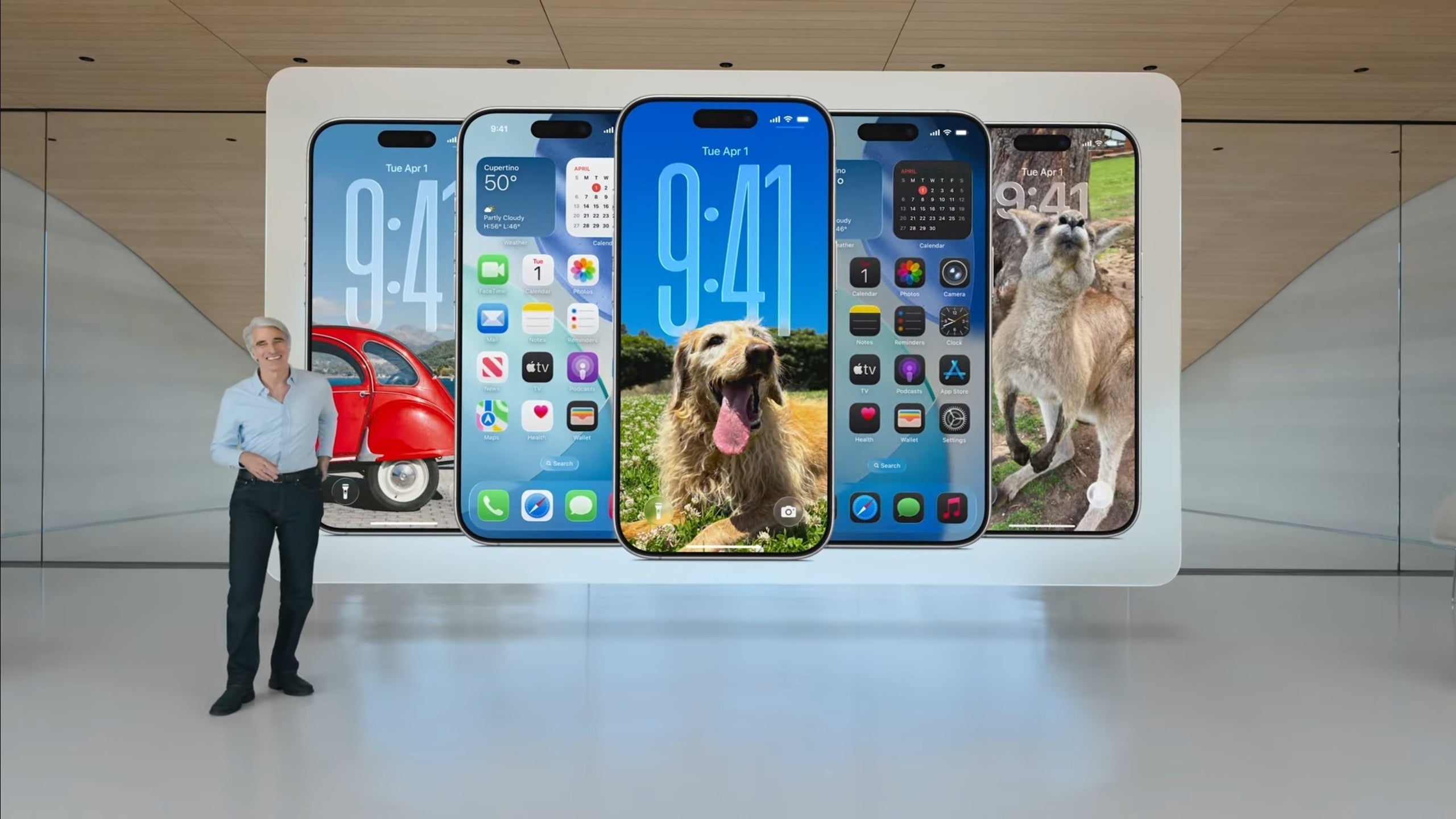
Both phones will launch with iOS 26, and this year’s update doesn’t just polish, it completely changes how iOS looks and feels.
Apple is introducing a new Liquid Glass design, which brings layered transparency and soft reflections across the system. It can look very subtle, or you can go all-in with the new Clear Look mode, which gives your phone a more transparent, almost sci-fi interface.
The lock screen gets a new animated wallpaper that shifts and morphs depending on time and notifications, and the Music app now displays full-screen animated album art that feels alive.
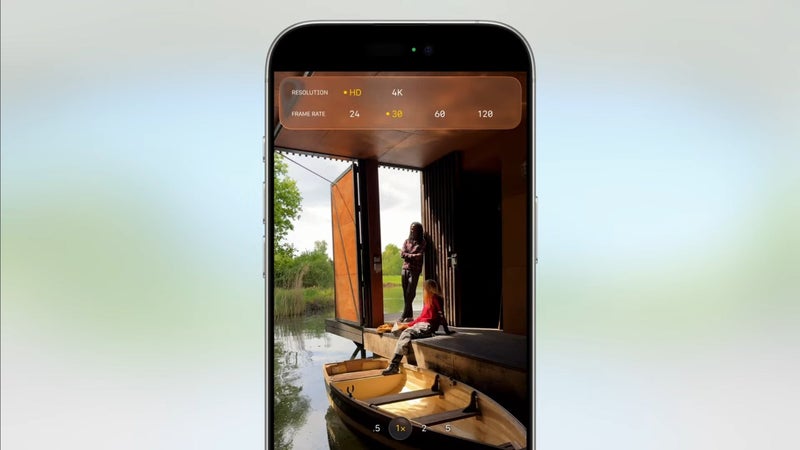
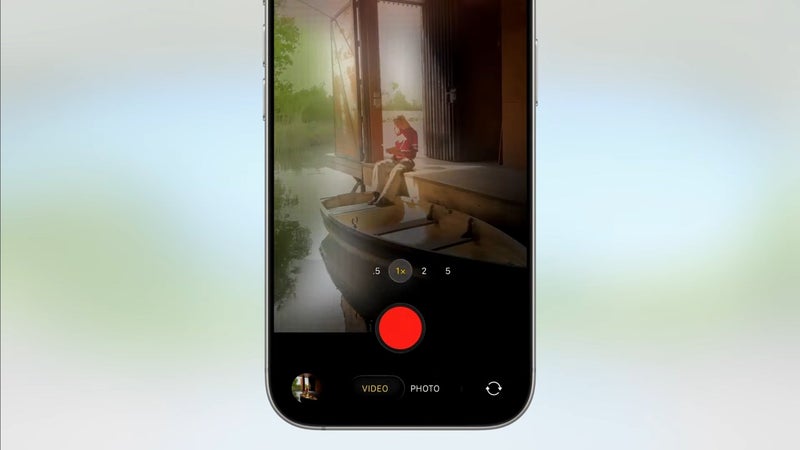
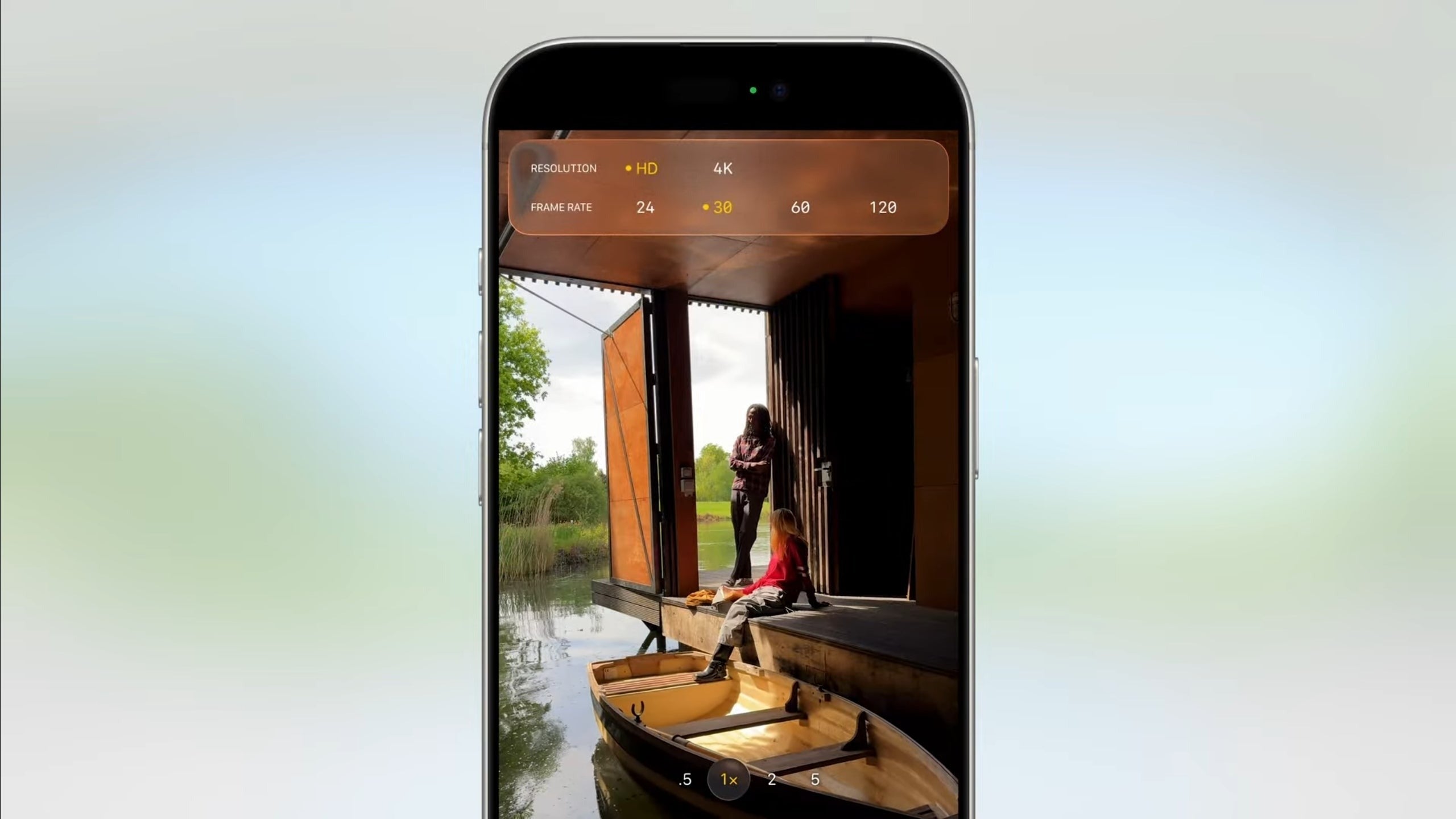
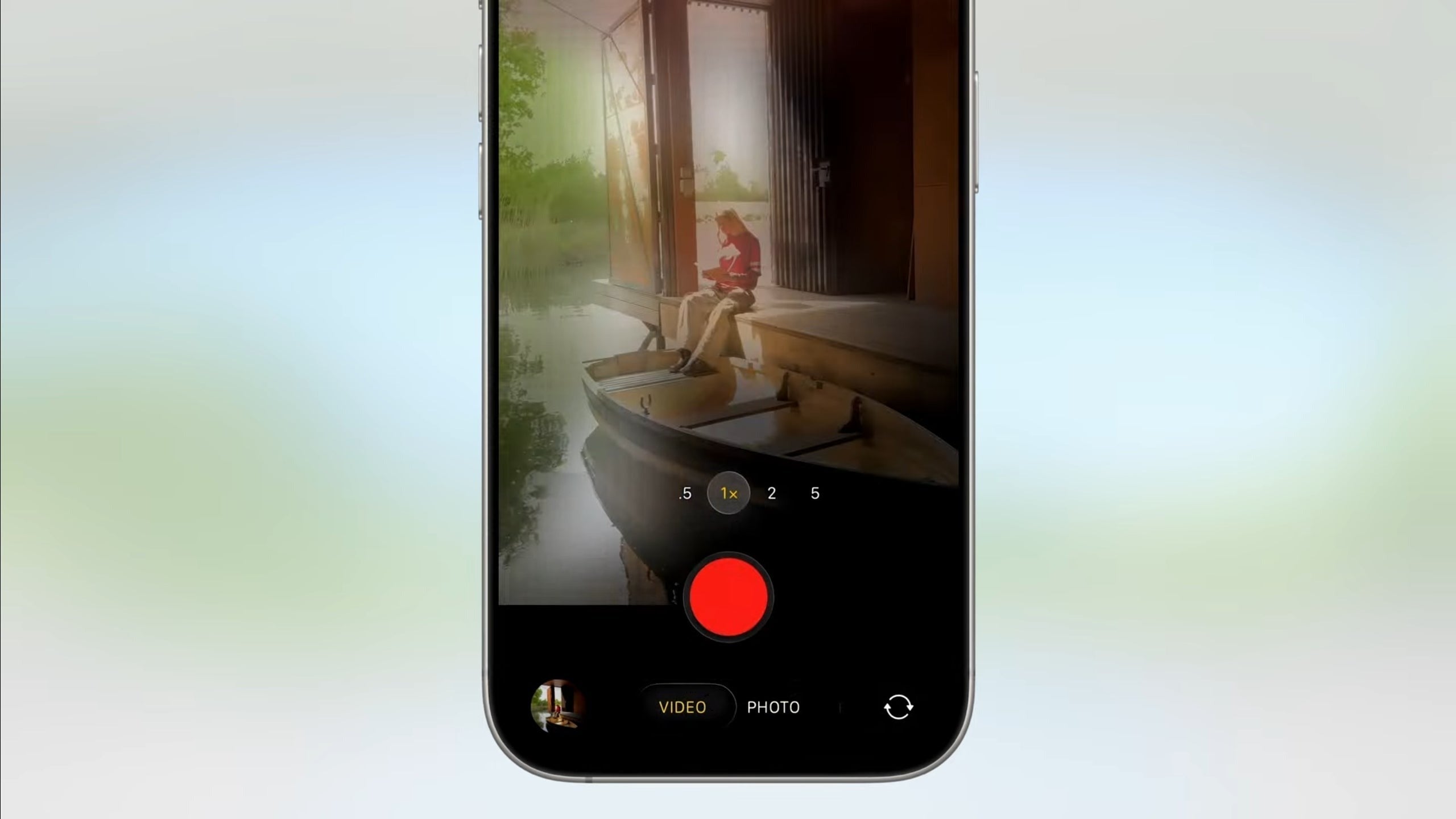
The Camera app has been decluttered too — now, only the Photo and Video modes are visible, with everything else is hidden behind swipes gestures. Apple also fixed the Photos app layout, making your albums easier to find, kind of like what the old version used to be.
Call Screening and Spam Filtering are coming to both the Phone and Messages apps, and Live Translate now works in real-time during calls — a long overdue answer to Android’s version. You’ll also find typing indicators, custom chat backgrounds, and even polls for group conversations in Messages.
Recommended Stories
Both the iPhone 17 and iPhone 16e will support iOS 26, but keep in mind that Apple Intelligence features are still on a staggered rollout. Neither phone is expected to get the full AI experience right away, especially not the smarter Siri, which is still in development and coming later.
Camera
iPhone 17 adds sharper selfie cam, 16e keeps basic setup
The iPhone 17 will stick to a dual rear camera setup: 48 MP main and 12 MP ultra-wide. The standout upgrade is expected on the front — a new 24 MP selfie camera that’s coming across the whole lineup.
The iPhone 16e has a single 48 MP rear camera with no ultra-wide or zoom options, so you are limited when it comes to how your photos and videos look. Speaking of video, quality is excellent, although you don't have the Cinematic and Action modes.
As for the 16e’s selfie camera, it is decent but clearly dated.
iPhone 17*
iPhone 16e
Main 48 MP, f/1.6 26 mm 1/1.56" sensor size
Main 48 MP, f/1.6 26 mm 1/2.55" sensor size
12 MP, f/2.2 13mm
N/A
24 MP
12 MP
*expected
The Camera Control button remains exclusive to more premium models (not that it's a big loss), but the AI-based Visual Intelligence features will be available between both.
Battery Life and Charging
iPhone 17 could gain better charging, 16e packs bigger battery
The iPhone 17 is rumored to feature a 3,600 mAh stacked battery, with 35W wired charging and 25W Qi2.2 wireless charging. There's also word that the new model will support Qi2.2, which will opens the door to faster third-party options.
iPhone 17*
iPhone 16e
Battery size ~3,600 mAh
Battery size 4005 mAh
Charging speeds 35W wired 25W Qi2.2 USB-C 2.0
Charging speeds 20W wired 7.5W Qi2.2 USB-C 2.0
*expected
The iPhone 16e has a surprisingly large 4,005 mAh battery — bigger than even the iPhone 15. That makes it strong on web browsing endurance, though it only charges at 20W wired and 7.5W wireless without MagSafe magnets.
Charging: USB-C 35W wired 25W wireless via MagSafe
Charging: USB-C 20W wired 7.5W wireless, no MagSafe
*expected
Summary
The iPhone 16e marked Apple’s new entry-level strategy, delivering A18 performance and solid value at $600. But its compromises are clear: a 60Hz display, only one rear camera, and dated charging speeds.
The iPhone 17 is shaping up to be the complete “base” iPhone many users have been waiting for. With ProMotion, thinner bezels, a sharper 24 MP selfie camera, and faster 35W/25W charging, it looks and feels much closer to a Pro model.
The catch? Price. At a rumored $850, the iPhone 17 moves away from value territory and into premium territory, leaving the iPhone 16e as the budget-friendly choice.
If you want the most affordable entry into iOS with flagship performance, the iPhone 16e is still hard to beat. But if you can stretch your budget, the iPhone 17 delivers the modern iPhone experience without needing to go Pro.
Aleksandar is a tech enthusiast with a broad range of interests, from smartphones to space exploration. His curiosity extends to hands-on DIY experiments with his gadgets, and he enjoys switching between different brands to experience the latest innovations. Prior to joining PhoneArena, Aleksandar worked on the Google Art Project, digitizing valuable artworks and gaining diverse perspectives on technology. When he's not immersed in tech, Aleksandar is an outdoorsman who enjoys mountain hikes, wildlife photography, and nature conservation. His interests also extend to martial arts, running, and snowboarding, reflecting his dynamic approach to life and technology.
A discussion is a place, where people can voice their opinion, no matter if it
is positive, neutral or negative. However, when posting, one must stay true to the topic, and not just share some
random thoughts, which are not directly related to the matter.
Things that are NOT allowed:
Off-topic talk - you must stick to the subject of discussion
Offensive, hate speech - if you want to say something, say it politely
Spam/Advertisements - these posts are deleted
Multiple accounts - one person can have only one account
Impersonations and offensive nicknames - these accounts get banned
To help keep our community safe and free from spam, we apply temporary limits to newly created accounts:
New accounts created within the last 24 hours may experience restrictions on how frequently they can
post or comment.
These limits are in place as a precaution and will automatically lift.
Moderation is done by humans. We try to be as objective as possible and moderate with zero bias. If you think a
post should be moderated - please, report it.
Have a question about the rules or why you have been moderated/limited/banned? Please,
contact us.







 FCC OKs Cingular\'s purchase of AT&T Wireless
Things that are NOT allowed:
To help keep our community safe and free from spam, we apply temporary limits to newly created accounts: