Google Pixel 10 vs Pixel 9a: Main differences
We may earn a commission if you make a purchase from the links on this page.
Intro
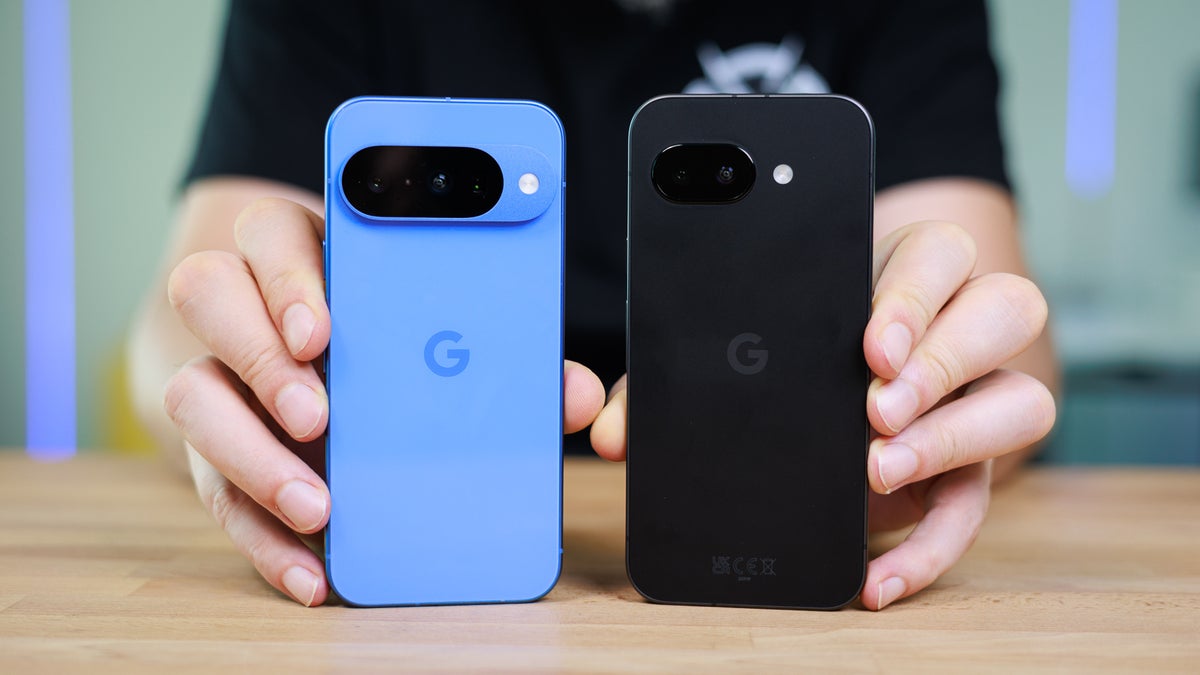
Google has just announced the Pixel 10 series, and the writing on the wall is clear: the base Pixel 10 is now significantly more intriguing than its predecessor. For the first time, the base Pixel 10 now has a triple camera at the rear thanks to the addition of a 5X telephoto lens, a feature that has been notably absent on all regular Pixel phones so far.
Add the new Tensor G5 chip that's on deck, the significantly larger battery with faster charging, the Pixelsnap accessory system, all the new AI goodies that Google says will help your digital life, slap an unchanged price tag on it ($799), and you've essentially got a pretty decent blueprint for success!
However, it's not all roses… The Pixel 10 has a slight problem on its hands, and its name is the Pixel 9a.
This affordable Pixel was launched earlier this year, and it was excellent for its $499 price. It's not only one of the best-value Pixel phones in recent times but also one of the most often recommended mid-range devices out there.
What does the Pixel 10 have in tow to convince you to switch?
Pixel 10 vs Pixel 9a expected differences:
| Pixel 10 | Pixel 9a |
|---|---|
| Equipped with the 3nm Google Tensor G5 chipset | Using Google Tensor G4 4nm |
| 12GB RAM | 8GB RAM |
| Slightly larger 6.3-inch screen, Gorilla Glass Victus 2 | 6.3-inch display as well, Gorilla Glass Victus 2 |
| 3,000-nit peak brightness | 2,700-nit peak brightness |
| Triple-camera system, first regular Pixel with 5X telephoto | Dual-camera system |
| 4,970 mAh battery | 5,100 mAh battery |
| 30W wired charging | 23W wired charging |
| Qi2 15W wireless charging | 7.5W wireless charging |
| Pixelsnap | No Pixelsnap system |
| $799 price (no changes vs Pixel 9) | $499 price |
Table of Contents:
Read more:
Design and Size
Few changes, but the color selection is on point as usual
Well, it seems that Google is content with the design language of its Pixel phones. If it weren't, it would have changed something with the Pixel 10 range. Sure, there's a 0.1 mm thickness increase likely to accommodate the Qi2 magnets at the rear, as well as a slight weight increase, but overall, the Pixel 10 is a carbon-copy of the Pixel 9.
The Pixel 10 looks pretty much identical to the Pixel 9, with the same unmistakable Pixel style, an aluminum frame, and satin Gorilla Glass Victus 2 in the rear. The signature camera strip in the rear is here to stay.
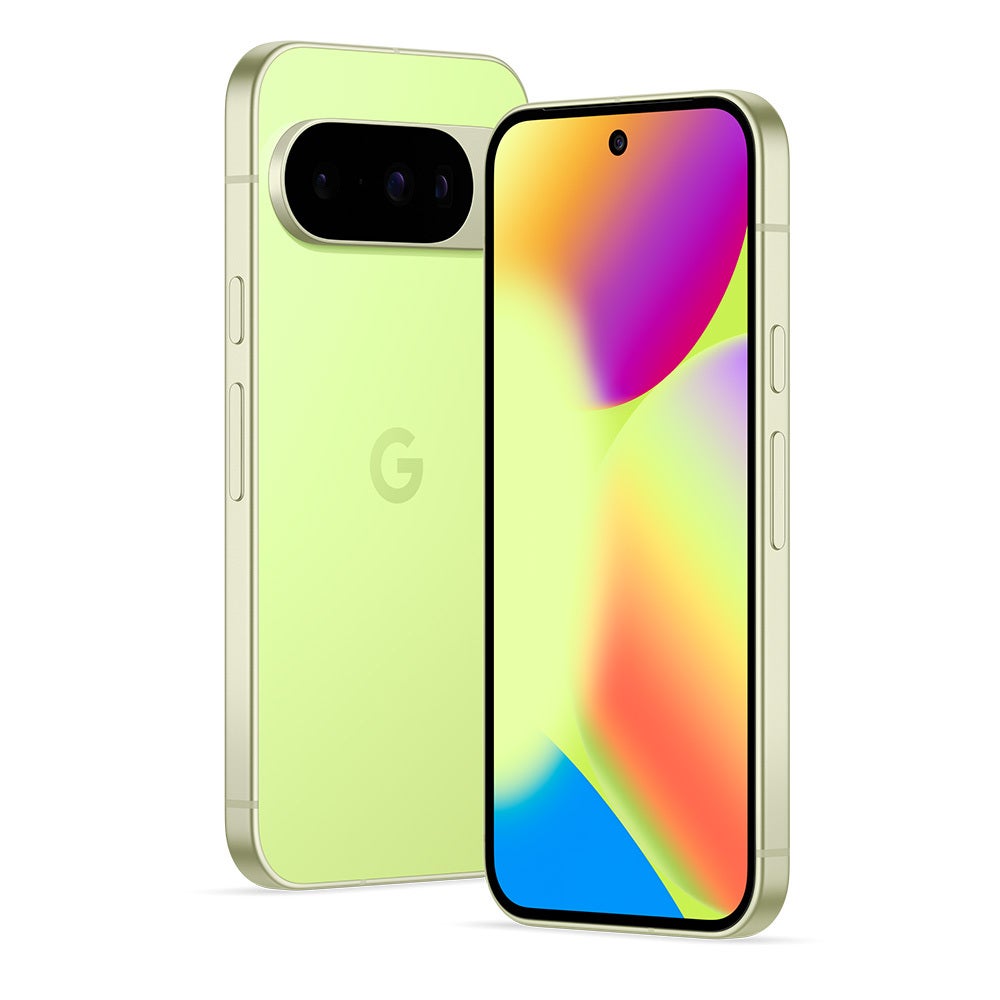
The absolutely coolest new feature in the design is the colors in which the regular Pixel is available, and I'm particularly enamored with the Indigo color, which is a suave blue hue that you simply cannot not like.
On the other hand, you don't get a drastically different phone with the Pixel 9a, either. It's a Pixel to the core and can't be mistaken for anything else. The efficiency of the design suffers a bit here, though: the affordable phone is taller, wider, and thicker, albeit slightly lighter than the Pixel 10. The back of the Pixel 9a is mostly flush with the back of the phone, which is a welcome change.
| Pixel 10 | Pixel 9a |
|---|---|
| Thickness 8.6 mm | Thickness 8.9 mm |
| Dimensions 152.8 x 72 | Dimensions 154.7 x 73.2 |
| Weight 204 grams | Weight 186 grams |
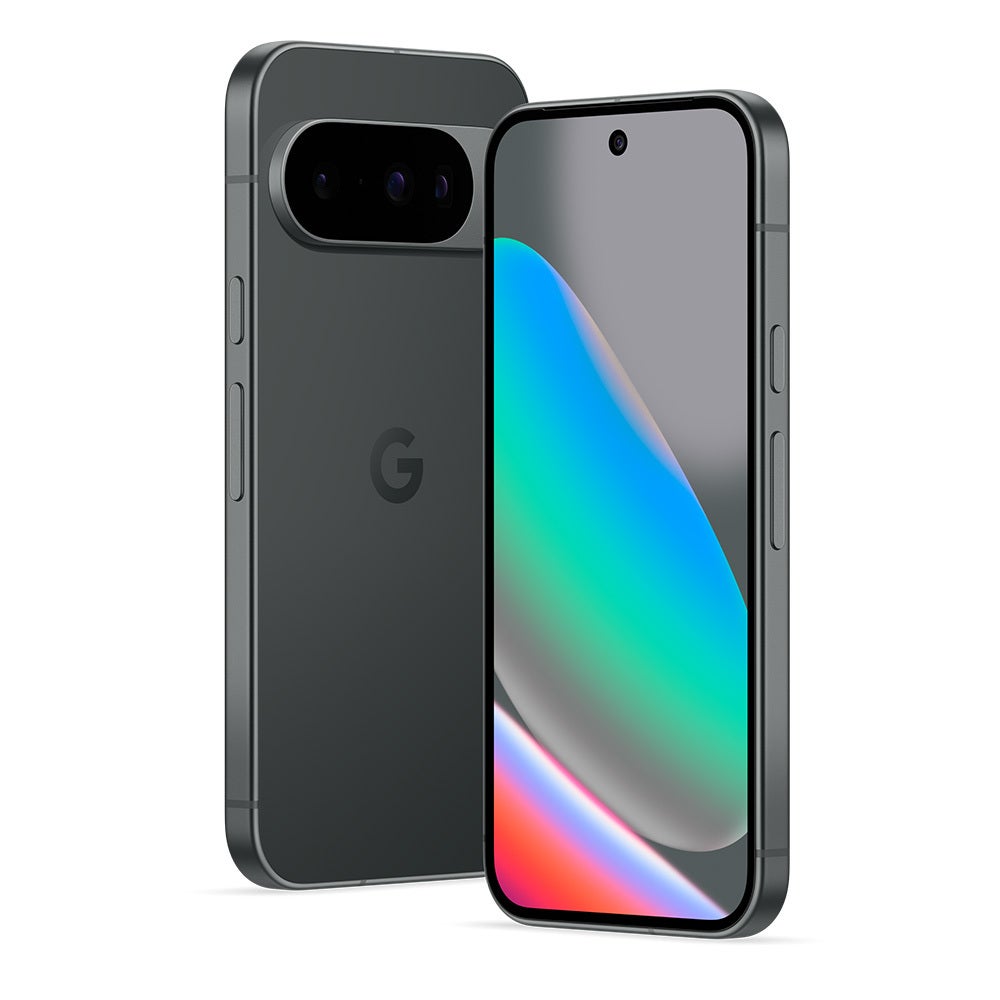
The Pixel 10 comes in four great new colors: Lemongrass, Obsidian, Frost, and the aforementioned Indigo one, which is definitely the star of the lineup. Meanwhile, the Pixel 9a is available in Iris, Peony, Obsidian, and Porcelain colors, which is also pretty decent in terms of variety, giving us both understated and lively options for any taste out there.


Display Differences
The Pixel 10 scores a slightly larger 6.3-inch OLED Actua display, ever-so-slightly wider than the 6.2-inch one on the previous Pixel 9. The rest of the properties are mostly familiar: an FHD+ resolution, 60-120Hz refresh rate, HDR support, and 20:9 aspect ratio.
The biggest upgrade here is the peak brightness, which has been increased to 3,000 nits, which is just a little lower than the peak 3,300 nits that the new Pro models can achieve.
The Pixel 9a also has a 6.3-inch screen , but due to its significantly larger bezels, it's not as sleek. Normal for a mid-ranger. The rest of the specs are very similar to the Pixel 10, though: FHD+ resolution, OLED technology, 60-120Hz refresh rate, and up to 2,700 nits of brightness.
Pretty good for a $499 phone.
| Pixel 10 | Pixel 9a |
|---|---|
| Size 6.3" | Size 6.3" |
| Peak brightness 3,000 nits | Peak brightness 2,700 nits |
In terms of biometrics, the Pixel 10 arrives with an ultrasonic fingerprint scanner, while the Pixel 9a comes forth with an optical one. In general, we do prefer ultrasonic ones as they are usually faster and more reliable.
Performance and Software
Pixel in the 3nm epoch
For the past few years, Google has relied on its own line of Tensor chips for the Pixel lineup. These weren't custom ones, though: they were manufactured by Samsung and followed the blueprints for the Exynos line of chips, which limited Google's say on the architecture.
No more, as the Pixel 10 introduces the Tensor G5 platform.
It is a fully custom chip manufactured on a 3nm node, bringing it up to par with most other flagship chipsets out there. We have high expectations of the Tensor G5, which has the potential to make Google's phones significantly better than before, though it most certainly won't beat Qualcomm's or Apple's top chipset in terms of performance.
It is a fully custom chip manufactured on a 3nm node, bringing it up to par with most other flagship chipsets out there. We have high expectations of the Tensor G5, which has the potential to make Google's phones significantly better than before, though it most certainly won't beat Qualcomm's or Apple's top chipset in terms of performance.
We do hope that the Pixel 10 will perform significantly better and introduce better efficiency than the Tensor G4 chipset, which happens to power the Pixel 9a. Built on a 4nm node, this chip was never really about the raw performance in synthetic benchmarks but works well in real life.
| Pixel 10 | Pixel 9a |
|---|---|
| Chip Google Tensor G5 | Chip Google Tensor G4 |
| Process 3nm | Process 4nm |
| RAM, Storage 12/128GB 12/256GB LPDDR5X RAM UFS 3.1 storage | RAM, Storage 8/128GB 8/256GB LPDDR5X RAM UFS 3.1 storage |
The Pixel 10 arrives 12GB of RAM, a notable increase over the Pixel 9 and the Pixel 9a, both of which feature 8GB of memory. In terms of storage, both the Pixel 10 and Pixel 9a come with either 128GB or 256GB versions. The storage is likely slower here, as only the Pro models come with faster ZUFS storage.
Android 16 is the software of choice on both the Pixel 10 and the Pixel 9a. The most notable feature of Android 16, the Material 3 Expressive redesign, is arriving along with the Pixel 10 series in early September.
One cool new AI feature of the Pixel 10 is called Magic Cue. This one will act as your personal butler and proactively suggest relevant information based on the context on your phone. For example, if your friend texts you about a dinner reservation, Magic Cue will scour your Gmail for a restaurant reservation and present the relevant information to you. If you call the joint, Magic Cue will proactively display the reservation details on the call screen for reference.
Both phones will be supported for seven years, until 2032.
Camera
Pixel 10 finally gets a triple camera
After years of dwelling with a dual-camera system, the Pixel 10 has scored a triple-camera system at long last. It's the first base Pixel to do so. It's not some lowly telephoto camera, mind you, but a 10.8MP unit with 5X optical zoom, potentially similar to the telephoto on the Pixel 9 Pro Fold/Pixel 10 Pro Fold.
Thanks to the addition of such a camera, the Pixel 10 can make use of 20X Super Res Zoom. Very decent, though the Pixel 10 Pro models can now zoom up to 100X.
Sadly, to fit the telephoto, Google has seemingly resorted to "downgrading" the rest of the cameras in comparison with the Pixel 9 (which came with more impressive 50MP main and 48MP ultrawide cameras). In fact, judging by the specs alone, it seems the Pixel 10 and the Pixel 9a share the exact same camera specs, barring the telephoto one. There's the chance this isn't correct, but hey, if it looks like a duck and quacks like a duck, then it's a duck.
We get the same 48MP main and 13MP ultrawide cameras on both devices, but intriguingly, the Pixel 9a scores a higher-res front camera.
| Pixel 10 | Pixel 9a |
|---|---|
| Main 48MP F1.7 1/2" sensor size | Main 48 MP F1.7 1/2" sensor size |
| Ultrawide 13MP F2.2 1/3.1" sensor size | Ultrawide 13 MP F2.2 1/3.1" sensor size |
| Telephoto 10.8 MP F3.1 5.0X telephoto 1/3.2" sensor size | Telephoto - |
| Front 10.5MP F2.2 | Front 13MP F2.2 |
A weird situation, that's for sure, but to what end? Our camera test will show, but we are far from optimistic about the Pixel 10's camera performance.
Battery Life and Charging
Lots of improvements here
The Pixel 10 arrives with a pretty decent 4,970 mAh battery, which is a pretty significant improvement over the Pixel 9's 4,700 mAh one. This increase could play very well with the improved efficiency of the Tensor G5 chip, so the battery life could score a net gain here. Always welcome, that one is.
Meanwhile, the Pixel 9a came with a 5,100 mAh battery, the largest ever fitted on a Pixel phone, but it was just dethroned by the Pixel 10 Pro XL's 5,200mAh one. Yet, this doesn't take away from the fact that the Pixel 9a has excellent battery life.
| Pixel 10 | Pixel 9a |
|---|---|
| Battery size 4,970 mAh | Battery size 5,100 mAh |
Charging speeds 30W wired 15W Qi2 wireless charging Pixelsnap | Charging speeds 23W wired 7.5W wireless charging |
Charging-wise, the Pixel 10 comes along with 30W wired and 15W wireless Qi2 charging, but the big news here is Pixelsnap, Google's answer to MagSafe that is compatible with Apple's wireless charging and accessory-attachment system. All new Pixel phones feature built-in magnets that allow you to attach chargers, wallets, and other compatible accessories without having to buy a MagSafe case.
Specs Comparison
Here's how the Pixel 10 vs Pixel 9a specs compare:
| Pixel 10 | Pixel 9a |
|---|---|
| Size, weight 152.8 x 72 x 8.6 mm 204 gr | Size, weight 154.7 x 73.2 x 8.9m 186 gr |
| Screen 6.3" OLED Actua 60-120Hz 3,000 nits | Screen 6.3" OLED 120Hz 2,700 nits |
| Processor Tensor G5 3nm | Processor Tensor G4 4nm |
| Versions: 12/128GB 12/256GB LPDDR5X | Versions: 8/128GB 8/256GB LPDDR5X |
| Cameras: 48MP main 13MP ultra 10.8MP 5X zoom 10.8MP front | Cameras: 48MP main 13MP ultra 13MP front |
| Battery: 4,970 mAh | Battery: 5,100 mAh |
| Charging: USB-C 30W wired 15W Qi2 wireless Pixelsnap | Charging: USB-C 23W wired 7.5W wireless |
Summary
The Pixel 10 is a weird upgrade. It gives some and then takes some. We get a new 3nm Tensor chip with new AI chops, a larger battery, and the Pixelsnap system, only to be met with a slightly downgraded main camera system and a design language that's great but might become a bit stale if Google keeps recycling it.
The Pixel 9a still sounds like a much better deal, given that it shares many hardware and software features with the new Pixel and actually beats it in some aspects while simultaneously costing significantly less.
Should you upgrade from the Pixel 9a to the Pixel 10? Doesn't sound like a logical move to me. It seems only users of significantly older affordable Pixels should consider the Pixel 10, and then again, the Pixel 9a is still a perfectly viable option that throws a spoke in the wheel

Follow us on Google News








 FCC OKs Cingular\'s purchase of AT&T Wireless
Things that are NOT allowed:
To help keep our community safe and free from spam, we apply temporary limits to newly created accounts: