This article may contain personal views and opinion from the author.
We may earn a commission if you make a purchase from the links on this page.
Well, it’s official. The shiny new Pixel 10, Pixel 10 Pro, and Pixel 10 Pro XL have landed, and while everyone is buzzing about the new Tensor G5 chip and the impressive AI-powered camera tricks, there’s a significant change in plain sight when you dive into the device specifications — or rather, the lack of something that’s been there for years.
For the first time, Google is removing the physical SIM card tray from most of its Pixel phones in the United States. It's a bold move, and honestly, it’s a bit of a mixed bag.
If you’re in the U.S. and planning to pick up a Pixel 10, 10 Pro, or 10 Pro XL, you’ll be diving headfirst into the world of eSIMs. According to the device specs, these new models will feature Dual eSIM support, allowing you to have two active lines simultaneously and store multiple cellular profiles on the device. It’s a clean, digital-only future for the main Pixel lineup.
How do you feel about Google removing the physical SIM tray from most U.S. Pixel 10 models?
I'm not happy about it. Bring back physical SIMs.
74.84%
Might as well accept it. It was bound to happen eventually.
16.13%
Yes! Finally! I don't know what took Google so long.
9.03%
However, it’s not a clean sweep across the board. The newly announced Pixel 10 Pro Fold will still come with a physical nano-SIM slot alongside its eSIM capability. Furthermore, if you’re living outside the U.S.—in places like the UK, Canada, Germany, India, or Japan, among many others—your new Pixel 10 will also retain the familiar single nano-SIM tray plus eSIM support.
If this all sounds strangely familiar, it’s because we’ve seen this playbook before. Apple made the exact same move back in 2022 with the release of the iPhone 14 in the U.S. market. The initial reaction was a combination of tech-world applause and consumer confusion. On one hand, eSIMs are objectively more secure.
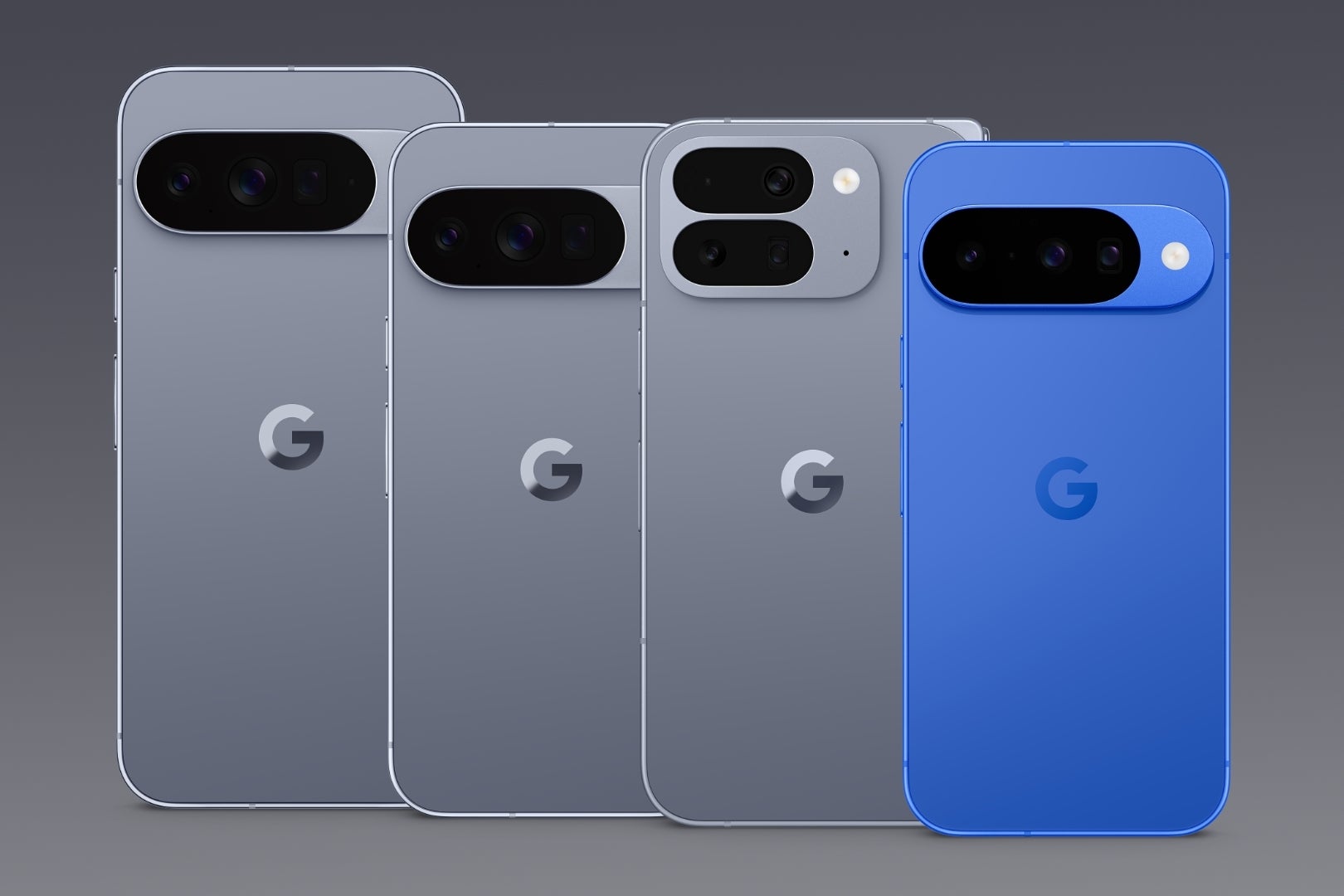
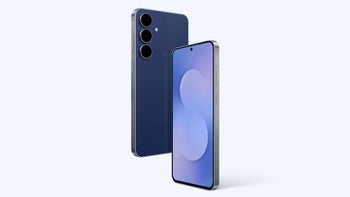
The Pixel 10 series (minus the Pixel 10 Pro Fold) are now the first Google phones without physical SIM card support. | Image credit — Google
A thief can’t just pop out your SIM card and take over your number. They also offer the convenience of switching carriers or activating international plans with a simple QR code scan or app download, no more fumbling with tiny plastic cards and ejector tools. For manufacturers, ditching the physical tray frees up precious internal space for other components.
On the other hand, this transition isn’t without its headaches, and it’s indicative of how Google is going the Apple way when it comes to this. From my perspective, this is not great news for those who are used to swapping SIMs. In my field of mobile tech journalism, I have to switch phones constantly, and the ability to quickly move my primary line from one device to another via a physical SIM is crucial for efficient testing and daily use. This move complicates that workflow significantly.
Recommended Stories
Pixel 10 with a $100 gift card
The Tensor G5-powered Pixel 10 is now available with a $100 gift card at Amazon. This is a limited-time promo, so you might want to hurry up if you want to save.
This offer is not available in your area.
Pixel 10 Pro is available with a $200 gift card
Looking for a more flagship Pixel 10 experience in a compact form factor? Consider the Pixel 10 Pro instead! It's available at Amazon with a $200 gift card right now.
This offer is not available in your area.
Pixel 10 Pro XL with a $200 gift card
Users after a larger screen and a serious Gemini AI prowess should consider the latest Google Pixel 10 Pro XL. The just-announced flagship is available with a $200 Amazon gift card right now.
This offer is not available in your area.
The same goes for international travelers who might be used to buying a local prepaid SIM card at an airport kiosk for immediate, cheap data. While many international carriers now offer tourist eSIMs, the process isn't always as straightforward or universally available as a physical card.
I know this is probably not an issue for the average person who buys a new phone, activates it with their carrier, and sticks with that single device for the long run. For them, the switch to eSIM will likely be a seamless, one-time setup process handled by their provider. But for a vocal minority of power users, testers, and travelers, this feels like a step back in flexibility. It forces a reliance on carrier apps and support systems, which can be a bit of a mess, rather than the simple, universal standard we’ve had for decades.
The future is undoubtedly digital, but sometimes the old analog way of doing things has a convenience that’s hard to replace. The Pixel 10 series is pushing us into that future, whether we’re all ready for it or not.
"Iconic Phones" is coming this Fall!
Good news everyone! Over the past year we've been working on an exciting passion project of ours and we're thrilled to announce it will be ready to release in just a few short months.
"Iconic Phones: Revolution at Your Fingertips" is a must-have coffee table book for every tech-head that will bring you on a journey to relive the greatest technological revolution of the 21st century. For more details, simply follow the link below!
Johanna 'Jojo the Techie' is a skilled mobile technology expert with over 15 years of hands-on experience, specializing in the Google ecosystem and Pixel devices. Known for her user-friendly approach, she leverages her vast tech support background to provide accessible and insightful coverage on latest technology trends. As a recognized thought leader and former member of #TeamPixel, Johanna ensures she stays at the forefront of Google services and products, making her a reliable source for all things Pixel and ChromeOS.
A discussion is a place, where people can voice their opinion, no matter if it
is positive, neutral or negative. However, when posting, one must stay true to the topic, and not just share some
random thoughts, which are not directly related to the matter.
Things that are NOT allowed:
Off-topic talk - you must stick to the subject of discussion
Offensive, hate speech - if you want to say something, say it politely
Spam/Advertisements - these posts are deleted
Multiple accounts - one person can have only one account
Impersonations and offensive nicknames - these accounts get banned
To help keep our community safe and free from spam, we apply temporary limits to newly created accounts:
New accounts created within the last 24 hours may experience restrictions on how frequently they can
post or comment.
These limits are in place as a precaution and will automatically lift.
Moderation is done by humans. We try to be as objective as possible and moderate with zero bias. If you think a
post should be moderated - please, report it.
Have a question about the rules or why you have been moderated/limited/banned? Please,
contact us.







 FCC OKs Cingular\'s purchase of AT&T Wireless
Things that are NOT allowed:
To help keep our community safe and free from spam, we apply temporary limits to newly created accounts: