Samsung Galaxy Z Flip 7 vs iPhone 17 Pro: What kind of phone should $1,100 buy you in 2025?
We may earn a commission if you make a purchase from the links on this page.

Intro
Flagship phones are expensive, we all know that, but flagship foldable phones are even more so. The iPhone 17 Pro is just around the corner, and even if the rumored $50 price hike turns out to be true, it will still be cheaper than Samsung's new Galaxy Z Flip 7, which starts at $1,100.
But Apple is yet to offer a foldable iPhone design, while Samsung's Z Flip 7 is one of the best out there. So, how will these two phones compare?
Galaxy Z Flip 7 vs iPhone 17 Pro expected differences:
| Galaxy Z Flip 7 | iPhone 17 Pro* |
|---|---|
| Foldable clamshell design | Traditional slab design |
| 6.9" AMOLED, 120Hz + 4.1" cover display | 6.3" LTPO OLED, 120Hz ProMotion |
| Exynos 2500 (3nm) | A19 Pro (3nm N3P) |
| 12 GB | 12 GB |
| Dual rear cameras (50 MP + 12 MP), 10 MP selfie | Triple 48 MP rear cameras, 24 MP selfie |
| 4,300 mAh battery | ~3,700 mAh stacked battery |
| 25W wired, 15W wireless, reverse wireless | 27W wired, 15W MagSafe wireless, reverse wireless (rumored) |
| One UI 8 + Galaxy AI | iOS 26 + Apple Intelligence |
| $1,100 starting price | $1,000–$1,050 starting price |
*Expected
Table of Contents:
Design and Size
What this comparison is all about
Samsung’s Z Flip 7 folds into a compact square, now with thinner bezels and a much larger 4.1-inch FlexWindow cover screen. The hinge design is flatter and less creased, making the phone feel sturdier than earlier generations.
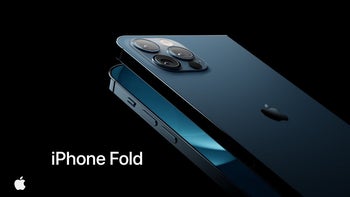
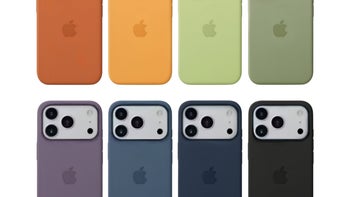
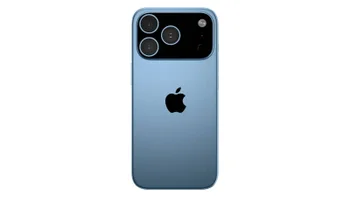
In a surprising turn of events, Apple is said to move away from titanium in favor of a half-aluminum, half-glass design that is said to improve durability. The iPhone 17 Pro might also come with a pill-shaped horizontal camera bar, giving it a distinctive new look, although it is expected to be divisive.
| Galaxy Z Flip 7 | iPhone 17 Pro* |
|---|---|
| Thickness Unfolded: 6.9 mm Folded: 14.9 mm | Thickness 8.3 mm |
| Dimensions Unfolded: 165.1 × 71.9 mm Folded: 85.1 × 71.9 mm | Dimensions ~149.6 x 71.5 |
| Weight 187 g | Weight ~199 g |
Durability remains the major separating factor, as foldable phones are not exactly known for being tough. The Z Flip 7 is rated IP48 (basic water and dust resistance), while the iPhone 17 Pro is expected to retain the same IP68 protection as in previous models. What's more, there's that new half-aluminum, half glass design, and the much tougher display compared to the Z Flip 7's foldable one.
Display Differences
The Flip 7’s new 4.1-inch cover display, which supports full-screen messaging, navigation, and Galaxy AI features. That said, it still doesn't supper full third-party app functionality, so it feels rather limited. The main display remains large at 6.9 inches, with HDR10+ and improved durability thanks to updated Ultra Thin Glass.
The iPhone 17 Pro sticks to a 6.3-inch screen with 120 Hz ProMotion. Brightness is expected to stay capped at 2,000 nits — unchanged from the iPhone 16 Pro — which means Samsung still has the edge for outdoor visibility.
| Galaxy Z Flip 7 | iPhone 17 Pro* |
|---|---|
| Size Main: 6.9" AMOLED, 120Hz Cover: 4.1" AMOLED, 120Hz | Size 6.3" 120Hz ProMotion |
| Brightness 2600 nits (peak) | Brightness 2000 nits (peak) |
Performance and Software
Galaxy AI vs Apple silicon
The Z Flip 7’s Exynos 2500 improves NPU performance for AI functionality and efficiency, but history suggests it will lag behind Apple’s A19 Pro in single-core and GPU-heavy performance. The iPhone 17 Pro is also said to introduce vapor chamber cooling, which should help sustain performance during gaming and editing for longer.
When it comes to AI, though, Samsung is still ahead of Apple. While both phones have AI features, those on Galaxy phones still work much better than Apple's counterparts. Samsung even integrates Galaxy AI across the Z Flip's cover display with features like Circle to Search, Note Assist, and Interpreter Mode.
When it comes to AI, though, Samsung is still ahead of Apple. While both phones have AI features, those on Galaxy phones still work much better than Apple's counterparts. Samsung even integrates Galaxy AI across the Z Flip's cover display with features like Circle to Search, Note Assist, and Interpreter Mode.
| Galaxy Z Flip 7 | iPhone 17 Pro* |
|---|---|
| Chip Exynos 2500 | Chip A19 Pro |
| Process 3nm | Process 3nm |
| RAM, Storage 12/256 GB 12/512 GB LPDDR5X RAM UFS 4.0 storage | RAM, Storage 12/256 GB 12/512 GB 12/1 TB LPDDR5X RAM NVMe storage |
*Expected
Apple’s iOS 26 will bring a redesigned Liquid Glass look, Live Translate for calls, Call Screening, and Smart Replies. But Apple Intelligence’s most ambitious features remain delayed until at least 2026 (or maybe even 2027).
Both companies now promise 7 years of software updates.
Both companies now promise 7 years of software updates.
Camera
The biggest reason to avoid foldables
Samsung left the Flip 7’s cameras unchanged from last year. While the 50 MP main is fine in daylight, low-light and video stabilization are still not what you want from a phone that costs above $1,000.
| Galaxy Z Flip 7 | iPhone 17 Pro* |
|---|---|
| Main 50 MP, f/1.8 23 mm 1/1.57" sensor size | Main 48 MP, f/1.8 24 mm 1/1.28" sensor size |
| Ultrawide 12 MP, f/2.2 13 mm 1/3.2" sensor size | Ultrawide 48 MP, f/2.2 13 mm 1/2.55" sensor size |
| Telephoto None | Telephoto 48 MP 5X zoom (85mm) Unknown sensor size |
*Expected
On the other hand, Apple is going further than ever with the iPhone 17 Pro. This year the company is said to include a triple 48 MP system. We expect to see a larger stacked main sensor for better dynamic range and night performance, but also a brand new 48 MP sensor for the telephoto camera. There's also a slight chance for a new ALD lens coating, said to reduce glare, and support for 8K video recording.
Battery Life and Charging
Bigger cell vs better efficiency
Samsung added capacity to push the Flip 7 closer to all-day use, which helped it score slightly more than 7 hours of estimated battery life in our tests. That's a pretty good results considering it is a foldable phone. Apple, on the other hand, will likely bet on efficiency gains from the A19 Pro and stacked battery tech rather than a much larger cell.
*Expected
Charging speeds are one area where Apple finally pulls ahead: 35W wired and 25W wireless (Qi2.2) put it ahead of the Flip 7’s 25W/15W combo.
| Galaxy Z Flip 7 | iPhone 17 Pro* |
|---|---|
| Battery 4,300 mAh | Battery ~3,700 mAh |
| Charging speeds 25W wired 15W wireless charging USB-C 3.2 | Charging speeds 35W wired 25W wireless charging USB-C 3.2 |
Specs Comparison
Here's a quick overview of the expected Galaxy Z Flip 7 vs iPhone 17 Pro specs:
| Galaxy Z Flip 7 | iPhone 17 Pro * |
|---|---|
| Size, weight Unfolded: 165.1 × 71.9 × 6.9 mm Folded: 85.1 × 71.9 × 14.9 mm 187 g | Size, weight 149.6 × 71.5 × 8.3 mm - 199 g |
| Screen 6.9" OLED 4.1" cover screen 120Hz main display | Screen 6.3" OLED - 120Hz |
| Processor Exynos 2500 3nm | Processor A19 Pro 3nm |
| Versions: 12/256 GB 12/512 GB - LPDDRX5 | Versions: 12/256 GB 12/512 GB 12/1 TB LPDDRX5 |
| Cameras: 50 MP main 12 MP ultra - 10 MP front | Cameras: 48 MP main 48 MP ultra 48 MP 5X zoom 24 MP front |
| Battery: 4,300 mAh | Battery: ~3,700 mAh |
| Charging: USB-C 25W wired 15W wireless | Charging: USB-C 35W wired 25W wireless (Qi2.2) |
*Expected
Also read:
Summary
The Galaxy Z Flip 7 is Samsung’s most refined clamshell yet: bigger cover screen, sleeker design, and deeper AI integration. But its cameras remain behind and its reliance on Exynos silicon leaves room for improvement in terms of performance.
The iPhone 17 Pro is shaping up to be a serious all-around powerhouse. With a triple 48 MP camera system it could easily become one of the best camera phones of the year.
At $1,099, the Flip 7 gets you the foldable benefits of a smaller size and a cover screen. But for ~$1,000 the iPhone 17 Pro offers a safer, more versatile flagship experience.
If you value the unique quirks of the flip phone design, Samsung’s foldable is finally mature enough to recommend. But for most, the iPhone 17 Pro is likely to deliver more consistent results and fewer compromises.
The iPhone 17 Pro is shaping up to be a serious all-around powerhouse. With a triple 48 MP camera system it could easily become one of the best camera phones of the year.
At $1,099, the Flip 7 gets you the foldable benefits of a smaller size and a cover screen. But for ~$1,000 the iPhone 17 Pro offers a safer, more versatile flagship experience.
If you value the unique quirks of the flip phone design, Samsung’s foldable is finally mature enough to recommend. But for most, the iPhone 17 Pro is likely to deliver more consistent results and fewer compromises.

Follow us on Google News





 FCC OKs Cingular\'s purchase of AT&T Wireless
Things that are NOT allowed:
To help keep our community safe and free from spam, we apply temporary limits to newly created accounts: