We may earn a commission if you make a purchase from the links on this page.
Intro
Now that the Pixel 10 is here, it's time to turn our heads towards Apple, which is due to showcase its latest devices very soon.
The Pixel 10 range once again consists of four devices, ranging from the regular Pixel 10 to the Pixel 10 Pro Fold, but it's the understated Pixel 10 Pro that will likely attract the sensible buyer.
And for a right reason: it's packed with almost all the flagship specs you actually want in a delightfully compact body, at least for a modern smartphone.
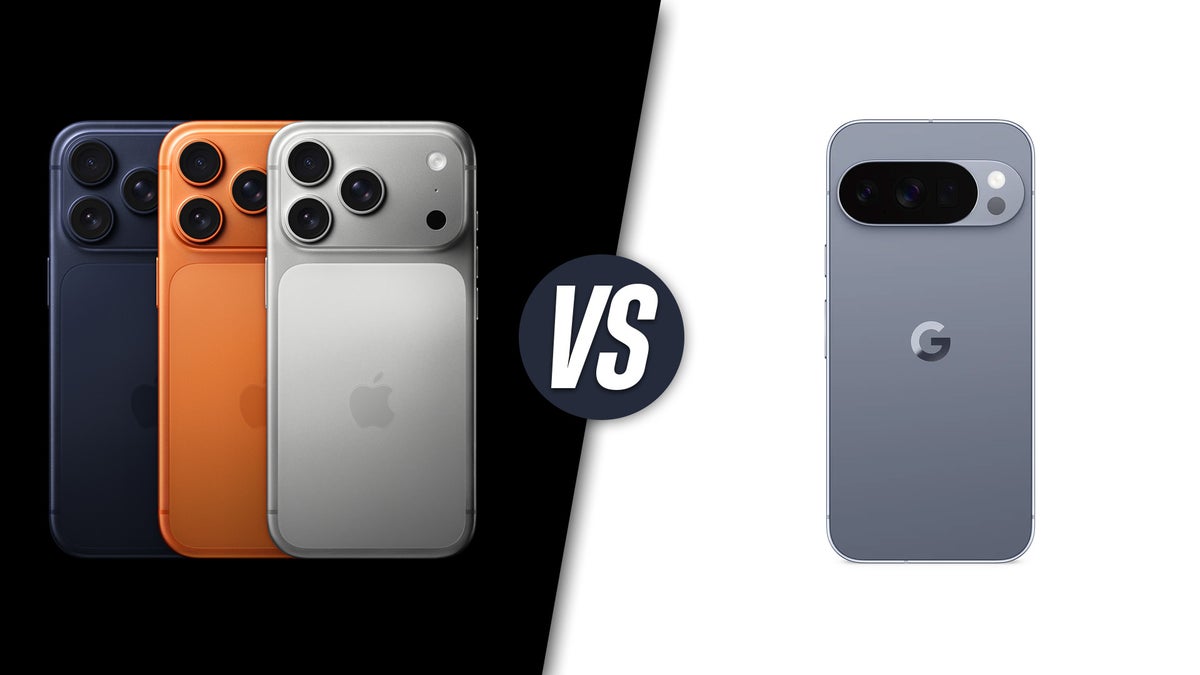
Just a couple of weeks later, the iPhone 17 generation is coming, with the iPhone 17 Pro destined to be the compact top flagship of the iOS camp, and in extension, the Pixel 10 Pro's direct rival.
The Pixel 10 Pro is available with $200 gift card
Looking for pro-grade camera performance in a compact form factor? The Pixel 10 Pro is the one to choose. The just-announced device is already available for pre-order at Amazon with a $200 gift card.
This offer is not available in your area.
How would these two compare? As usual, these premium phones will be rivals in the flagship space, but they won't divert too much from the course set by their predecessors. That's okay, though, as we don't feel either Apple or Google has to resort to such revolutionary changes anyway. Let's go!
iPhone 17 Pro vs Pixel 10 Pro differences:
iPhone 17 Pro
Pixel 10 Pro
Same flat design with glass back
Flat sides, curved corners
Titanium or aluminum frame
Aluminum frame
Possibly lighter (199 gr)
Heavier at 207 gr
A redesigned rear camera island, Pixel-like
A large camera strip at the back
6.3-inch Liquid Retina XDR display
6.3-inch Super Actua OLED display
3,000 nits of brightness, possibly
3,300 nits of brightness
Apple A19 Pro chipset (3rd-gen 3nm)
Google Tensor G5 (3nm)
Possibly 12GB of RAM
16GB of RAM
256GB, 512GB, 1TB storage versions
128GB, 256GB, 512GB, 1TB storage versions
48MP+48MP+48MP camera system
50MP+48MP+48MP rear camera, 100X Pro Res Zoom
24MP FaceTime camera in a smaller Dynamic Island notch
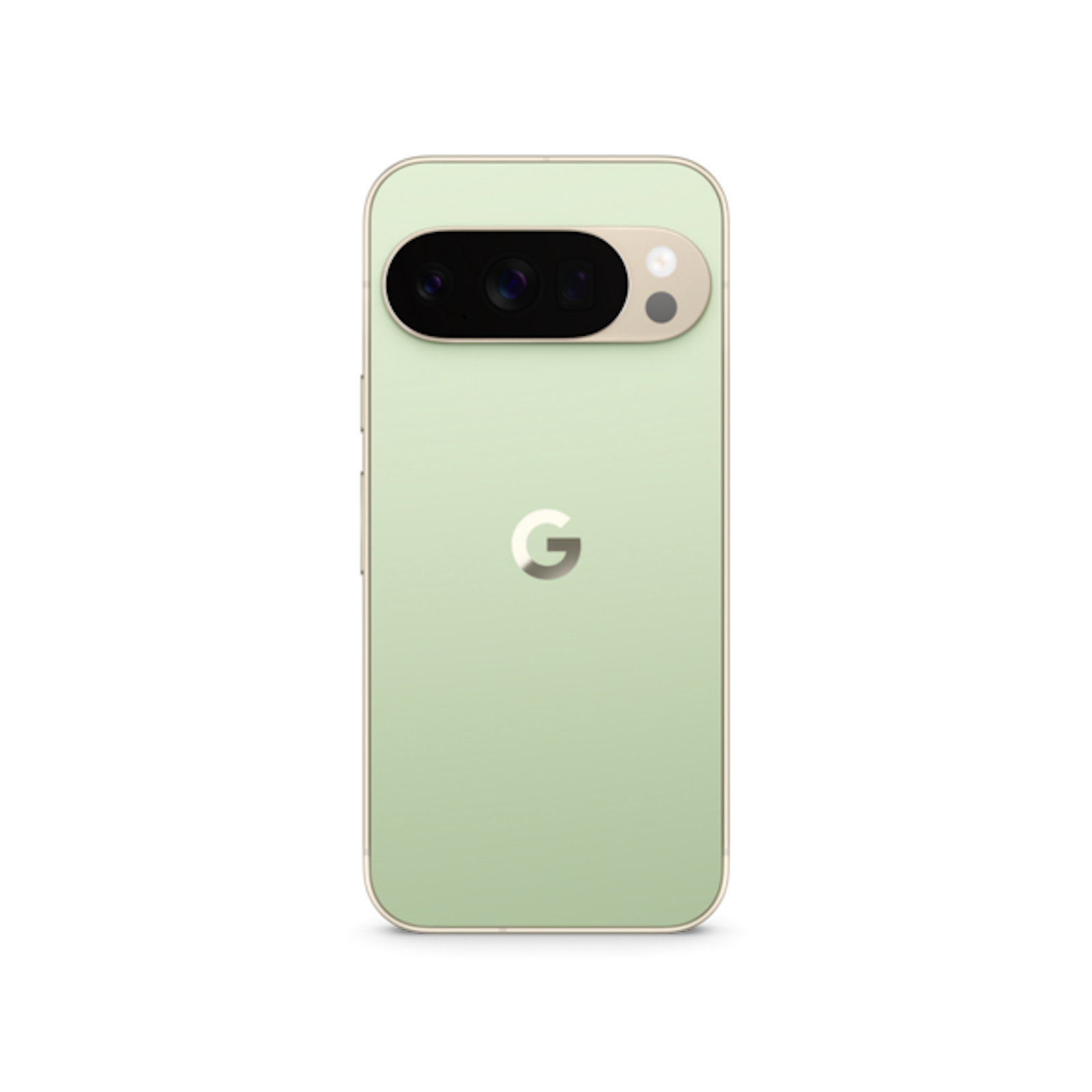
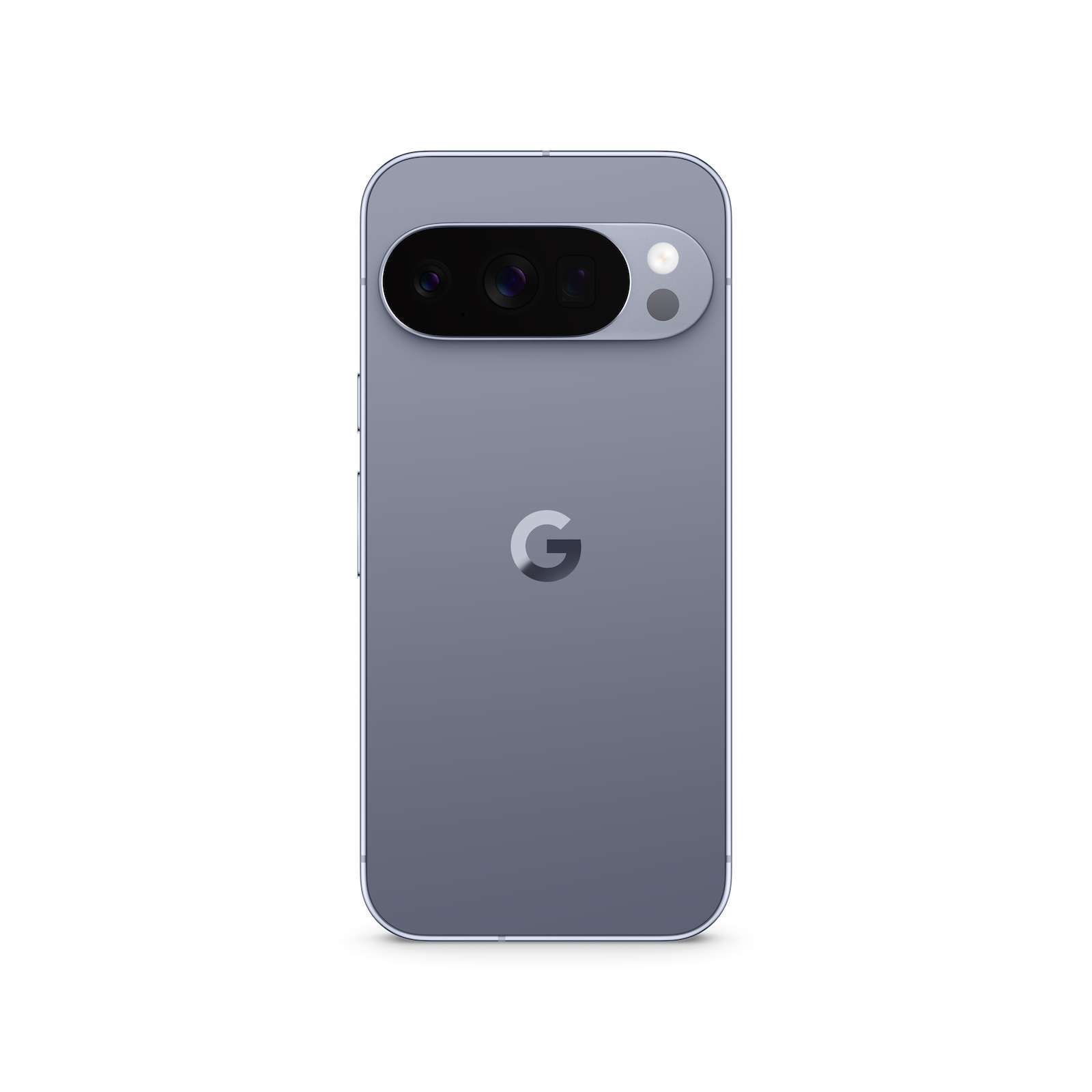
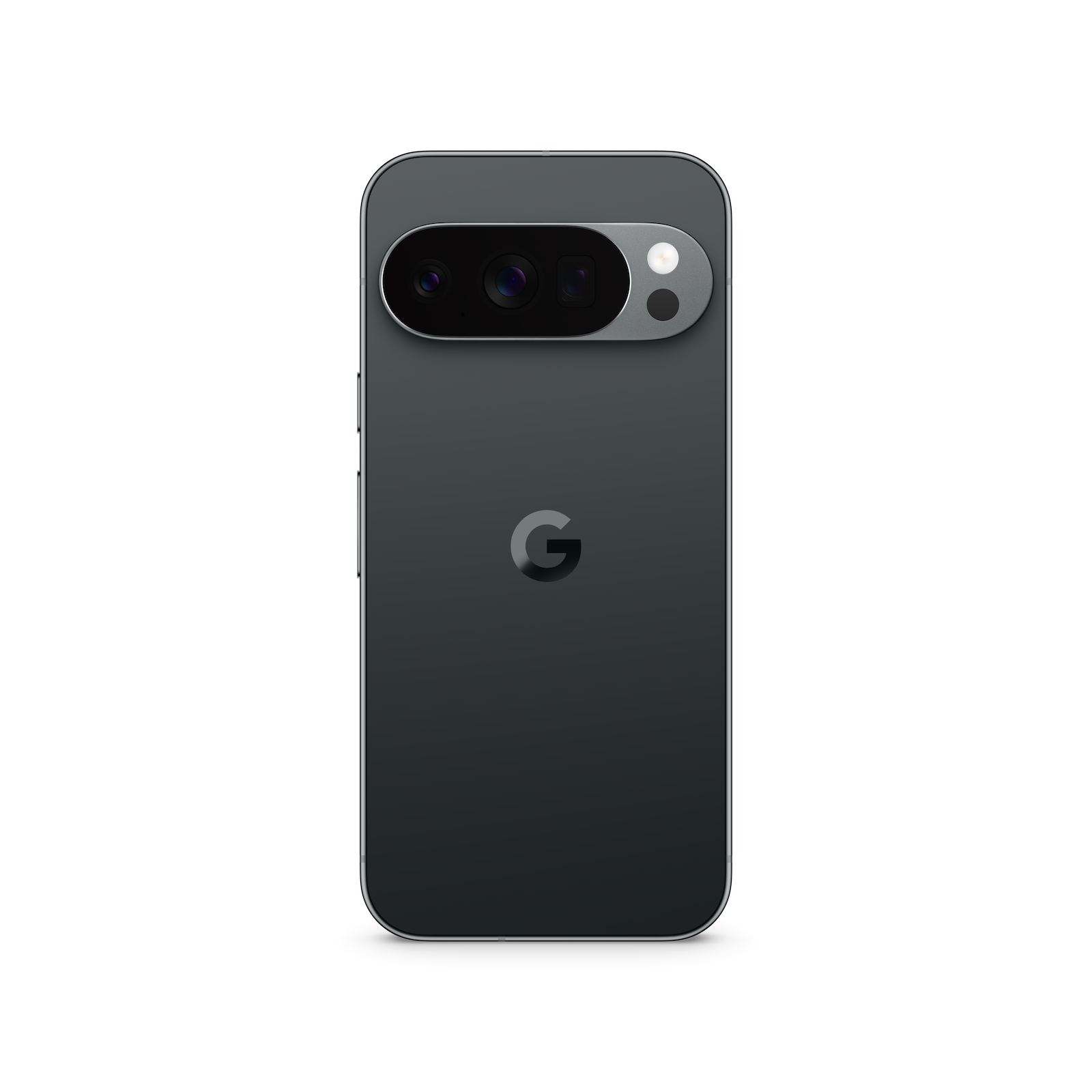
The Pixel 10 Pro is pretty similar to its predecessor in terms of design language and overall size. Actually, it could be extremely daunting to discern the Pixel 10 Pro and the Pixel 9 Pro if both stand one next to the other. No issues with that: we loved the Pixel 9 Pro design, and the Pixel 10 Pro is as stunning, to say the least.
We get the same flat aluminum design, with Gorilla Glass 2 at the front and in the back. The large camera strip is here to stay with the Pixel 10 Pro.
The same applies to the upcoming iPhone, which will be a continuation rather than a revolution. The iPhone 17 Pro will likely continue utilizing a titanium frame, though some rumors called for a return to aluminum. Aluminum, however, remains the metal of choice on the Pixel 10 Pro frame.
This new design language applies to all models except for the regular iPhone (Image Credit-Weibo)
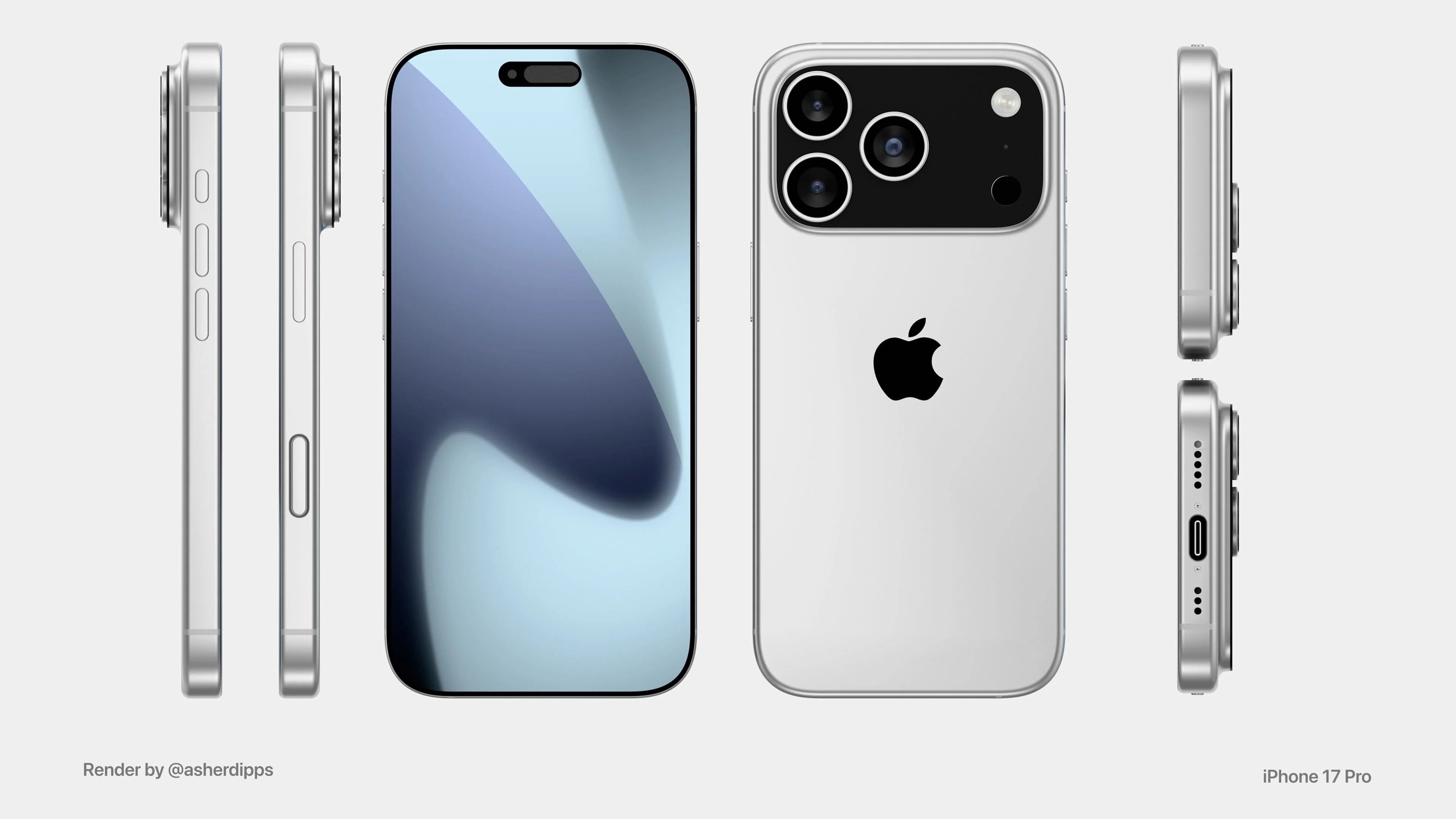
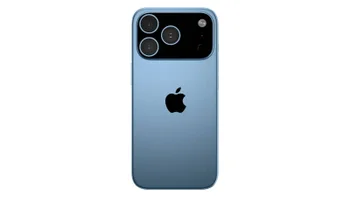
One major style change that's coming to the iPhone 17 Pro is one that will surely rustle some feathers. The Pro models are getting a redesigned rear camera bar, which evokes a strong resemblance to the Pixel's signature rear camera strip. However, the iPhone's take on this design style is set to be way more imposing, occupying nearly a third of the phone's rear.
iPhone 17 Pro
Pixel 10 Pro
Thickness ~8.3 mm
Thickness 8.6 mm
Dimensions ~149.6 x 71.5
Dimensions 152.8 x 72.0
Weight ~199 grams
Weight 207 grams
The Pixel 10 Pro is 8.6 mm thick, and the rumor mill says the iPhone 17 Pro will be thinner at 8.3 mm, the difference will hardly be noticeable in real life.
When it comes to the rest of the dimensions, the iPhone will still technically remain the more compact phone, poised to be shorter, narrower, and lighter.
iPhone 17 Pro/Pro Max render (Image Credit-@asherdipps
We will be getting a customizable Action Button on the iPhone 17 Pro, as well as the novel Capture Button, which lets you control the camera and engage Visual Intelligence. No such buttons on the Android champ, which only retains the standard volume/power button combo.
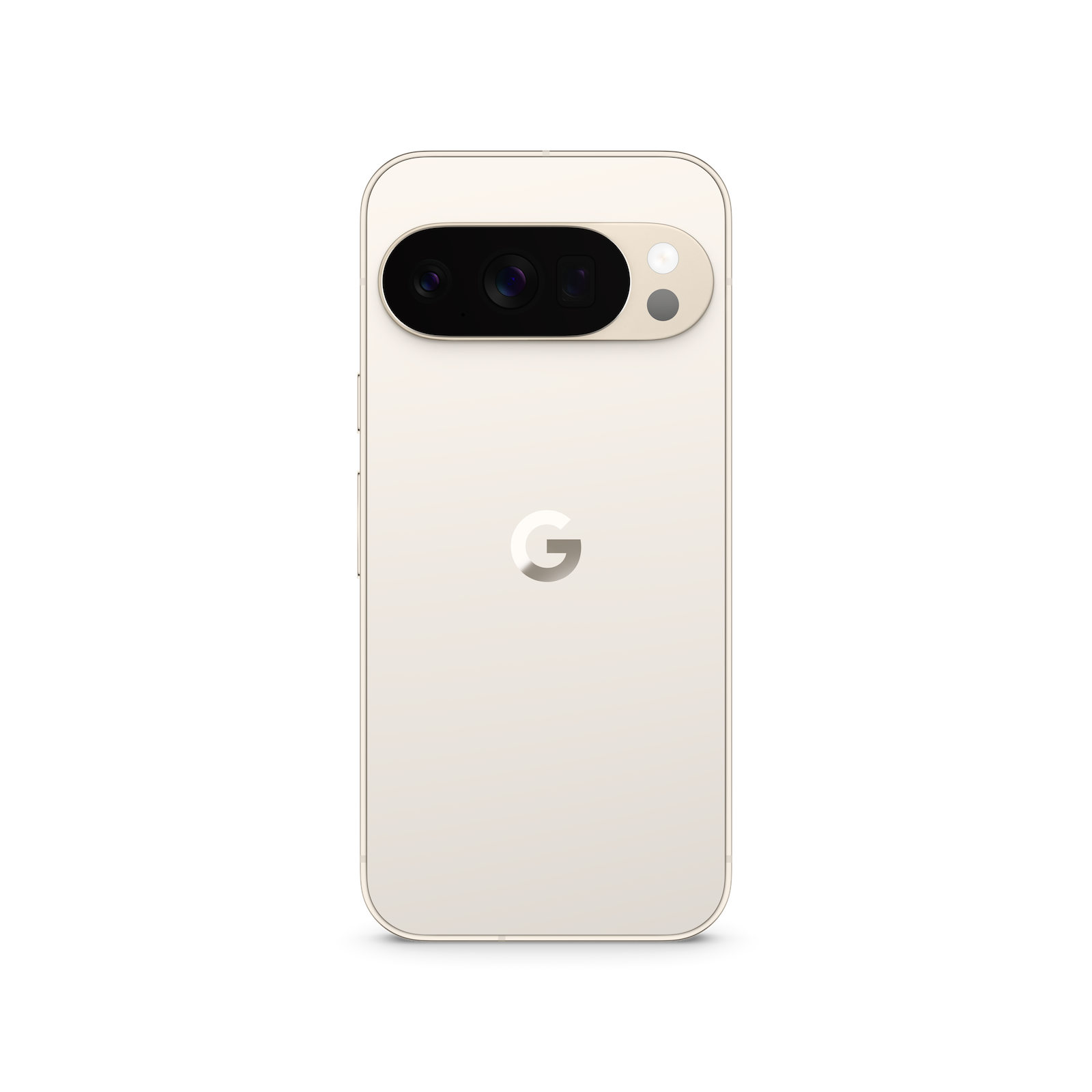
Color-wise, we expect the iPhone 17 Pro to be available in Black Titanium, White Titanium, Natural Titanium, and an extra color. The Pixel 10 Pro, on the other hand, comes in Indigo, Frost, Lemongrass, and Obsidian, which is a pretty lively and varied selection.
The iPhone 17 Pro will most certainly be equipped with a 6.3-inch ProMotion-enabled Liquid Retina XDR screen with very thin bezels.
A peak brightness increase to 3,000 nits is possible, up from 2,000 nits. As is typical for Apple, the display will most certainly utilize a Samsung panel and exhibit excellent color accuracy properties.
Meanwhile, the Pixel 10 Pro comes with a similar 6.3-inch Super Actua OLED display with LTPO technology that enables a smooth 1-120 Hz refresh rate. The highlight here, no pun intended, is the peak brightness of 3,300 nits, which is some 10% higher than what the Pixel 9 Pro series delivered. That would potentially make the Pixel 10 Pro range one of the brightest phones on the US market.
Apple iPhone 17 Pro
Google Pixel 10 Pro
Size 6.3"
Size 6.3"
Brightness ~3000 nits (peak)
Brightness 3,300 nits (peak)
Back to the phone, there's the possibility of Apple using a slightly smaller Dynamic Island notch thanks to using smaller Face ID and camera elements, which would boost the screen real estate. However, this is shaping up to be an upgrade slated for 2026, as the changes for a slimmer Dynamic Island are slimmer this year.
Recommended Stories
In terms of biometrics, the Pixel 10 Pro comes with an ultrasonic fingerprint scanner, while Apple is set to continue using the signature Face ID biometric system.
Two 3nm chips on deck, but the Apple one might still have the upper hand
The iPhone 17 Pro Max will use the 3nm Apple A19 Pro chipset. It will be the third generation of Apple's 3nm chips, so we expect exceptional performance and efficiency, as is befitting for Apple. From a performance standpoint, we expect that the Apple chip will have the upper hand in raw performance.
The Pixel 10 Pro is equipped with Google's first truly custom chipset, the Tensor G5, which is built by TSMC on its own 3nm manufacturing process. Until now, Google had to rely on Samsung for manufacturing previous Tensor chips, which were using the Exynos blueprints. No longer, as the Tensor G5 is now custom built to Google's specifications.
iPhone 17 Pro
Google Pixel 10 Pro
Chip Apple A19 Pro
Chip Google Tensor G5
Process 3nm
Process 3nm
RAM, Storage 12/256GB 12/512GB 12/1TB
RAM, Storage 16/128GB 16/256GB 16/512GB 16/1TB
We expect the iPhone 17 Pro to boast 12GB of RAM, an increase over the previous 8GB of RAM on previous iPhones, likely to accommodate the upcoming needs for AI. The Pixel 10 Pro comes with 16GB of RAM.
The iPhone 17 Pro will likely feature three storage versions: 256GB, 512GB, and 1TB, while the Pixel 10 Pro is available in 128GB, 256GB, 512GB, and 1TB versions.
The Pixel 10 Pro arrives with Android 16 and will be supported for seven years. The most intriguing new feature of Android 16 is none other than the Material 3 Expressive redesign, which aims to liven up the interface aesthetics of Google's operating system.
One cool new feature of the Pixel 10 Pro is called Magic Cue, and it will proactively recommend relevant suggestions when necessary. For example, if someone messages you about a lunch reservation, Magic Cue will scour your Gmail for reservation confirmation emails and automatically recommend a relevant answer right there in the thread, acting as your virtual butler agent of sorts.
Meanwhile, the iPhone 17 Pro will ship with iOS 26, a software update that should have been called iOS 19, but for consistency's sake, Apple renamed all of its operating systems. This one also comes with a redesign, dubbed Liquid Glass, and it's consistent across all platforms. The iOS 26 update will also introduce many other changes––read more about them here.
Camera
An important change for the iPhone
With the iPhone 17 Pro, Apple is likely upgrading the periscope camera. Just like the wide and ultrawide cameras, Apple is putting a high-res 48MP sensor behind the periscope camera. This means we get triple 48MP cameras here. However, rumors also claim that Apple is reducing the optical zoom reach from 5X down to 3.5X.
While this may sound like a downgrade, we shouldn't forget that Apple could resort to in-sensor cropping to achieve longer zoom levels. This is what most other manufacturers do when using high-res telephoto cameras, so while the native zoom isn't that long, the quality when zooming is significantly improved.
The Pixel 10 Pro is coming with mostly the same camera setup as the Pixel 9 Pro: a 50MP main camera, a 48MP ultrawide, a 48MP periscope with 5X optical zoom, and a high-res 42MP front-facing camera. The big change with the Pixel 10 Pro is the periscope camera, which has scored 100X Pro Res Zoom, finally bringing the Pixel in the big zooming leagues.
iPhone 17 Pro
Pixel 10 Pro
Main 48 MP, f/1.8 24 mm 1/1.28" sensor
Main 50 MP, f/1.68 24 mm 1/1.31" sensor
Ultrawide 48 MP, f/2.2 13 mm 1/3.06" sensor
Ultrawide 48 MP, f/1.7 13 mm 1/2.55" sensor
Telephoto/periscope 48 MP, f/2.8 3.5X zoom
Telephoto/periscope 48 MP, f/2.8 5X zoom (113 mm), 100X Pro Res Zoom 1/2.55" sensor
Apple is also reportedly improving the resolution of the FaceTime camera from 12MP to 24MP. That's still less impressive than the 42MP selfie camera on the Pixel 10 Pro, though.
A new camera feature on the Pixel 10 Pro is called Camera Coach, and it's pretty much what it says on the tin: it will guide and help you to take a photo with a better composition.
Battery Life and Charging
Pixel scoring some important aspects
The Pixel 10 Pro has arrived with a fairly large 4,870mAh battery, which should play well with the efficient Tensor G5 chip.
The iPhone, on the other hand, is likely coming with a 3,700 mAh battery, which isn't as impressive as the iPhone 17 Pro Max's hinter ~5,000 mAh battery.
iPhone 17 Pro
Pixel 10 Pro
Battery size ~3,600 mAh
Battery size 4,870 mAh
Charging speeds 27/40W wired
25W wireless charging
MagSafe 2.0
USB-C
Charging speeds
30W wired
15W Qi2 wireless charging
Pixelsnap
USB-C
When it comes to charging, expect no changes from Apple. The iPhone is getting 27W wired charging (that could jump to 40W in certain scenarios) and 25W MagSafe 2.0.
The Pixel 10 Pro, however, has scored some important changes to charging. There's 30W wired and 15W Qi2 wireless charging, but the real star of the show here is the Pixelsnap system.
It's Google's answer to MagSafe, and the magnets are embedded right inside the phone. This allows you to attach Pixelsnap accessories, and there's also neat compatiblity with MagSafe itself.
The Pixel 10 Pro is a very decent upgrade over the Pixel 9 Pro, with possibly better performance, battery life, camera, and Pixelsnap support, though the upgrades were more impressive on the larger Pixel 10 Pro XL.
Meanwhile, the iPhone 17 Pro is likely scoring the minimum amount of upgrades over the previous iPhone 16 Pro. A slightly larger battery, a higher-res telephoto, and cool new color options are coming to the range that would constitute the brunt of the improvements. Nothing too exciting, it seems, but such are phone releases these days.
Peter, an experienced tech enthusiast at PhoneArena, is captivated by all things mobile. His impartial reviews and proficiency in Android systems offer readers valuable insights. Off-duty, he delves into the latest cryptocurrency trends and enjoys sci-fi and video games.
A discussion is a place, where people can voice their opinion, no matter if it
is positive, neutral or negative. However, when posting, one must stay true to the topic, and not just share some
random thoughts, which are not directly related to the matter.
Things that are NOT allowed:
Off-topic talk - you must stick to the subject of discussion
Offensive, hate speech - if you want to say something, say it politely
Spam/Advertisements - these posts are deleted
Multiple accounts - one person can have only one account
Impersonations and offensive nicknames - these accounts get banned
To help keep our community safe and free from spam, we apply temporary limits to newly created accounts:
New accounts created within the last 24 hours may experience restrictions on how frequently they can
post or comment.
These limits are in place as a precaution and will automatically lift.
Moderation is done by humans. We try to be as objective as possible and moderate with zero bias. If you think a
post should be moderated - please, report it.
Have a question about the rules or why you have been moderated/limited/banned? Please,
contact us.










 FCC OKs Cingular\'s purchase of AT&T Wireless
Things that are NOT allowed:
To help keep our community safe and free from spam, we apply temporary limits to newly created accounts: